FOR INTERNATIONAL PATIENTS











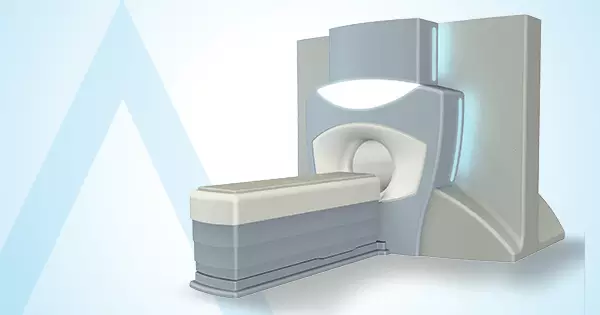




Breast cancer is a type of cancer in which cells in the breast tissue grow uncontrollably and develop into tumors. The most common symptoms of breast cancer include a lump in the breast or armpit, a change in breast shape, discharge from the nipple, and changes in breast skin such as redness or depression. The disease may develop under the influence of genetic and environmental factors. The most common types include Invasive Ductal Carcinoma (IDC) and Invasive Lobular Carcinoma (ILC). Methods such as mammography, ultrasound and biopsy are used for diagnosis. Treatment options for breast cancer include surgery, chemotherapy, radiotherapy, and targeted therapies. Early diagnosis can significantly increase survival.
What is Breast Cancer?
Breast cancer is a type of cancer that occurs when cells in the breast tissue grow uncontrollably. It usually begins in the milk glands (lobules) or milk ducts and may spread to surrounding tissues over time. Regular check-ups are of great importance for possible breast cancer cases, as early diagnosis increases treatment success.
Breast cancer is one of the most common types of cancer in women, but rarely it can occur in men. Factors such as genetic predisposition, hormonal factors and lifestyle play a role in the development of the disease. Breast cancer may not show symptoms in the early stages, but findings such as a breast lump, change in shape, and skin retraction should be carefully evaluated.
The earliest common symptoms of breast cancer, which occurs when cells in the breast grow and divide uncontrollably, forming a tissue mass called a tumor, are a visible new lump in the breast, thickening, and abnormal changes in breast size. Like other cancers, breast cancer can invade and spread to the tissue surrounding the breast, causing metastasis. Metastasis is the spread of cancer cells to different organs in the body.
Breast cancer, which is a cancer that can be treated if diagnosed early, is diagnosed through mammography and then the treatment process is started depending on the stage of the disease.
What are the Types of Breast Cancer?
In breast cancer cases determined by biopsy, the presence of certain types may be mentioned depending on the stage of the disease. As a result of pathological examinations, it is possible to divide these types into two groups: invasive and non-invasive.
Types of breast cancer vary significantly in terms of disease course and breast cancer mortality rate. Questions that include precise timing, such as symptoms associated with stage 2 breast cancer, vary depending on the type and spread of the cancer. Mammography and ultrasound images of the cancerous breast are helpful in determining the type and stage of the disease.
The main types of breast cancer are:
- Ductal Carcinoma in Situ (DCIS)
- Invasive Ductal Carcinoma (IDC)
- Lobular Carcinoma in Situ (LCIS)
- Invasive Lobular Carcinoma (ILC)
- Inflammatory Breast Cancer
- Metastatic Breast Cancer
Ductal Carcinoma in Situ (DCIS)
Ductal Carcinoma in Situ (DCIS) is an early-stage breast cancer that begins in the breast ducts and has not spread to surrounding tissues. Since this type of cancer is not invasive, if diagnosed early, the chance of complete recovery with treatment is quite high.
Invasive Ductal Carcinoma (IDC)
Invasive Ductal Carcinoma (IDC) is the most common type of breast cancer that begins in the breast ducts and can spread to surrounding breast tissue. Because IDC carries the risk of metastasis to lymph nodes and other organs over time, early diagnosis and treatment are of great importance.
Lobular Carcinoma in Situ (LCIS)
Lobular Carcinoma in Situ (LCIS) is characterized by abnormal cell growth that develops in the milk-producing lobules but does not spread to surrounding tissues. Although LCIS does not directly lead to cancer, it can increase the risk of breast cancer in the future and requires regular follow-up.
Invasive Lobular Carcinoma (ILC)
Invasive Lobular Carcinoma (ILC) is the second most common type of breast cancer that begins in the breast lobules and can spread to surrounding tissues. Unlike IDC, it can cause widespread tissue changes in the breast and can sometimes be difficult to detect with mammography.
Inflammatory Breast Cancer
Inflammatory Breast Cancer is an aggressive form of breast cancer that causes the breast skin to appear red, warm, and swollen. It causes inflammation-like symptoms by blocking the lymph vessels and requires early diagnosis and urgent treatment because it progresses rapidly.
Metastatic Breast Cancer
Metastatic breast cancer occurs when primary (first-developing) breast cancer spreads to distant organs such as the lymph nodes, bones, lungs, liver, or brain. Although it is considered an incurable stage, various treatment methods are available. With this, the progression of the disease can be slowed down and life expectancy can be extended.
What Causes Breast Cancer?
In breast cancer, cells grow abnormally and proliferate uncontrollably, leading to tumor formation. The causes of breast cancer are usually a combination of genetic and environmental factors. Factors such as being over 50 years of age, genetic factors, unhealthy diet, smoking, stress, obesity, exposure to chemicals and radiation are among the causes of breast cancer.
The causes of breast cancer can be listed as follows:
- Genetic factors (BRCA1 and BRCA2 gene mutations)
- Age (risk increases, especially after age 50)
- Unhealthy diet
- Smoking and alcohol consumption
- Environmental factors
- Stress
- Obesity
- Chemical and radiation exposure
Genetic predisposition
Genetic predisposition is one of the most common and known causes of breast cancer in women. If a person has a family history of breast cancer, their risk of developing the disease may increase. However, breast cancer cannot be explained entirely by genetic predisposition. BRCA1 and BRCA2 gene mutations are among the factors that explain breast cancer, especially in men. Although the rate of breast cancer in men is low, genetic predisposition is an important risk factor. Family history is one of the most important genetic factors that increase the risk of breast cancer.
Age Factor
Age is also an important factor in breast cancer treatment and staging. The incidence of breast cancer increases, especially in women over 50. In men, breast cancer usually occurs between the ages of 60 and 70.
Unhealthy Diet and Lifestyle
Lifestyle is among the factors that can influence the development of breast cancer. Obesity, alcohol use and a sedentary lifestyle, especially those caused by unhealthy nutrition, affect the development and course of cancer. Complaints such as pain radiating to the arm in the left breast or pain and burning in the right breast may be affected by lifestyle factors.
Chemical and Radiation Exposure
Radiation exposure and environmental toxins can cause detectable changes in the ultrasound and mammogram images of a cancerous breast. These factors also have an impact on breast cancer mortality rate. Advanced stage cancers, such as stage 4 breast cancer, are also particularly associated with the effects of environmental factors.
Smoking and alcohol consumption
Carcinogenic substances in tobacco and the harmful effects of alcohol can also trigger breast cancer. Smoking and alcohol consumption should be stopped as regular and excessive consumption increases the risk of breast cancer.
Caution should be exercised when pain or one-sided swelling in the left breast and back occurs due to these and similar reasons. If there is a lump in the breast and breast cancer is suspected, a doctor should be consulted immediately for early diagnosis without further concern. The mortality rate from breast cancer drops significantly when diagnosed early.
Because the risk of breast cancer increases with age, regular screening is recommended, especially for women over 40. In men, breast cancer usually occurs between the ages of 60 and 70.
Stages of Breast Cancer
There are significant differences between the symptoms of stage 1 and stage 4 breast cancer. The external appearance and ultrasound image of the cancerous breast vary depending on the stage. The success rate of treatment is high, especially in the early stages, because cancer cells do not spread throughout the body.
The stages of breast cancer are as follows:
- Stage 0 (Carcinoma in situ): Cancer cells have not spread. At this stage, the breast cancer mortality rate is very low and the chance of cure is high.
- Stage I: The tumor is smaller than 2 cm. There may be no concern about survival time in stage 1 and 2 breast cancer because treatment success is high.
- Stage II (A and B): The tumor has grown or spread to the lymph nodes. Symptoms such as pain radiating to the arm in the left breast or pain and burning in the right breast may be observed.
- Stage III (A, B and C): Stage 3 should be considered more seriously. The cancer has spread to the chest wall or skin. Pain in the left breast and back is common.
- Stage IV: The cancer has spread to distant organs and may cause possible pain in the breast.
Pathological Evaluation
Mammography images and biopsy results of the cancerous breast are important in determining the stage. These evaluations determine the treatment plan and life expectancy.
What are the Symptoms of Breast Cancer?
Symptoms include a new lump in the breast or armpit, thickening or swelling of part of the breast, irritation or dimpling of the breast skin, redness or flaking in the nipple area or on the breast, nipple retraction, or pain in the nipple.
Breast cancer can often be undetectable in its early stages. However, over time, symptoms such as a hard mass felt in the breast or armpit, changes in breast shape, and deterioration in skin texture may occur. For early diagnosis, it is very important to notice these changes and not to skip regular check-ups.
Symptoms of breast cancer include:
- A palpable lump in the breast or armpit
- Changes in breast size or shape
- Blood-tinged or clear discharge from the nipple
- Nipple sunkenness or deformity
- Redness, sores, crusting, or an orange-peel appearance on the skin and tip of the breast
- Swelling or enlarged lymph nodes in the armpit
- Breast pain or tenderness
- Unintentional weight loss or fatigue
Stage 4 breast cancer symptoms are more serious and include: a large, hard, and often painful lump in the breast or armpit, noticeable skin changes, bloody discharge, and inflammatory changes. At this stage, as the cancer spreads to other organs, systemic symptoms such as bone pain, shortness of breath, liver problems and constant fatigue are observed.
A palpable lump in the breast or armpit
The most common and characteristic symptom of breast cancer is a palpable lump in the breast or armpit. If a mass that does not appear normal is felt, it is necessary to consult a doctor.
Changes in breast size or shape
Abnormal changes in the size or shape of the breast are also among the symptoms of breast cancer. If these changes are visibly noticed, a doctor's check-up is important for early diagnosis.
Bloody or clear discharge from the nipple
Nipples are sensitive areas and may occasionally experience bleeding or discharge. However, abnormal bleeding and discharge may indicate breast cancer. It is still beneficial to see a doctor for a definitive diagnosis.
Nipple indentation or deformity
Nipple indentation or deformity are also considered early signs of breast cancer.
Redness, sores, crusting, or an orange-peel appearance may occur on the breast skin and tip
Redness, sores, crusting, or an orange-peel appearance may occur on the breast. These symptoms can also be considered as symptoms of breast cancer.
Swelling in the armpit or enlarged lymph nodes
In addition to the common symptoms in the chest area, breast cancer can also manifest as swelling in the armpit or enlarged lymph nodes. In such cases, breast cancer may be suspected. However, it is important to go to a healthcare facility and have a doctor's checkup for a definitive diagnosis.
Symptoms of Breast Cancer in Men
Symptoms of breast cancer in men are similar to those in women. The cause of breast cancer in men is usually genetic factors and hormonal imbalances. Breast cancer cases in men are generally seen between the ages of 60 and 70.
Where is the lump usually found in breast cancer?
In breast cancer, masses are most commonly seen in the upper outer quadrant of the breast (50-60%). This area is the part of the breast close to the collarbone and armpit. Stage 1 symptoms of breast cancer usually begin as a small, hard mass in this area. Masses in this area can be detected more clearly in the ultrasound image and mammography image of the cancerous breast.
Other common locations for breast cancer include:
- The upper inner breast (15%)
- The lower outer breast (10%)
- The lower inner breast (5%)
- The nipple and surrounding area (20%)
Pain radiating to the arm in the left breast or pain and burning in the right breast may occur, depending on the location of the mass. Breast cancer-related pain varies depending on the location and size of the mass.
Masses located in the upper outer quadrant, in particular, may spread early due to their proximity to the axillary lymph nodes. Therefore, regular control and early diagnosis of changes in this area are important.
How to Perform a Manual Breast Self-Exam?
Manual examination is critical for early diagnosis. A cancerous breast may appear normal, so a careful examination is essential. Particularly if there is pain radiating to the arm in the left breast or pain and burning in the right breast, these areas should be taken into consideration during the examination.
Follow these steps for a manual self-exam:
- Check the symmetry of the breasts in the mirror and look for possible lumps, depressions and color changes.
- Repeat the checks by raising the arms up.
- Check the right armpit with the 4 fingers of the left hand, excluding the thumb, and the left armpit with the fingers of the right hand.
- Gently feel the breast tissue with circular movements.
- Check the nipple and the area around it.
- Repeat the examination while lying on your back.
Signs of breast cancer can be detected during a physical examination. If pain is felt in the left breast and back, special attention should be paid to these areas. Regular manual examination can help detect early signs of stage 1 breast cancer.
How Is Breast Cancer Diagnosed?
Breast cancer is diagnosed through various imaging methods and tests. The ultrasound image and mammography image of the cancerous breast play an important role in detecting the presence of the disease. In summary, manual examination, ultrasound image and mammography image play a major role in diagnosing breast cancer.
The breast cancer diagnosis process includes the following steps:
Physical Examination
The doctor will perform a detailed examination, especially if there is pain radiating to the arm in the left breast or pain and burning in the right breast. Changes in the external appearance of the cancerous breast are noted.
Imaging Tests
Following the medical history and physical examination, imaging tests also provide important clues about cancer. The most commonly performed tests are:
- Mammography: Breast cancer screening can reveal signs of early-stage breast cancer.
- Ultrasonographic examination: Evaluates the structure of the masses.
- Light Scanning Method: Provides early diagnosis.
- MRI: Provides detailed tissue imaging.
- PET-CT: Evaluates the spread.
Laboratory tests
CA 15-3 test and other blood tests can indicate the presence or recurrence of breast cancer. These tests also help predict breast cancer mortality.
Biopsy
A sample of suspicious tissue is taken for a definitive diagnosis. The biopsy result provides important information about the course of the breast cancer, its structure, and whether it is nourished or not.
During the diagnosis process, symptoms of breast cancer in men are evaluated in a similar way. Pain or other complaints in the left breast and back are carefully examined, regardless of gender.
Genetic testing
Genetic testing explains a significant portion of the underlying causes of breast cancer. BRCA gene testing provides risk assessment for patients. The causes of breast cancer in men are often illuminated by these genetic tests. BRCA genes (breast cancer genes) are important in the following ways:
- They play a role in DNA repair.
- They have cancer-protective effects.
- Their mutations increase the risk of breast cancer.
- They can affect the rate of breast cancer in men.
Genetic testing results play a critical role in breast cancer mortality prediction and early prevention. Even if the test is positive, this does not mean that you will definitely have cancer, but regular check-ups and ultrasound imaging follow-up of the cancerous breast are important.
Those with a family history of breast cancer should undergo genetic testing, especially if they experience pain or other symptoms in the left breast or back.
Breast Cancer Treatment
Breast cancer treatment includes surgery, radiotherapy, chemotherapy, hormone therapy, and targeted therapies, depending on the stage. Surgery is crucial for removing cancer cells.
The main treatment options for breast cancer are:
- Surgical intervention
- Radiotherapy
- Chemotherapy
- Hormone therapy
- Targeted therapies
Breast cancer surgery
Mastectomy or breast-conserving surgery may be performed during breast cancer treatment. Particularly in patients with complaints of pain radiating to the arm in the left breast or pain and burning in the right breast, careful evaluation is made before breast cancer surgery. Ultrasound images and mammography images of the cancerous breast are important in surgical planning.
Who can undergo surgical treatment?
Breast-conserving surgery is generally preferred in patients with stage 1 breast cancer symptoms. In advanced-stage patients, such as stage 4 breast cancer, more extensive surgery may be required.
Symptoms such as pain in the left breast and back may affect the treatment process. Treatment success can be increased with early diagnosis and correct treatment planning. The breast cancer mortality rate can be significantly reduced with appropriate treatment.
Axillary Surgery
Axillary surgery is a significant factor affecting breast cancer mortality. Lymph node involvement should be carefully evaluated, especially in patients with pain radiating to the arm in the left breast or pain and burning in the right breast.
Sentinel lymph node biopsy (SLNB)
This procedure is preferred in patients who show signs of stage 1 breast cancer when evaluated in conjunction with the ultrasound and mammography images of the cancerous breast. This process helps in planning and treating cancer at an early stage.
Biopsy Technique
This procedure, which uses radioactive material or dye, is important for evaluating lymph node involvement in patients with left breast and back pain. A similar technique is used to treat breast cancer in men.
Axillary lymph node dissection
This procedure, performed in advanced-stage patients, is planned based on the appearance and extent of spread of the cancerous breast. This procedure, performed with minimal surgical technique, offers patient comfort and a simpler surgical procedure.
Post-surgical treatments
Chemotherapy, radiotherapy, hormone therapy, and targeted therapies may be administered after surgery. All these treatment methods are aimed at improving the quality of life. Although the rate of breast cancer in men is lower, similar treatment protocols are applied.
Surgical intervention and risk
Risk analysis is performed by evaluating the ultrasound and mammography images of the cancerous breast. Risk factors should be carefully evaluated in patients with complaints of pain radiating to the left arm or pain and burning in the right breast.
Risk Management
Managing risk factors is important to reduce breast cancer mortality. People who have complaints such as pain in the left breast and back should not neglect regular check-ups, especially if they have risk factors. Although the rate of breast cancer in men is low, men with risk factors should also have regular checkups.
What are the Ways to Prevent Breast Cancer?
The main ways to protect against breast cancer include regular mammography and ultrasound checks, regular manual examinations, a healthy diet, regular exercise, and quitting smoking and alcohol. As with all cancers, early diagnosis of breast cancer is life-saving. The national screening program, especially for breast cancer, provides protection for those with a history of cancer or risk. Preventive measures are vital to reduce breast cancer mortality. In addition to screening programs, self-care strategies for breast cancer prevention include:
- Regular mammograms and ultrasounds
- Monthly breast self-exams
- Healthy diet and ideal weight maintenance
- Regular physical activity
- Limiting alcohol consumption
- Quitting smoking
- Using hormone therapies under the supervision of a doctor
Regular checkups are important for detecting early changes in the appearance of the cancerous breast and ultrasound images. If you experience complaints such as pain radiating to the arm in the left breast or pain and burning in the right breast, you should consult a doctor immediately.
Frequently Asked Questions About Breast Cancer
What kind of disease is breast cancer?
Breast cancer is a tumor that occurs when cells in the breast tissue multiply uncontrollably. It usually begins in the milk ducts or mammary glands. The most common symptoms are a mass felt in the breast tissue and abnormal changes.
How does breast cancer develop?
Abnormal proliferation of cells as a result of DNA damage leads to breast cancer. Factors that lead to breast cancer include genetic factors, age factor, hormones, lifestyle, environmental factors and chemical exposure. These factors can trigger the development of breast cancer.
What are the symptoms of breast cancer?
The most characteristic symptom of breast cancer is a palpable, hard, and painless mass in the breast. In some cases, discharge, bleeding or deformity of the nipple may also be observed. Apart from these, swelling in the lymph nodes and armpits and inward collapse of the breast are also among the symptoms of breast cancer.
Where does pain occur in breast cancer?
There is usually no significant pain in breast cancer. However, in some cases, tenderness or discomfort may be felt in the area where the mass is located. However, pain may occur in advanced breast cancer.
How to detect breast cancer at home?
A person may notice a lump, hardness, or change in shape by performing a breast self-exam. Additionally, any dimpling, redness, or discharge from the breast skin should be noted.
What are the symptoms of breast cancer?
A palpable, hard, and fixed mass in the breast is the most common symptom. Nipple discharge, skin changes, dimpling, or swelling in the armpit may also occur.
Does breast cancer kill?
Breast cancer that is diagnosed early can usually be treated successfully. However, if breast cancer is detected at an advanced stage, it can shorten life expectancy and cause serious consequences.
At what age does breast cancer occur?
Breast cancer usually occurs after the age of 40. However, it can also occur at younger ages, especially if there is a genetic predisposition.
How is breast cancer detected?
Early diagnosis is possible with regular mammograms and medical examinations. Self-manual palpation is also important for awareness.
Does breast cancer cause pain?
Breast cancer is usually painless and therefore may not cause symptoms. However, some patients may experience pain or tenderness.
Does stage 3 breast cancer kill?
Stage 3 breast cancer is advanced and can be life-threatening if left untreated. However, long-term control can be achieved with appropriate treatment.
Is breast cancer genetic?
Yes, gene mutations such as BRCA1 and BRCA2 increase the risk of breast cancer. Genetic predisposition should be taken into consideration in people with a family history.
How many hours does breast cancer surgery take?
The duration of surgery varies depending on the size of the tumor and the scope of the procedure. Breast cancer surgery usually takes between 1 and 3 hours. However, the exact duration may vary depending on the stage of the cancer and the patient's condition.
Can breast cancer be detected in a blood test?
It is not possible to detect breast cancer directly with a blood test. Therefore, it is not possible to give an answer that breast cancer can be detected in a blood test, but some tumor markers can provide indirect information. Imaging and biopsy are required for definitive diagnosis.
Can breast cancer be detected on ultrasound?
Ultrasound is an effective method for evaluating the nature of breast lumps. However, for a definitive diagnosis, mammography and biopsy are usually also required. Although ultrasound is known as the most common diagnostic method, mammography and biopsy are also used for definitive diagnosis.
Can Stage 4 breast cancer be cured?
Stage 4 cancer has metastasized and is difficult to cure completely. However, with treatment, life expectancy can be extended and the person's quality of life can be improved.
Is there a cure for breast cancer?
There are many treatment options available for breast cancer, such as surgery, chemotherapy, radiotherapy, and hormone therapy. Early diagnosis has a high success rate for these treatments. However, the most important criterion is early diagnosis.
What are the symptoms to be considered for breast cancer diagnosis?
Symptoms to be aware of in the external appearance of cancerous breast include a breast lump, swelling, skin changes, nipple changes and discharge.
Do men get breast cancer?
Breast cancer can also occur in men, but the percentage of breast cancer cases in men is quite low compared to women. The rate of breast cancer in men accounts for approximately 1% of all cases.
Is breast cancer contagious?
Breast cancer is not contagious. Although there may be complaints such as pain in the left breast radiating to the arm or pain and burning in the right breast, these are not contagious.
Is breast cancer a genetic disease?
Breast cancer is not entirely genetic. The disease depends on many factors besides genetic factors. However, if there is a history of breast cancer in the family, the person should not neglect regular check-ups. Because these people have a higher risk of developing breast cancer.
What should be done for early diagnosis?
If you experience complaints such as pain in the left breast or back, you should consult a doctor immediately and have regular mammography and ultrasound checks.
When is breast cancer awareness month?
Breast cancer awareness month is held every year in October to promote early detection and treatment of breast cancer.
What causes a mass in the left breast?
The cause of a lump in the left breast may be hormonal fluctuations, benign tumors or breast cancer. For the most accurate information, consult a specialist.
What causes a mass in the right breast?
The cause of a mass in the right breast may be hormonal effects, cyst formation, infection or cancer cells. If a mass is palpable, immediate medical evaluation is necessary.
How can a lump be diagnosed?
Whether or not there is a lump in the breast can be determined by manual examination of the breast. This examination can also be done at home.
Does breast cancer occur on the right or left?
Breast cancer can develop in both the right and left breast. Regardless of which breast the cancer is in, the symptoms are similar.


Medical Technologies
Hospitals
-
![Adana Hospital]() Adana Hospital
Adana Hospital -
![Altunizade Hospital]() Altunizade Hospital
Altunizade Hospital -
![Atakent Hospital]() Atakent Hospital
Atakent Hospital -
![Ataşehir Hospital]() Ataşehir Hospital
Ataşehir Hospital -
![Bağdat Outpatient Clinic]() Bağdat Outpatient Clinic
Bağdat Outpatient Clinic -
![Bakırköy Hospital]() Bakırköy Hospital
Bakırköy Hospital -
![Bodrum Hospital]() Bodrum Hospital
Bodrum Hospital -
![Bursa Hospital]() Bursa Hospital
Bursa Hospital -
![Eskişehir Hospital]() Eskişehir Hospital
Eskişehir Hospital -
![Etiler Outpatient Clinic]() Etiler Outpatient Clinic
Etiler Outpatient Clinic -
![Fulya Hospital]() Fulya Hospital
Fulya Hospital -
![International Hospital]() International Hospital
International Hospital -
![Kadıköy (Dr. Şinasi Can) Hospital]() Kadıköy (Dr. Şinasi Can) Hospital
Kadıköy (Dr. Şinasi Can) Hospital -
![Kartal Hospital]() Kartal Hospital
Kartal Hospital -
![Kayseri Hospital]() Kayseri Hospital
Kayseri Hospital -
![Kozyatağı Hospital]() Kozyatağı Hospital
Kozyatağı Hospital -
![Maslak Hospital]() Maslak Hospital
Maslak Hospital