FOR INTERNATIONAL PATIENTS
















Prostate cancer is a type of cancer that occurs when cells in the prostate gland multiply uncontrollably. In advanced stages, it manifests itself with symptoms such as difficulty urinating, frequent urination, and bloody urine. The main causes of prostate cancer include genetic predisposition, aging, hormonal factors, and dietary habits. The most common symptoms of prostate cancer are difficulty urinating or inability to hold urine, frequent urination during the night, blood in the urine, and occasional erectile dysfunction. Symptoms may vary depending on the stage of the cancer.
What is Prostate Cancer?
Prostate cancer is a type of cancer caused by a malignant (malignant) tumor that forms when cells in the prostate gland, located in the male reproductive system, grow abnormally and uncontrollably. Prostate cancer usually progresses slowly and may not show any noticeable symptoms in its early stages. However, in advanced stages, symptoms such as difficulty urinating, frequent urination, blood in the urine, or pain during ejaculation may occur. Prostate cancer, which ranks second in cancer-related deaths, is the most common type of cancer in men.
The prostate is a walnut-sized gland located just below the bladder and in front of the rectum, as part of the male reproductive system. It plays an important role in reproductive function by producing fluid for sperm. Prostate cancer occurs when cells in this gland multiply uncontrollably due to genetic mutations and is often associated with advanced age, genetic predisposition, hormonal changes, and lifestyle factors. Due to its location, the prostate can affect the urinary tract as the cancer progresses.
Prostate cancer is the second most commonly diagnosed cancer in men worldwide after lung cancer, with approximately 1.47 million new cases reported in 2022. Its incidence varies regionally; it is high in Australia, Europe, North America, and parts of South America, and low in South and Central Asia and Sub-Saharan Africa. These differences are related to factors such as PSA test prevalence, genetic predispositions, and access to healthcare.
What Causes Prostate Cancer?
Prostate cancer occurs when cells in the prostate gland undergo genetic mutations and grow uncontrollably. Causes of prostate cancer include advanced age (especially over 50), a family history of prostate cancer, gene mutations such as BRCA1 and BRCA2, obesity, a calcium-rich diet, and high levels of hormones such as insulin-like growth factor-1 (IGF-1).
The causes of prostate cancer include the following:
- Genetic predisposition,
- Aging (age 50 and older),
- Family history of prostate cancer,
- Hormonal imbalances (especially high testosterone levels),
- An unbalanced and high-fat diet,
- Obesity,
- Lack of physical activity,
- Smoking and alcohol use,
- Exposure to environmental toxins,
- Racial factors (more common in men of African descent).
Age
The incidence of prostate cancer increases with age. Microscopic prostate cancer is detected in 50% of men over the age of 70 and in almost all men over the age of 90. The disease is less common in individuals under the age of 50. Therefore, prostate cancer screening is recommended for men over the age of 50 for early diagnosis.
Genetic factors
Studies have shown that approximately 15% of patients have a family history of prostate cancer. Certain gene groups responsible for the development of prostate cancer have been identified.
In addition, obesity and smoking are also among the identified risk factors for prostate cancer.
What are the stages of prostate cancer?
As with all types of cancer, staging is performed after diagnosis to determine the treatment for prostate cancer. Prostate cancer staging is performed using the TNM technique.
The TNM technique is an acronym. It stands for:
- T- Tumor: Refers to the size and location of the tumor.
- N- Lymph Node: Indicates the spread of cancer cells to lymph nodes and the lymphatic system.
- M- Distant Metastasis: Indicates the spread of cancer cells to distant organs and tissues.
Determining the stage of prostate cancer is very important in terms of applying the appropriate treatment and monitoring the course of the disease.
Stage 1
Considered the early stage of prostate cancer, the tumor is confined to the prostate. The tumor may be too small to be felt during a rectal exam, or it may be located only on the right or left side of the prostate gland, as determined by examination or imaging. There is no spread to the lymph nodes or other parts of the body. PSA levels may not be elevated in stage 1 prostate cancer.
Stage 2
In stage 2 prostate cancer, the tumor has advanced within the prostate tissue but has not yet spread outside the prostate. In this stage, the tumor can be detected by digital rectal exam or imaging methods such as magnetic resonance imaging (MRI). However, there is no spread to lymph nodes or other parts of the body (metastasis). Stage 2 prostate cancer is classified into three subtypes based on the Gleason score, which takes into account the aggressiveness and spread potential of the tumor:
- Stage 2A: The PSA level is between 10 and 19. The Gleason score is 6 or less. Cancer at this stage is usually slow-growing, and treatment options may include active surveillance or surgical intervention.
- Stage 2B: PSA value is below 20. Gleason score is determined as 3+4=7. This distribution in the Gleason score indicates that some of the cancer cells are more aggressive. Treatment usually involves surgical intervention, radiotherapy, or hormone therapy.
- Stage 2C: PSA value remains below 20. Gleason score is 4+3=7 or 8. The high Gleason score indicates that the cancer has a more aggressive structure. Treatment at this stage involves aggressive treatment protocols and usually combines surgery with radiotherapy.
Stage 3
In stage 3, the tumor may have spread beyond the prostate capsule and into tissues such as the seminal vesicle. There is no spread to lymph nodes or other parts of the body. However, the PSA level and Gleason score have begun to rise. This shows that the rate of spread of tumor tissues has increased. Stage 3 of prostate cancer is evaluated in three parts.
- Stage 3A: The cancer remains within the prostate and has not spread to other tissues. The PSA value is above 20. The Gleason score is 8 or higher. At this stage, the cancer has become more aggressive and treatment options include surgery, radiotherapy and hormone therapy.
- Stage 3B: Cancer has begun to spread beyond the prostate, but lymph nodes are not involved. PSA value is not taken into account at this stage. Gleason score is 8 and above. Because of this spread, more comprehensive methods such as hormone therapy and radiotherapy are used in the treatment plan.
- Stage 3C: The cancer has spread to tissues outside the prostate, but there is still no lymph node involvement. The Gleason score is 9 or 10. This high Gleason score indicates that the cancer is quite aggressive and tends to spread quickly. Treatment often involves aggressive combination therapies.
Stage 4
In Stage 4 prostate cancer, the tumor may have spread to tissues outside the prostate, including lymph nodes and distant organs. The fourth stage, which is the final advanced stage of prostate cancer, is divided into two categories.
- Stage 4A: The cancer has spread to nearby lymph nodes around the prostate. It may also spread to surrounding tissues. At this stage, treatment usually includes hormone therapy, radiotherapy, and surgery if necessary.
- Stage 4B: Cancer has metastasized to distant organs. Metastasis can occur as cancer involvement in distant lymph nodes, bones, or other organs. The aim of treatment at this stage is to control the cancer and improve the quality of life; Hormone therapy, chemotherapy and immunotherapy are among the frequently used methods.
What are the Symptoms of Prostate Cancer?
Prostate cancer presents with symptoms such as difficulty urinating, weak or interrupted urine stream, frequent nighttime urination, blood in the urine or semen, and painful or burning urination. In addition, erection problems, painful ejaculation, pain and stiffness in the back, hips or upper legs, and swelling in the lower extremities may occur.
Prostate cancer symptoms include:
- Difficulty starting to urinate or incontinence.
- Weak or interrupted urine flow.
- The need to urinate frequently during the night.
- Pain or burning sensation during urination.
- Blood in the urine.
- Erectile dysfunction (difficulty achieving or maintaining an erection).
- Painful ejaculation.
- Blood in the semen.
- Frequent pain or stiffness in the lower back, hips, or upper thighs.
- Swelling in the lower extremities.
Difficulty urinating or incontinence
Prostate cancer can affect the urinary tract and cause a range of symptoms. These symptoms include difficulty urinating, weak or interrupted urine flow, frequent nighttime urination, painful or burning urination, and blood in the urine. These symptoms are usually caused by the enlargement of the prostate, narrowing the urethra.
Blood in the Urine
Prostate cancer can also affect sexual function. Erectile dysfunction, painful ejaculation, and blood in the semen are common symptoms. These conditions can occur when the nerves or tissues surrounding the prostate are affected and negatively impact patients' quality of life.
Pain and stiffness in the back, hips, or upper legs
Prostate cancer can also affect other parts of the body, causing other symptoms. These symptoms include pain and stiffness in the back, hips, or upper legs, swelling in the lower extremities, fatigue, and general weakness. The spread of the cancer to surrounding tissues or distant organs may be the cause of these symptoms.
Prostate Cancer Diagnosis and Tests
Various tests are used for early diagnosis and staging of prostate cancer. In the first stage, prostate-specific antigen (PSA) test and rectal examination are the most commonly used methods. Abnormalities in the PSA level or an abnormal mass detected on physical examination may require further testing. For a definitive diagnosis, a biopsy is usually performed and the tissue samples are examined under a microscope. Additionally, imaging techniques such as magnetic resonance imaging (MRI), computed tomography (CT), bone scintigraphy, and PET scans, also known as MRI, may be used to assess the spread of cancer. The diagnostic process aims to clearly reveal the progression of the disease.
- Digital Rectal Examination (DRE): The physician checks the prostate with a finger through the rectum and detects abnormal growth or hardness.
- Prostate Specific Antigen (PSA) Test: Measuring the level of PSA in the blood. High PSA levels may be associated with prostate cancer.
- Magnetic Resonance Imaging (MRI): Used to provide detailed images of the prostate and evaluate possible abnormal areas.
- Transrectal Ultrasonography (TRUS): An ultrasound device inserted into the rectum is used to visualize the prostate and help take a biopsy if necessary.
- Prostate Biopsy: Confirming the presence of cancer cells through pathological examination of samples taken from prostate tissue.
- Advanced Imaging Techniques: Methods such as bone scintigraphy, computed tomography (CT), or positron emission tomography (PET) may be used to assess the spread of cancer.
- Genetic and Molecular Testing: In some cases, genetic testing may be done to understand the genetic characteristics of the cancer and determine treatment options.
While it is recommended that men with no family history of prostate cancer begin screening after age 50, it is recommended that those with a familial predisposition undergo screening at an earlier age. The main methods used for early diagnosis include digital rectal examination and blood test and Prostate Specific Antigen (PSA) measurement.
A digital rectal examination is done to evaluate whether there is an abnormal enlargement or hardening of the prostate gland, while a PSA test measures the level of a protein secreted by the prostate gland in the blood. A high PSA level may increase the risk of prostate cancer and may also indicate other prostate conditions.
Although these screening methods help detect prostate cancer in its early stages, not every high PSA level indicates the presence of cancer. False positive results may occur, and in some patients, PSA levels may remain normal despite the presence of cancer. Therefore, in suspicious cases, additional diagnostic methods such as biopsy may be necessary.
Evaluation of individual risk factors and regular follow-up during the diagnosis process are of great importance in the early diagnosis of cancer.
PSA Test and Prostate Examination
The PSA test helps detect prostate cancer early by measuring the level of Prostate-Specific Antigen (PSA) in the blood. Early diagnosis is of great importance in expanding treatment options and controlling cancer before it progresses.
However, PSA levels can increase not only due to cancer, but also for many reasons such as benign prostatic hyperplasia (BPH), prostatitis (inflammation of the prostate), sexual intercourse, prostate biopsy, rectal examination, urinary tract infections and catheterization. Therefore, high PSA values are not a definitive sign of the presence of cancer, and low PSA values do not completely exclude the risk of cancer.
Due to this uncertainty, the PSA test alone is not a sufficient diagnostic method and is supported by additional tests, such as a digital rectal examination. The prostate examination is performed to assess the presence of abnormal hardness or enlargement of the prostate gland. If prostate cancer is suspected after these examinations, additional diagnostic tests such as biopsy and imaging methods are performed. This comprehensive approach plays a critical role in creating an accurate diagnosis and appropriate treatment plan.
Multiparametric MRI
It is an imaging method that can support the diagnosis in patients with suspected prostate cancer. Cancerous cells and tissues have a different appearance from healthy tissues due to some features such as increased cell density and blood supply. In this way, they can be visualized with multiparametric MRI.
In addition, Multiparametric MRI can help determine whether the tumor has spread beyond the prostate capsule and whether there is any potential lymph node spread. Additionally, these MRI images can be used as a guide when performing a prostate biopsy on the patient.
Prostate Biopsy
In a prostate biopsy, samples are taken from different areas of the prostate. In a standard prostate biopsy, random samples are taken from the prostate using a special device inserted into the rectum under local anesthesia. Later, pathological examinations are conducted to see if there are cancer cells in these tissues. Prostate biopsy is used to diagnose prostate cancer and determine whether the tumor is rapidly and aggressively growing.
Standard Prostate Biopsy
A prostate biopsy is performed rectally using special ultrasound guidance and automated biopsy needles. Biopsy procedures performed in this way are generally performed under local anesthesia and do not require any hospitalization.
During this procedure, ultrasound guidance ensures that biopsies are taken from the desired areas. If the cause of the PSA elevation cannot be elucidated, if the PSA continues to rise, or if the prostate biopsy result is suspicious, repeat biopsy may be necessary.
MRI-Ultrasound Fusion Biopsy
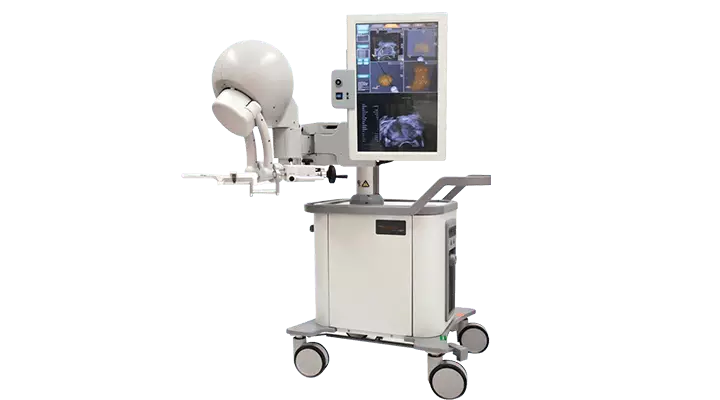
In this method, multiparametric MRI images previously taken by the patient are transferred to the ultrasound device used to perform the prostate biopsy, allowing the exact location of the tumor to be determined. In this way, instead of taking random samples as in classical biopsies, a biopsy is performed from a suspicious point with a targeted approach. Because the exact location of the tumor or suspicious spot can be found, it may be sufficient to take fewer samples with this method instead of taking many samples.
Fusion biopsy can be performed using two methods. One of these is the transperineal method, which is performed by entering through the skin in the perineal region. This method can be performed with general or local anesthesia.
The other method is the transrectal method, which is performed by entering through the rectum. This method can also be performed with local anesthesia.
What is the Gleason score?
Gleason score is a term that indicates the rate at which cancer cells multiply and spread. Gleason scoring is used to determine the aggressiveness of the cancer. Gleason score is not the same as cancer stage. While staging in prostate cancer is used to determine the current status of the cancer, the Gleason score is used to determine the rate of spread of the cancer. In other words, the Gleason score in prostate cancer provides information about the rate of progression of the disease.
Staging in prostate cancer is done using the TNM technique. The letter T represents the tumor, the letter N represents the lymph node, and the letter M represents distant metastases. While the current status of the cancer and how much area it has affected is determined by the TNM staging, the Gleason score determines how quickly the cancer will progress after this stage.
A high Gleason score indicates that cancer cells have a high rate of spread. A low Gleason score similarly indicates a low rate of cancer spread. Scores represent aggressiveness from 1 to 5. Gleason grades 1 and 2 are generally not seen; grades 3, 4, and 5 are used. The Gleason score is obtained by summing the aggressiveness of the two most frequently detected cellular patterns in the biopsy material. A total Gleason score of 6 indicates a relatively low progression and spread rate, while a total Gleason score of 10 indicates a high progression and spread rate. High Gleason scores are called high-risk tumors.
Similar to the Gleason score, the ISUP classification can also be used. This classification is scored from 1 to 5. 5 is used for the most aggressive prostate cancers that progress rapidly, while 1 is used for the slowest-growing prostate cancers. The physician evaluates the Gleason score, whether it is low or high, along with the stage of prostate cancer.
Prostate Cancer Treatment
In the early stages, treatments such as active surveillance, surgical intervention (prostatectomy), and radiation therapy are the most commonly preferred methods for prostate cancer. In advanced stages, hormonal therapy, chemotherapy, immunotherapy and targeted therapies can be applied. In some cases, more than one treatment method may be used in combination. The treatment plan is personalized to protect the patient's quality of life and the extent of cancer spread.
Prostate cancer treatment options include:
- Active Surveillance (Observation and Follow-Up): In cases of slowly progressing and low-risk prostate cancer, the disease is monitored with regular PSA tests and biopsies. It helps to avoid unnecessary treatments.
- Surgery (Radical Prostatectomy): It is the surgical removal of the prostate gland and surrounding tissues. It can be performed using open, laparoscopic or robotic surgery methods.
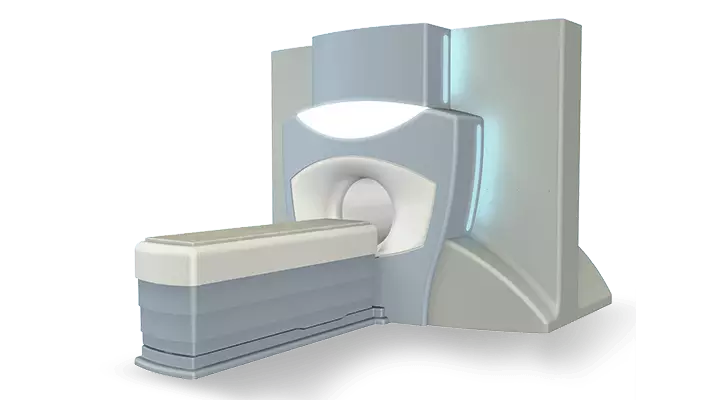
- Radiotherapy (Radiation Therapy): It is a treatment method that uses high-energy rays to destroy cancer cells. It can be applied externally (external radiotherapy) or internally (brachytherapy).
- Hormone Therapy (Androgen Suppression): This is administered through medication or surgical removal of the testicles (orchiectomy) to reduce the effect of the hormone testosterone on prostate cancer.
- Chemotherapy: In advanced prostate cancer, drug therapy is used to kill cancer cells or slow their growth. It is generally applied in cases resistant to hormone therapy.
- Targeted Therapies: This treatment uses drugs that specifically target cancer cells. For example, special treatments are available for patients with genetic mutations, such as PARP inhibitors.
- Immunotherapy: It is a treatment method that uses drugs that stimulate the immune system to fight against cancer cells. It can be tried especially in advanced stage patients.
Active Surveillance
Prostate cancer, which progresses slowly in the first stage, sometimes does not cause any symptoms or causes any complaints. At this stage, your doctor monitors the progression of the cancer with methods such as PSA value, rectal examination and ultrasound. At the same time, the risk of tumor spread (scoring) is evaluated.
The purpose of active surveillance is to closely monitor patients who are slowly progressing and are identified as low risk, so that they do not lose the chance for treatment when necessary. In this way, a group of patients is prevented from receiving unnecessary treatment.
Hormone Therapy
Since prostate tissue is sensitive to the male hormone testosterone, medications that block the effects of testosterone (antiandrogens) are used at this stage of the disease. This treatment is called hormonotherapy (hormone therapy). Hormone therapy aims to suppress testosterone levels, which trigger the growth of cancer cells.
Radiation Therapy
Radiation therapy is a method that uses high-energy rays to destroy tumor cells and is sometimes used as an alternative to surgery.
Chemotherapy
Chemotherapy aims to destroy cancer cells with drugs and is preferred in more advanced stages. Immunotherapy aims to be effective against cancer cells by strengthening the patient's immune system.
Bisphosphonate Therapy
Bisphosphonate therapy is used especially in cases where cancer has spread to the bones and helps prevent osteoporosis.
Surgeries
Prostate cancer surgeries include radical prostatectomy, which removes the entire prostate; laparoscopic prostatectomy, which is a less invasive procedure; and prostatectomy performed with precise robotic surgery. Additionally, pelvic lymph node dissection may be performed depending on the spread of the cancer.
- Radical Prostatectomy: It is a type of surgery in which the prostate gland, seminal vesicles and some surrounding tissues are completely removed. It can be performed using open, laparoscopic or robotic surgery methods.
- Open Radical Prostatectomy: This is the traditional surgical method in which the prostate is removed through incisions made in the lower abdomen (retropubic approach) or the perineum (perineal approach).
- Laparoscopic Prostatectomy: It is a minimally invasive type of surgery performed by making small incisions and using a camera and special surgical instruments.
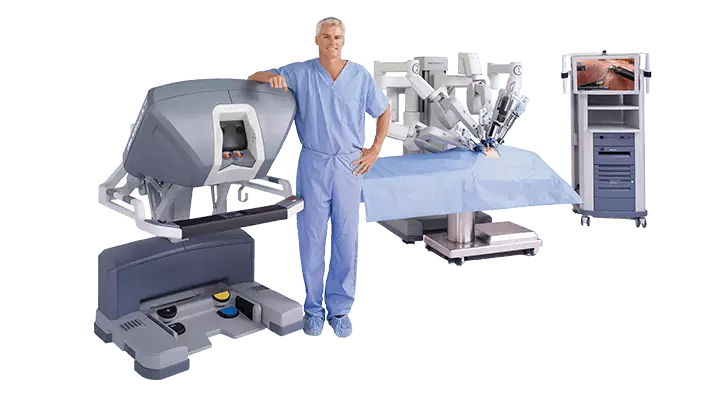
- Robotic (Da Vinci) Prostatectomy: It is a version of the laparoscopic method supported by a robotic surgical system. It offers more precise movement and faster recovery time.
- Pelvic Lymph Node Dissection: This is an additional surgical procedure performed to determine whether the cancer has spread to the lymph nodes.
- Transurethral Resection of the Prostate (TURP): Although it does not completely cure the cancer, it is a method used to relieve the flow of urine and relieve symptoms.
Medical Devices
Nanoknife
The nanoknife method has begun to be used in the treatment of small, low-risk prostate cancers, known as clinically insignificant tumors. This method, which is also used in some liver and pancreatic tumors, is also safely used in the treatment of prostate cancer.
In the nanoknife method, 3-4 special electrodes are placed around the tumor in the prostate with the help of ultrasound, and very high doses of short-term electric current are given to these electrodes one by one. An electromagnetic field is created in this region and cell wall permeability increases permanently. In this way, tumor cells lose their vitality. Since this method does not cause temperature changes in the tissues, it can also be applied to tumors close to nerves and the urethra (the tube-shaped structure that opens from the bladder to the outside and passes through the prostate).
Thulium Fiber Laser
The Thulium Fiber Laser is one of the methods used in the treatment of benign prostatic hyperplasia (benign prostatic hyperplasia). When the prostate gland enlarges and narrows the urethra, this enlarged tissue must be removed to allow the patient to urinate comfortably. Enucleation procedure performed with Thulium Laser aims to completely remove the prostate adenoma causing the obstruction. The laser energy precisely separates the tissue, minimizing bleeding. After the removed tissue is pushed into the bladder, it is cut into small pieces with a device called a morcellator and removed with vacuum. This method is frequently preferred due to its rapid recovery and long-term results.
da Vinci
Robotic surgery is a type of surgery performed by placing a robot called da Vinci appropriately on the patient and controlling the robot's arms using a control unit called a console. Its general principles are similar to laparoscopic surgery.
Thanks to the slim structure of the operating arms used in robotic surgery, their mobility, anti-vibration operating principle, and the advanced imaging systems of the robotic system, structures close to the prostate can be protected more easily during prostate surgery. This reduces the risk of complications during surgery, results in less blood loss, and shortens the duration of surgery.
Post-operative pain reduction, shorter recovery time, and a decrease in health problems that significantly affect social life, such as loss of sexual function and persistent urinary incontinence, are observed.
Frequently Asked Questions About Prostate Cancer
How is prostate cancer diagnosed?
Symptoms such as difficulty urinating, waking up frequently at night to urinate, decreased urine flow, accidental incontinence, pain in the pelvic area, blood in the urine, and muscle pain may indicate prostate cancer.
What are the symptoms of prostate cancer?
If you experience frequent urination or decreased urine flow, frequent nighttime urination, burning sensation during urination, pain in the affected area, or, in more advanced cases, blood in the urine, these may indicate prostate cancer. However, not every case where these symptoms are seen means prostate cancer.
Is it possible to treat prostate cancer other than surgery?
Treatment of prostate cancer can be arranged in the form of surgery, radiotherapy and hormonotherapy. The type of treatment is determined by taking into account the patient's conditions and general condition.
What is the most commonly used treatment method in prostate cancer cases today?
Nowadays, prostate cancer can be detected at an early stage with the increased use of screening tests. Surgery is the most commonly used treatment for early-stage (local) prostate cancer that has not spread to the surrounding area. If necessary, it can be combined with hormone therapy or radiotherapy.
What are the complications of robotic surgery for prostate cancer?
The anatomical location of the prostate tissue is very close to the structures that provide erection and urinary retention. For this reason, the most important complications of prostate surgery are postoperative erection loss and urinary incontinence.
What are the side effects of radiation therapy in prostate treatment?
The side effects of radiotherapy in prostate treatment usually occur not in the first days but in the following days and begin as the dose increases. These side effects do not always occur and may vary from person to person.