FOR INTERNATIONAL PATIENTS














What is Endocrinology and Metabolism?
Endocrinology is the medical branch that studies hormones, the chemical messengers that control body temperature, sleep, mood, stress, growth and more.
Endocrinology deals with the production of hormones by glands such as the pituitary, thyroid, pancreas, adrenal glands and gonads and the effects of these hormones on the body. Metabolism encompasses the biochemical processes that regulate the conversion of nutrients into energy, storage and use of energy. This branch focuses on the diagnosis, treatment and management of endocrine and metabolic disorders such as diabetes, thyroid diseases, osteoporosis, obesity and hormonal imbalance. Endocrinology and metabolism have an important place in ensuring the body's internal balance and energy management.
Endocrinology and metabolic diseases are common health problems affecting millions of people worldwide. Diabetes is the most common endocrine disorder, associated with elevated blood sugar levels due to problems with insulin production or use, and constitutes a serious global public health problem. Thyroid diseases such as hypothyroidism and hyperthyroidism affect energy metabolism, causing symptoms such as weight changes, fatigue, or irritability. Polycystic ovary syndrome (PCOS) is a common hormonal disorder among women and has significant effects on reproductive health. While less common, disorders such as Cushing's syndrome, Addison's disease, and acromegaly are caused by an imbalance of certain hormones, such as cortisol and growth hormone, and can lead to serious health problems.
What Does Endocrinology Look At?
Endocrinology and metabolism deals with diabetes, thyroid diseases, adrenal gland disorders, pituitary and growth hormone problems, calcium and bone metabolism (such as osteoporosis), obesity, polycystic ovary syndrome, and other hormonal imbalances. Additionally, management of lipid disorders such as cholesterol and triglyceride and energy balance disorders affected by metabolic processes are also included in this specialty. Endocrinology and metabolism focus on the healthy maintenance of vital functions regulated by hormones.
An endocrinologist is a doctor who diagnoses, treats and monitors diseases in the hormone-producing glands. Diagnoses conditions such as diabetes, thyroid diseases, osteoporosis, growth hormone deficiency and adrenal gland disorders, and evaluates hormonal imbalances through laboratory tests and imaging methods. Provides patients with individualized treatments, including medication, lifestyle changes, and surgical referral when necessary. It also aims to protect the health of patients and improve their quality of life by providing regular follow-up and guidance.
The duties of an endocrinologist are as follows:
- Diagnose and treat hormone-related diseases. Managing diabetes, thyroid diseases, osteoporosis, obesity and other endocrine system disorders.
- Using blood tests and imaging methods to evaluate patients' hormone levels.
- Performing or guiding diagnostic procedures such as thyroid ultrasound and biopsy.
- To evaluate whether endocrinological diseases require surgical intervention.
- Planning the appropriate use of insulin and other medications for diabetes management.
- Guiding patients about nutrition, exercise and lifestyle changes.
- Administering hormone replacement therapies (for example, to treat hypothyroidism, Addison's disease, or menopause).
- Working with multidisciplinary teams in the management of rare diseases such as pituitary and adrenal gland tumors.
- To determine appropriate treatment and preventive methods for bone diseases (osteoporosis, osteomalacia).
- To manage the diagnosis and treatment of hormone-related cancers (e.g., thyroid cancer).
- Monitoring the effectiveness of medication therapy and adjusting dosages as needed.
- Establishing regular follow-up programs for patients and providing long-term care.
Organs of Interest in the Endocrinology Department
Pituitary Gland
The pituitary gland, located at the base of the brain and controlled by the hypothalamus, is the master endocrine gland that regulates the body's hormonal balance. It consists of two main lobes: The anterior lobe secretes hormones such as thyroid-stimulating hormone (TSH), adrenocorticotropic hormone (ACTH), growth hormone (GH), luteinizing hormone (LH), and follicle-stimulating hormone (FSH). The posterior lobe controls the production of antidiuretic hormone (ADH) and oxytocin. Hormones secreted from the pituitary gland govern many critical physiological processes, including growth, metabolism, reproduction, fluid balance, and milk production.
Thyroid Gland
Located in the lower neck, just in front of the larynx, the thyroid gland resembles a butterfly in shape and plays a role in regulating metabolism. It secretes the hormones triiodothyronine (T3) and thyroxine (T4). These hormones control energy consumption at the cellular level, support nervous system development, and improve bone and muscle health. The thyroid gland ensures the balanced functioning of the body by regulating the general metabolic rate and body temperature.
Parathyroid Glands
The four small parathyroid glands, located behind the thyroid gland, are responsible for maintaining the balance of calcium and phosphorus in the body. Parathyroid hormone (PTH), produced by these glands, increases the release of calcium from bones, supports calcium absorption from the intestines, and ensures calcium reabsorption from the kidneys. A healthy calcium-phosphorus balance is vital for skeletal system development and helps prevent problems such as muscle spasms or kidney stones.
Pancreas
The pancreas is an organ located behind the stomach that has both endocrine and exocrine functions. The endocrine part regulates blood sugar levels by secreting hormones such as insulin and glucagon. Insulin lowers blood sugar while glucagon raises it, and a balance is maintained between these two hormones. The exocrine pancreas helps digest food by secreting digestive enzymes. The pancreas plays a central role in regulating sugar metabolism.
Adrenal Glands
The adrenal glands, also known as the adrenal glands, are located above the kidneys and consist of two main parts: the adrenal cortex and the adrenal medulla. The cortex produces mineralocorticoids (e.g., aldosterone), glucocorticoids (e.g., cortisol), and androgens, while the medulla secretes stress hormones such as adrenaline and norepinephrine. These hormones manage the stress response, regulate fluid-electrolyte balance, influence the immune system and keep blood pressure under control.
Reproductive Organs
The male and female reproductive organs are responsible for the production of various hormones that direct reproductive health and sexual development. In men, the testes secrete testosterone, a hormone that regulates sperm production, secondary sex characteristics, and sexual development. In women, the ovaries secrete estrogen and progesterone, which control the menstrual cycle, pregnancy processes, and secondary sex characteristics. The functions of the reproductive organs are closely related to general endocrine and metabolic health.
What are Endocrinology and Metabolic Diseases?
Diabetes is the most common endocrine disorder and is associated with elevated blood sugar levels due to problems with insulin production or use. Thyroid diseases such as hypothyroidism and hyperthyroidism affect energy metabolism, causing symptoms such as weight changes, fatigue, or irritability. Polycystic ovary syndrome (PCOS) is a common hormonal disorder among women and has significant effects on reproductive health. While less common, disorders such as Cushing's syndrome, Addison's disease, and acromegaly are caused by an imbalance of certain hormones, such as cortisol and growth hormone, and can lead to serious health problems.
Common endocrinology and metabolic disorders include:
- Diabetes.
- Hypothyroidism.
- Hyperthyroidism.
- Hashimoto's thyroiditis.
- Graves' disease.
- Cushing's syndrome.
- Addison's disease.
- Polycystic ovary syndrome (PCOS).
- Osteoporosis.
- Hyperparathyroidism.
- Hypoparathyroidism.
- Pheochromocytoma.
- Metabolic syndrome.
- Acromegaly.
- Prolactinoma.
- Pituitary tumors.
- Menopause and hormone imbalances.
- Vitamin D deficiency.
- Adrenal insufficiency.
- Insulin resistance.
What Diseases Do Endocrinology and Metabolism Treat?
Diseases studied by endocrinology include thyroid diseases, diabetes, adrenal gland diseases and pituitary gland diseases. The thyroid gland is located in the front of the neck and produces hormones that regulate metabolism. Hypothyroidism (underproduction of thyroid hormone) and hyperthyroidism (overproduction of thyroid hormone) are conditions that endocrinologists frequently encounter.
Diabetes occurs when the pancreas does not produce enough insulin or when the body cannot use insulin properly, causing blood sugar levels to rise uncontrollably. The adrenal glands are located above the kidneys and produce important hormones such as cortisol. Addison's disease (insufficient cortisol production) and Cushing's syndrome (excessive cortisol production) fall into this category. The pituitary gland is located at the base of the brain and plays a key role in the production of many hormones. Acromegaly (excessive production of growth hormone) and hypopituitarism (insufficient functioning of the pituitary gland) are diseases related to the pituitary gland.
Diabetes
Diabetes is a condition in which the body either produces insufficient amounts of insulin or cannot use it effectively. There are two subtypes of diabetes: Type 1 and Type 2. Diabetes, which can cause symptoms such as excessive thirst, frequent urination, blurred vision, weight loss, can lead to heart diseases and kidney diseases, nerve damage, skin infections, etc. if left untreated. If left untreated, it can lead to health problems such as heart disease and kidney disease, nerve damage, skin infections, and more.
Thyroid Diseases
Thyroid diseases are another health problem diagnosed and treated by endocrinologists. These diseases occur when the thyroid gland is overactive or underactive. Sometimes the formation of abnormal tissue masses in the structure of the gland itself can also cause various diseases. Commonly observed thyroid diseases are hypothyroidism, hyperthyroidism, nodule, Hashimoto thyroiditis and thyroid cancer.
Obesity
Obesity is a condition in which a person's weight is higher than normal for their age and height. Hormonal imbalances are one of the main factors that cause health problems, which can also be defined as excessive fat accumulation in the body. Therefore, endocrinologists also take responsibility in the diagnosis and treatment of this disease.
Obesity can lead to or co-occur with many long-term health problems. Type 2 diabetes, cardiovascular diseases, hypertension, respiratory problems and cancer are some of them.
Adrenal Diseases
Impairments in the function of the adrenal glands can lead to a series of health problems known as adrenal diseases. The first of such health problems, whose diagnosis and treatment processes are carried out by endocrinologists, is Addison’s disease, which occurs due to insufficient hormone production.
Excessive cortisol production can cause a condition called Cushing's syndrome. Other common adrenal diseases are congenital adrenal hyperplasia, pheochromocytoma, and hyperaldosteronism.
Gonadal Diseases
Gonadal diseases are among the health problems diagnosed and treated by the endocrinology department. Diseases in this group develop as a result of irregularities in the hormones produced and secreted in the gonads (sex glands).
Polycystic ovary syndrome, which can be frequently observed in women, is the ideal example of gonadal diseases. In men, low hormone levels can lead to hypogonadism, while high levels can lead to hypergonadism.
Parathyroid Diseases
Insufficient or excessive hormone secretion by the parathyroid glands can lead to various diseases. For example, if the glands secrete excessive hormones, a person may develop hyperparathyroidism. The opposite of this leads to a health problem called hypoparathyroidism.
Parathyroid adenoma is a benign tumor growth in the glands and is generally associated with hyperparathyroidism. In rare cases, malignant cancer cells may occur in the parathyroid glands.
Pituitary Diseases
When listing endocrinological diseases, health problems originating from the pituitary gland should not be forgotten. The failure of the pituitary gland, which is responsible for the production of many important hormones, to function optimally or damage to its frontal lobe triggers the development of hypopituitarism.
Excessive growth hormone secretion can result in acromegaly and gigantism. A sudden decrease in the hormones produced in the pituitary gland may lead to a hypopituitary crisis, and the formation of fluid-filled masses in the sac surrounding the gland during its development may lead to a Rathke's pouch cyst.
What are the Symptoms Seen in Endocrinology and Metabolic Diseases?
Common symptoms in endocrinology and metabolic diseases vary depending on the type and severity of hormone imbalances.
Common symptoms according to diseases are as follows:
- Diabetes: Frequent urination, excessive thirst, feeling of hunger, weight loss, tiredness and weakness, blurred vision, slow healing of wounds, numbness or tingling in the hands and feet.
- Hypothyroidism: Fatigue, cold sensitivity, weight gain, constipation, dry skin and hair loss, depression and forgetfulness, puffy face and bags under the eyes, muscle weakness.
- Hyperthyroidism: Heart palpitations, sensitivity to heat, excessive sweating, weight loss, irritability and restlessness, muscle weakness, tremors, prominent eyes (in Graves' disease).
- Polycystic Ovary Syndrome (PCOS): Menstrual irregularities, weight gain or obesity, increased hair growth (face and body), acne, hair loss (male pattern), infertility, signs of insulin resistance (fat around the abdomen).
- Cushing Syndrome: Roundness of the face (moon face), fat accumulation in the abdomen-back-neck ("buffalo hump"), muscle weakness, thinning of the skin and easy bruising, wounds that are difficult to heal, high blood pressure, bone weakness and risk of fracture.
- Addison's Disease: Fatigue, low blood pressure, weight loss, darkening of the skin (hyperpigmentation), abdominal pain and nausea, salt cravings, muscle weakness.
- Osteoporosis: Back and waist pain, loss of height, easy fractures in bones, posture disorder (hunched posture).
- Hyperparathyroidism: Bone pain, frequent urination, kidney stones, muscle weakness, depression and mood swings.
- Pheochromocytoma: High blood pressure attacks, headache, sweating, heart palpitations, feeling of anxiety and panic.
- Pituitary Tumors: Headache, loss or blurring of vision, fatigue and weakness, signs of hormonal imbalance (e.g., cessation of menstruation, loss of sexual desire).
- Thyroid Cancer or Nodules: Swelling in the neck, hoarseness, difficulty swallowing, shortness of breath, pain in the thyroid gland (rarely).
Diagnosis and Tests Performed in the Endocrinology and Metabolism Department
Diagnosis in the Endocrinology and Metabolism Department involves a comprehensive evaluation process to identify hormone imbalances and metabolic disorders. The diagnostic process usually begins with a detailed patient history, physical examination and laboratory tests, while radiological imaging and necessary measurement methods are also used.
Generally, diagnostic methods include:
Anamnesis
The first step in an endocrinology examination is to obtain as much detailed information as possible about the individual's medical history. The endocrinologist conducts this step by asking the patient various questions. These questions can help gather information from the patient on past health problems, family history of endocrine diseases, medication use, surgical history, and lifestyle habits.
Physical Examination
The second step, the physical examination, involves evaluating the patient's general health and symptoms related to the endocrine system. In this context, basic anthropometric measurements such as height, weight and blood pressure measurements are performed. In addition, the person's health problem is tried to be determined by focusing on some details such as changes in the skin, weight distribution in the body, etc.
Laboratory and Imaging Tests
To ensure a definitive diagnosis, various laboratory and imaging tests are performed following a physical examination. This stage of the process may include studies such as a thyroid ultrasound, magnetic resonance imaging (MRI), or computed tomography (CT). Measuring hormone levels and blood sugar, as well as thyroid function tests, are other methods that may be used in the third step of the examination process.
Additional Examinations Based on the Patient's Symptoms and Findings
During the endocrinology examination, additional examinations may be necessary based on the patient's symptoms, imaging studies, and test findings. For example, measuring thyroid hormone levels in a patient with weight gain and fatigue may not be sufficient to reach a conclusion.
Diagnosis and Treatment Plan
The patient's diagnosis is determined based on the results obtained during the examination. Following diagnosis, a treatment plan is quickly developed. The treatment process for endocrinological diseases is carried out with hormone regulating drugs. The doctor may also recommend dietary and lifestyle changes. Depending on the type of disease, more comprehensive methods such as hormone replacement therapy or surgery may also be used.
Treatment Options in the Endocrinology and Metabolism Department
Treatment in the Endocrinology and Metabolism Department takes an individualized approach to correcting hormone imbalances and metabolic disorders. Treatment usually includes medication, lifestyle changes, and surgery when necessary, depending on the underlying disease. For example, insulin or oral antidiabetic drugs are used in the treatment of diabetes, thyroxine hormone replacement is used for hypothyroidism, and drugs that suppress hormone production or radioactive iodine therapy are used for hyperthyroidism. While hormone-regulating medications and lifestyle changes are recommended for polycystic ovary syndrome, surgical treatment may be necessary for conditions such as Cushing's syndrome or acromegaly. In addition, nutritional regulation, physical activity and regular monitoring of the patient are important elements that increase the effectiveness of the treatment. The aim of treating endocrine and metabolic diseases is to improve the patient's quality of life and prevent complications by normalizing hormone levels.
What You Need to Know About the Endocrinology Examination Process
An endocrinology examination is performed after a patient presents with various complaints. Depending on the individual's symptoms and the doctor's initial opinion, different steps may be taken in this process. For example:
- The examination begins with obtaining information such as the individual's medical history, symptoms, family endocrinological history, and medications used. Detailed information is collected, particularly regarding the duration, severity, and changes in symptoms.
- During the examination, basic measurements such as height, weight, blood pressure, and pulse are taken, as well as specialized examinations such as skin condition, eye appearance, neck structure, and abdominal examination.
- One of the most important steps in the examination process is checking the thyroid gland. The process of evaluating the size, shape and consistency of the thyroid gland is done by palpation (manual examination).
- Conditions such as hyperthyroidism can cause significant changes in the eyes. Therefore, in such cases, an ophthalmological examination may be necessary.
- In some cases, a neurological examination may be needed to evaluate the functions of the pituitary gland.
- Genital examination may be performed if there are complaints related to gonadal hormones or if conditions such as polycystic ovary syndrome are suspected.
Frequently Asked Questions About Endocrinology and Metabolism
What are endocrinology and metabolic diseases?
Thyroid disorders, diabetes, insulin resistance, metabolic syndrome, obesity, osteoporosis, polycystic ovary syndrome and hormone-producing tumors fall into this group. These diseases develop due to hormone imbalances and metabolic problems.
How are thyroid diseases diagnosed?
Symptoms such as swelling in the neck area, palpitations, weight changes, irritability, hair loss and weakness are observed. Diagnosis is made by TSH, free T3-T4 tests and thyroid ultrasound.
What is metabolic syndrome, and what are its symptoms?
Metabolic syndrome is the co-occurrence of abdominal obesity, high blood pressure, high blood sugar and abnormal lipid levels. It is a condition that increases the risk of heart disease and diabetes.
How is insulin resistance treated?
The first step in treatment is lifestyle changes; healthy eating, weight control and regular exercise.
Does polycystic ovary syndrome cause infertility?
Yes, PCOS can lead to female infertility because it affects ovulation. However, with appropriate treatment, the chance of pregnancy can increase.
Who is more likely to experience osteoporosis?
Postmenopausal women, the elderly, those with vitamin D deficiency, and individuals with a family history of osteoporosis are at risk. Additionally, a sedentary lifestyle and calcium deficiency also increase the risk.
What does high cortisol mean?
High cortisol levels are often caused by Cushing's syndrome, stress, tumors, or steroid medication use. It manifests itself with symptoms such as fat accumulation around the waist, hypertension and muscle weakness.
What tests are done for endocrine diseases?
TSH, cortisol, insulin, DHEA-S, prolactin, PTH, OGTT, HbA1c, lipid panel and hormone stimulation tests are commonly used. Imaging and bone density measurements may also be required during the diagnostic process.
When should you visit an endocrinologist?
If there are sudden weight changes, menstrual irregularities, neck swelling, hair growth on the skin, extreme fatigue or blood sugar problems, an endocrinologist should be consulted. Additionally, evaluation is required when abnormalities are detected in hormone tests.


Doctors
-
![Prof. DENİZ GÖKALP, M.D.]() Prof. DENİZ GÖKALP, M.D.
Endocrinology
Prof. DENİZ GÖKALP, M.D.
Endocrinology
 Book an Appointment
-
![Prof. EKREM ALGÜN, M.D.]() Prof. EKREM ALGÜN, M.D.
Endocrinology
Book an Appointment
Prof. EKREM ALGÜN, M.D.
Endocrinology
Book an Appointment
-
![Prof. EMRE BOZKIRLI, M.D.]() Prof. EMRE BOZKIRLI, M.D.
Endocrinology
Book an Appointment
Prof. EMRE BOZKIRLI, M.D.
Endocrinology
Book an Appointment
-
![Prof. ENDER ARIKAN, M.D.]() Prof. ENDER ARIKAN, M.D.
Endocrinology
Book an Appointment
Prof. ENDER ARIKAN, M.D.
Endocrinology
Book an Appointment
-
![Prof. İNAN ANAFOROĞLU, M.D.]() Prof. İNAN ANAFOROĞLU, M.D.
Endocrinology
Book an Appointment
Prof. İNAN ANAFOROĞLU, M.D.
Endocrinology
Book an Appointment
-
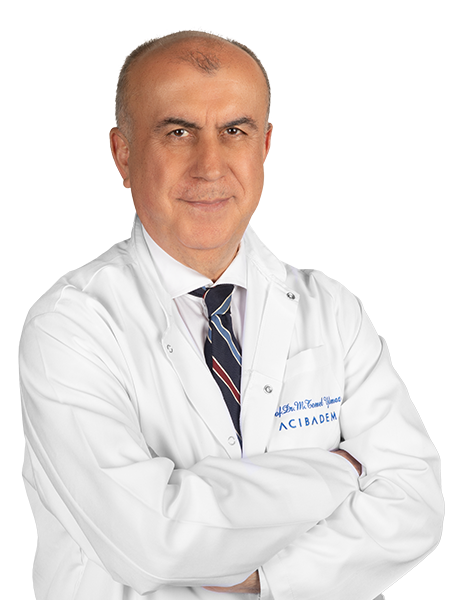
![Prof. MEHMET TEMEL YILMAZ, M.D.]() Prof. MEHMET TEMEL YILMAZ, M.D.
Endocrinology
Book an Appointment
Prof. MEHMET TEMEL YILMAZ, M.D.
Endocrinology
Book an Appointment
-
![Prof. MEHTAP ÇAKIR, M.D.]() Prof. MEHTAP ÇAKIR, M.D.
Endocrinology
Book an Appointment
Prof. MEHTAP ÇAKIR, M.D.
Endocrinology
Book an Appointment
-
![Prof. MİTAT BAHÇECİ, M.D.]() Prof. MİTAT BAHÇECİ, M.D.
Endocrinology
Book an Appointment
Prof. MİTAT BAHÇECİ, M.D.
Endocrinology
Book an Appointment
-
![Prof. NESLİHAN KURTULMUŞ, M.D.]() Prof. NESLİHAN KURTULMUŞ, M.D.
Endocrinology
Book an Appointment
Prof. NESLİHAN KURTULMUŞ, M.D.
Endocrinology
Book an Appointment
-
![Prof. ÖZLEM ÇELİK, M.D.]() Prof. ÖZLEM ÇELİK, M.D.
Endocrinology
Book an Appointment
Prof. ÖZLEM ÇELİK, M.D.
Endocrinology
Book an Appointment
-
![Prof. RÜŞTÜ SERTER, M.D.]() Prof. RÜŞTÜ SERTER, M.D.
Endocrinology
Book an Appointment
Prof. RÜŞTÜ SERTER, M.D.
Endocrinology
Book an Appointment
-
![Assoc. Prof. AYŞENUR ÖZDERYA, M.D.]() Assoc. Prof. AYŞENUR ÖZDERYA, M.D.
Endocrinology
Book an Appointment
Assoc. Prof. AYŞENUR ÖZDERYA, M.D.
Endocrinology
Book an Appointment
-
![Assoc. Prof. ESRA NUR ADEMOĞLU DİLEKÇİ, M.D.]() Assoc. Prof. ESRA NUR ADEMOĞLU DİLEKÇİ, M.D.
Endocrinology
Book an Appointment
Assoc. Prof. ESRA NUR ADEMOĞLU DİLEKÇİ, M.D.
Endocrinology
Book an Appointment
-
![Assoc. Prof. MÜJDAT KARA, M.D.]() Assoc. Prof. MÜJDAT KARA, M.D.
Endocrinology
Book an Appointment
Assoc. Prof. MÜJDAT KARA, M.D.
Endocrinology
Book an Appointment
-
![Assoc. Prof. OĞUZ KAAN ÜNAL, M.D.]() Assoc. Prof. OĞUZ KAAN ÜNAL, M.D.
Endocrinology
Book an Appointment
Assoc. Prof. OĞUZ KAAN ÜNAL, M.D.
Endocrinology
Book an Appointment
-
![Assoc. Prof. SEHER TANRIKULU, M.D.]() Assoc. Prof. SEHER TANRIKULU, M.D.
Endocrinology
Book an Appointment
Assoc. Prof. SEHER TANRIKULU, M.D.
Endocrinology
Book an Appointment
-
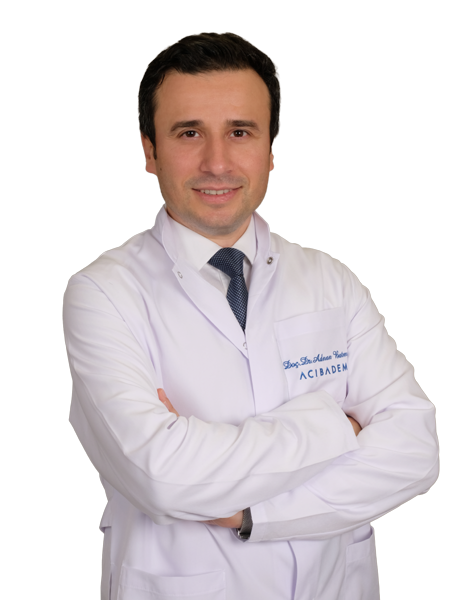
![Assoc. Prof. ADNAN BATMAN (G), M.D.]() Assoc. Prof. ADNAN BATMAN (G), M.D.
Endocrinology
Book an Appointment
Assoc. Prof. ADNAN BATMAN (G), M.D.
Endocrinology
Book an Appointment
-
![Assoc. Prof. SİNAN KIRIM (G), M.D.]() Assoc. Prof. SİNAN KIRIM (G), M.D.
Endocrinology
Book an Appointment
Assoc. Prof. SİNAN KIRIM (G), M.D.
Endocrinology
Book an Appointment
-
![Assoc. Prof. TUĞÇE APAYDIN (G), M.D.]() Assoc. Prof. TUĞÇE APAYDIN (G), M.D.
Endocrinology
Book an Appointment
Assoc. Prof. TUĞÇE APAYDIN (G), M.D.
Endocrinology
Book an Appointment
-
![ESRA KARAKAŞ, M.D.]() ESRA KARAKAŞ, M.D.
Endocrinology
Book an Appointment
ESRA KARAKAŞ, M.D.
Endocrinology
Book an Appointment












Hospitals
-
![Adana Hospital]() Adana Hospital
Adana Hospital -
![Altunizade Hospital]() Altunizade Hospital
Altunizade Hospital -
![Atakent Hospital]() Atakent Hospital
Atakent Hospital -
![Ataşehir Hospital]() Ataşehir Hospital
Ataşehir Hospital -
![Ataşehir Outpatient Clinic]() Ataşehir Outpatient Clinic
Ataşehir Outpatient Clinic -
![Bahçeşehir Outpatient Clinic]() Bahçeşehir Outpatient Clinic
Bahçeşehir Outpatient Clinic -
![Bakırköy Hospital]() Bakırköy Hospital
Bakırköy Hospital -
![Bursa Hospital]() Bursa Hospital
Bursa Hospital -
![Eskişehir Hospital]() Eskişehir Hospital
Eskişehir Hospital -
![Fulya Hospital]() Fulya Hospital
Fulya Hospital -
![International Hospital]() International Hospital
International Hospital -
![İzmir Kent Hospital]() İzmir Kent Hospital
İzmir Kent Hospital -
![Kadıköy (Dr. Şinasi Can) Hospital]() Kadıköy (Dr. Şinasi Can) Hospital
Kadıköy (Dr. Şinasi Can) Hospital -
![Kartal Hospital]() Kartal Hospital
Kartal Hospital -
![Kayseri Hospital]() Kayseri Hospital
Kayseri Hospital -
![Kozyatağı Hospital]() Kozyatağı Hospital
Kozyatağı Hospital -
![Maslak Hospital]() Maslak Hospital
Maslak Hospital -
![Zekeriyaköy Outpatient Clinic]() Zekeriyaköy Outpatient Clinic
Zekeriyaköy Outpatient Clinic