FOR INTERNATIONAL PATIENTS














About Service
Oncology, derived from the Greek word "onkos" meaning tumor or mass, is a medical discipline that focuses on diagnosing, treating, and preventing cancerous cells in organs, tissues, muscles, and bones. Medical oncology is a medical discipline that provides treatment for cancer through drugs and plays an important role in the fight against cancer. This field of expertise develops personalized treatment plans using chemotherapy, immunotherapy or targeted smart drugs, based on the type and stage of the disease and the patient's overall health. Medical oncology departments are not limited to treatment alone; they also play an active role in developing cancer prevention strategies, developing screening methods necessary for early diagnosis, and raising cancer awareness in society.
What is Oncology?
Oncology is the medical specialty responsible for the prevention, diagnosis, staging and treatment of cancer in organs and tissues. The Oncology department stands out as a comprehensive medical discipline that covers the causes of cancer, formation mechanisms, diagnostic processes, treatment methods and prevention strategies. By examining the biological and molecular structure of cancer, it analyzes in depth the mechanisms of uncontrolled proliferation and spread of cells. Through analysis, it determines the relationship between cancer and genetic and environmental factors, explains how different types develop, and develops the most effective treatment methods according to the unique biological characteristics of each patient.
The oncology department is divided into three main sub-branches: medical oncology, radiation oncology and surgical oncology. Medical oncology prevents or destroys cancer cells from multiplying through drug treatments such as chemotherapy and immunotherapy.
Radiation oncology uses radiotherapy to target cancer cells with high-energy rays, killing them or inhibiting their growth. Surgical oncology, on the other hand, focuses on the surgical removal of cancerous tissues and tumors, aiming to prevent the spread of the disease and improve quality of life.
What is Medical Oncology?
Medical oncology is a specialty that manages the diagnosis, staging, treatment and follow-up of cancer through methods such as chemotherapy, immunotherapy, targeted therapies and hormone therapy. Medical oncologists working in the medical oncology department use methods such as chemotherapy, immunotherapy, targeted therapies and hormone therapy in the treatment of cancer. They also assess the patient's overall health and personalize the treatment plan based on the patient's needs.
Medical oncology collaborates with other specialties, such as surgery and radiation oncology, to take a multidisciplinary approach and aim to improve the quality of life of cancer patients.
Unlike the cancer (oncology) department, it focuses on drug-based methods in cancer treatment and offers systemic approaches such as chemotherapy, immunotherapy, targeted therapies and hormone therapy.
While the oncology department generally focuses on localized treatments such as surgical interventions and radiotherapy, medical oncology plays an important role in controlling the disease by targeting cancer cells that have spread throughout the body, especially in metastatic or advanced-stage cancers. As an integral part of a multidisciplinary treatment plan, medical oncology aims to prolong patients' lives and improve their quality of life.
Fields of Study in the Oncology Department
The oncology department is divided into three areas: medical oncology, radiation oncology, and surgical oncology. These departments can be described as follows:
Medical Oncology
The medical oncology department uses drug treatments such as chemotherapy and immunotherapy to prevent or destroy cancer cells from multiplying.
Radiation oncology
Radiation oncology uses radiotherapy methods to target cancer cells and kill them or inhibit their growth using high-energy rays.
Surgical Oncology
The surgical oncology department focuses on the surgical removal of cancerous tissues and tumors, aiming to prevent the spread of the disease and improve quality of life.
What Diseases Does Oncology Treat?
Medical oncology is the specialty that provides medical treatment for cancer. It manages the treatment process of cancer patients with methods such as chemotherapy, immunotherapy, hormone therapy and targeted therapies. They also plan the follow-up, supportive treatment and palliative care processes of patients.
The types of cancer dealt with in the Oncology department are as follows:
- Lung cancer
- Stomach cancer
- Breast cancer
- Thyroid cancer
- Prostate cancer
- Colon cancer
- Uterine cancer
- Bladder cancer
- Leukemia
- Kidney cancer
- Skin cancer
- Gallbladder cancers
Medical oncologists working in the oncology department fulfill the following responsibilities:
- Playing a role in cancer diagnosis
- Planning treatment
- Preparing the patient for treatment
- Managing the treatment process
- Following up and monitoring
- Providing supportive care
Treatment Options in the Oncology Department
Treatment options in the medical oncology department are personalized based on the type and stage of cancer, and the patient's overall health, and generally include drug-based methods such as chemotherapy, immunotherapy, targeted therapies, and hormone therapy.
While chemotherapy aims to destroy cancer cells, immunotherapy fights cancer by strengthening the immune system. Targeted therapies target specific molecules in cancer cells, providing more specific treatment.
Hormone therapy aims to stop the growth of cancer cells by blocking the effects of hormones in hormone-sensitive cancers. Additionally, improving the quality of life of patients and minimizing treatment-related side effects through palliative care and supportive treatments is also an important part of this department.
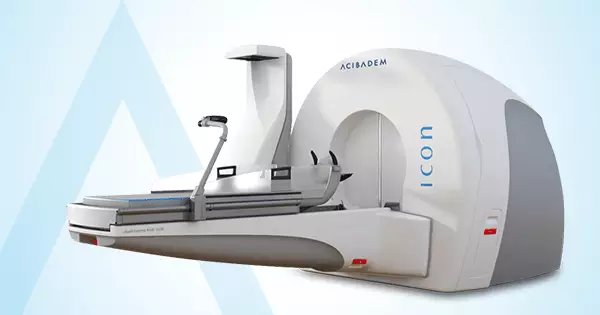
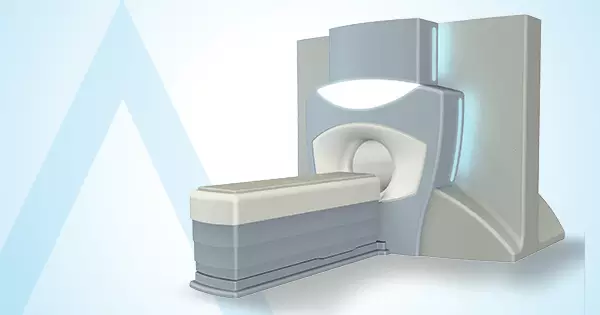
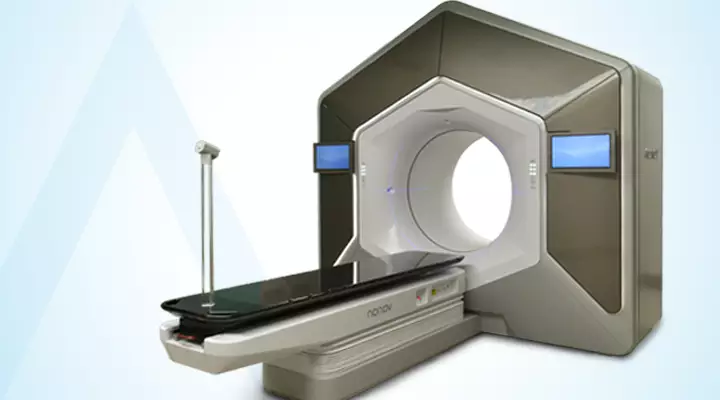
Drug therapy may be used to treat active and clinically detected cancer. It can be used as the sole medical oncology treatment to eliminate disease that is not easily detected in early-stage cancers, or as an adjuvant in addition to surgery or radiation therapy. By making personalized planning, the artificial intelligence supported Ethos device can be preferred.
The treatment methods applied for the types of cancer discussed in the medical oncology department are as follows:
- Chemotherapy
- Hormone therapy
- Biological therapy
- Immunotherapy
- Targeted therapy
Chemotherapy
Chemotherapy generally refers to the treatment of tumors with chemical preparations. Along with surgery and radiotherapy, chemotherapy is one of the main methods of tumor treatment. It is prescribed according to the tumor type, taking into account the patient's individual characteristics. It targets rapidly dividing cells within the tumor and can interfere with DNA structure or cell division. For some tumor types, chemotherapy is the only possible treatment. Some cancers require the simultaneous or sequential use of radiotherapy and chemotherapy, while others may require chemotherapy sessions before and after surgery.
Chemotherapy is usually administered by injection or infusion, but sometimes in tablet or capsule form. It can be given regularly as an outpatient treatment, or patients may require hospitalization. Depending on the treatment, the frequency of chemotherapy can range from weekly to four weeks. Most treatments last between four and six months.
Hormone Therapy
The body produces different types of hormones to control the function of certain cells. Hormones include estrogen, progesterone, cortisol, insulin, and adrenaline. Some cancers require hormones to grow. Hormone therapy slows or stops cancer cell growth in hormone-sensitive cancers by blocking or eliminating hormones.
Hormone therapy is used to treat various cancers, including breast, endometrial, adrenal, and prostate. Hormone therapy can be taken orally or by injection.
Biological therapy
Biological therapies attempt to destroy cancer cells by indirectly attacking them through the immune system or by directly attacking them. The treatment can be administered by injection, infusion, or tablet. Monoclonal antibodies, angiogenesis inhibitors, and cell growth inhibitors are all examples of biological therapies. Because the drug targets a very specific area, traditional systemic effects, such as a weakened immune system, are avoided.
Immunotherapy
Cancer cells can sometimes evade a person's immune system and remain undetected. Immunotherapy strengthens the body's natural defenses to recognize and fight cancer cells. It includes treatments that target certain types of leukemia and lymphoma.
Targeted Therapy
Molecules such as antibodies, cytokines, and kinase inhibitors are designed to attack weak spots specific to cancer cells compared to the rest of the body. Drugs used in targeted therapy can assist the immune system in destroying the cancer.
Things to know about the Oncology Department
- Care: The Oncology Hospital employs a multidisciplinary team, including medical oncologists and other specialists. This team works collaboratively to provide comprehensive care to cancer patients.
- Diagnosis: The Oncology Department utilizes advanced diagnostic tools and technologies to accurately diagnose the type and stage of cancer. Imaging methods such as CT, MRI, PET scans, and biopsies are utilized.
- Treatment: Treatment is planned according to each patient's specific cancer type and stage. These may include chemotherapy, radiation therapy, oncology surgery, immunotherapy, targeted therapy, hormone therapy, stem cell transplantation, and palliative care
- Clinical Trials: Through clinical trials, the oncology department can offer patients access to innovative treatments and therapies that are not yet widely available. Participation in clinical trials can provide patients with advanced care opportunities and contribute to advances in cancer research.
- Support: Cancer treatment can be a difficult process for patients and their families, both physically and psychologically. The oncology department may provide counseling to help patients cope with the challenges of cancer treatment. A variety of support services may be provided, including support groups, nutritional guidance, pain management, and symptom control.
- Follow-up: The oncology department continues to monitor patients after treatment to manage potential relapse. Follow-up may include regular checkups, imaging scans, blood tests, and other monitoring procedures.
Frequently Asked Questions About Oncology
What does oncology mean?
Oncology is a medical specialty that attempts to diagnose and prevent cancer, aims to inhibit its growth, and treats cancerous cells using treatment methods such as chemotherapy, immunotherapy, radiotherapy, and smart drugs.
How is an oncology examination performed?
Following the complaints and symptoms, the person comes to the oncology department and firstly, their complaints and the symptoms they are experiencing are listened to. Some tests may be requested after the physical examination by the doctor for later analysis. These tests include diagnostic methods such as blood tests, x-rays, CT scan, MRI, and ultrasound. Additionally, if cancer is suspected, a tissue sample may be taken for examination. This is also known as a biopsy.
Why go to an oncology?
Oncology deals with the diagnosis, prevention and treatment of cancer. People consult an oncologist when they experience symptoms and complaints related to cancer. Detailed examinations are performed in the oncology department.
What does an oncologist examine?
Oncology means the science of cancer and deals with the diagnosis and treatment of cancer. In addition, studies are also conducted to prevent cancer. If a definitive diagnosis of cancer is made, treatments such as chemotherapy, immunotherapy and targeted therapy are used.


Doctors
-
![Prof. ABDULLAH BÜYÜKÇELİK, M.D.]() Prof. ABDULLAH BÜYÜKÇELİK, M.D.
Medical Oncology
Prof. ABDULLAH BÜYÜKÇELİK, M.D.
Medical Oncology
 Book an Appointment
-
![Prof. ALİ ARICAN, M.D.]() Prof. ALİ ARICAN, M.D.
Medical Oncology
Book an Appointment
Prof. ALİ ARICAN, M.D.
Medical Oncology
Book an Appointment
-
![Prof. AZİZ YAZAR, M.D.]() Prof. AZİZ YAZAR, M.D.
Medical Oncology
Book an Appointment
Prof. AZİZ YAZAR, M.D.
Medical Oncology
Book an Appointment
-
![Prof. BAŞAK OYAN ULUÇ, M.D.]() Prof. BAŞAK OYAN ULUÇ, M.D.
Medical Oncology
Book an Appointment
Prof. BAŞAK OYAN ULUÇ, M.D.
Medical Oncology
Book an Appointment
-
![Prof. BÜLENT ORHAN, M.D.]() Prof. BÜLENT ORHAN, M.D.
Medical Oncology
Book an Appointment
Prof. BÜLENT ORHAN, M.D.
Medical Oncology
Book an Appointment
-
![Prof. BÜLENT KARABULUT, M.D.]() Prof. BÜLENT KARABULUT, M.D.
Medical Oncology
Book an Appointment
Prof. BÜLENT KARABULUT, M.D.
Medical Oncology
Book an Appointment
-
![Prof. ERSİN ÖZASLAN, M.D.]() Prof. ERSİN ÖZASLAN, M.D.
Medical Oncology
Book an Appointment
Prof. ERSİN ÖZASLAN, M.D.
Medical Oncology
Book an Appointment
-
![Prof. ERTUĞRUL SEYREK, M.D.]() Prof. ERTUĞRUL SEYREK, M.D.
Medical Oncology
Book an Appointment
Prof. ERTUĞRUL SEYREK, M.D.
Medical Oncology
Book an Appointment
-
![Prof. FAYSAL DANE, M.D.]() Prof. FAYSAL DANE, M.D.
Medical Oncology
Book an Appointment
Prof. FAYSAL DANE, M.D.
Medical Oncology
Book an Appointment
-
![Prof. GÖKHAN DEMİR, M.D.]() Prof. GÖKHAN DEMİR, M.D.
Medical Oncology
Book an Appointment
Prof. GÖKHAN DEMİR, M.D.
Medical Oncology
Book an Appointment
-
![Prof. GÜL BAŞARAN, M.D.]() Prof. GÜL BAŞARAN, M.D.
Medical Oncology
Book an Appointment
Prof. GÜL BAŞARAN, M.D.
Medical Oncology
Book an Appointment
-
![Prof. HANDAN ONUR TOPUZLU, M.D.]() Prof. HANDAN ONUR TOPUZLU, M.D.
Medical Oncology
Book an Appointment
Prof. HANDAN ONUR TOPUZLU, M.D.
Medical Oncology
Book an Appointment
-
![Prof. HÜSEYİN ENGİN, M.D.]() Prof. HÜSEYİN ENGİN, M.D.
Medical Oncology
Book an Appointment
Prof. HÜSEYİN ENGİN, M.D.
Medical Oncology
Book an Appointment
-
![Prof. İBRAHİM YILDIZ, M.D.]() Prof. İBRAHİM YILDIZ, M.D.
Medical Oncology
Book an Appointment
Prof. İBRAHİM YILDIZ, M.D.
Medical Oncology
Book an Appointment
-
![Prof. ÖMER FATİH ÖLMEZ, M.D.]() Prof. ÖMER FATİH ÖLMEZ, M.D.
Medical Oncology
Book an Appointment
Prof. ÖMER FATİH ÖLMEZ, M.D.
Medical Oncology
Book an Appointment
-
![Prof. ÖZGE GÜMÜŞAY, M.D.]() Prof. ÖZGE GÜMÜŞAY, M.D.
Medical Oncology
Book an Appointment
Prof. ÖZGE GÜMÜŞAY, M.D.
Medical Oncology
Book an Appointment
-
![Prof. ÖZKAN KANAT, M.D.]() Prof. ÖZKAN KANAT, M.D.
Medical Oncology
Book an Appointment
Prof. ÖZKAN KANAT, M.D.
Medical Oncology
Book an Appointment
-
![Prof. ÖZLEM ER, M.D.]() Prof. ÖZLEM ER, M.D.
Medical Oncology
Book an Appointment
Prof. ÖZLEM ER, M.D.
Medical Oncology
Book an Appointment
-
![Prof. ÖZLEM SÖNMEZ, M.D.]() Prof. ÖZLEM SÖNMEZ, M.D.
Medical Oncology
Book an Appointment
Prof. ÖZLEM SÖNMEZ, M.D.
Medical Oncology
Book an Appointment
-
![Prof. SALİM BAŞOL TEKİN, M.D.]() Prof. SALİM BAŞOL TEKİN, M.D.
Medical Oncology
Book an Appointment
Prof. SALİM BAŞOL TEKİN, M.D.
Medical Oncology
Book an Appointment
-
![Prof. SİNAN YAVUZ, M.D.]() Prof. SİNAN YAVUZ, M.D.
Medical Oncology
Book an Appointment
Prof. SİNAN YAVUZ, M.D.
Medical Oncology
Book an Appointment
-
![Prof. TANER KORKMAZ, M.D.]() Prof. TANER KORKMAZ, M.D.
Medical Oncology
Book an Appointment
Prof. TANER KORKMAZ, M.D.
Medical Oncology
Book an Appointment
-
![Prof. TÜRKAN ÖZTÜRK TOPCU, M.D.]() Prof. TÜRKAN ÖZTÜRK TOPCU, M.D.
Medical Oncology
Book an Appointment
Prof. TÜRKAN ÖZTÜRK TOPCU, M.D.
Medical Oncology
Book an Appointment
-
![Prof. YEŞİM ERALP, M.D.]() Prof. YEŞİM ERALP, M.D.
Medical Oncology
Book an Appointment
Prof. YEŞİM ERALP, M.D.
Medical Oncology
Book an Appointment
-
![Prof. ZÜLEYHA ÇALIKUŞU, M.D.]() Prof. ZÜLEYHA ÇALIKUŞU, M.D.
Medical Oncology
Book an Appointment
Prof. ZÜLEYHA ÇALIKUŞU, M.D.
Medical Oncology
Book an Appointment
-
![Assoc. Prof. AHMET ÖZVEREN, M.D.]() Assoc. Prof. AHMET ÖZVEREN, M.D.
Medical Oncology
Book an Appointment
Assoc. Prof. AHMET ÖZVEREN, M.D.
Medical Oncology
Book an Appointment
-
![Assoc. Prof. ELİF ŞENOCAK TAŞÇI, M.D.]() Assoc. Prof. ELİF ŞENOCAK TAŞÇI, M.D.
Medical Oncology
Book an Appointment
Assoc. Prof. ELİF ŞENOCAK TAŞÇI, M.D.
Medical Oncology
Book an Appointment
-
![Assoc. Prof. GÜRBÜZ GÖRÜMLÜ, M.D.]() Assoc. Prof. GÜRBÜZ GÖRÜMLÜ, M.D.
Medical Oncology
Book an Appointment
Assoc. Prof. GÜRBÜZ GÖRÜMLÜ, M.D.
Medical Oncology
Book an Appointment
-
![Assoc. Prof. HASAN ÜSTÜN, M.D.]() Assoc. Prof. HASAN ÜSTÜN, M.D.
Medical Oncology
Book an Appointment
Assoc. Prof. HASAN ÜSTÜN, M.D.
Medical Oncology
Book an Appointment
-
![Assoc. Prof. HATİCE YILMAZ, M.D.]() Assoc. Prof. HATİCE YILMAZ, M.D.
Medical Oncology
Book an Appointment
Assoc. Prof. HATİCE YILMAZ, M.D.
Medical Oncology
Book an Appointment
-
![Assoc. Prof. HİLMİ KODAZ, M.D.]() Assoc. Prof. HİLMİ KODAZ, M.D.
Medical Oncology
Book an Appointment
Assoc. Prof. HİLMİ KODAZ, M.D.
Medical Oncology
Book an Appointment
-
![Assoc. Prof. İZZET DOĞAN, M.D.]() Assoc. Prof. İZZET DOĞAN, M.D.
Medical Oncology
Book an Appointment
Assoc. Prof. İZZET DOĞAN, M.D.
Medical Oncology
Book an Appointment
-
![Assoc. Prof. ŞAFAK YILDIRIM DİŞLİ, M.D.]() Assoc. Prof. ŞAFAK YILDIRIM DİŞLİ, M.D.
Medical Oncology
Book an Appointment
Assoc. Prof. ŞAFAK YILDIRIM DİŞLİ, M.D.
Medical Oncology
Book an Appointment
-
![Assoc. Prof. SEMİHA URVAY, M.D.]() Assoc. Prof. SEMİHA URVAY, M.D.
Medical Oncology
Book an Appointment
Assoc. Prof. SEMİHA URVAY, M.D.
Medical Oncology
Book an Appointment
-
![Assoc. Prof. SÜLEYMAN ŞAHİN, M.D.]() Assoc. Prof. SÜLEYMAN ŞAHİN, M.D.
Medical Oncology
Book an Appointment
Assoc. Prof. SÜLEYMAN ŞAHİN, M.D.
Medical Oncology
Book an Appointment
-
![Assoc. Prof. UMUT DİŞEL, M.D.]() Assoc. Prof. UMUT DİŞEL, M.D.
Medical Oncology
Book an Appointment
Assoc. Prof. UMUT DİŞEL, M.D.
Medical Oncology
Book an Appointment
-
![Assoc. Prof. YUSUF KARAKAŞ, M.D.]() Assoc. Prof. YUSUF KARAKAŞ, M.D.
Medical Oncology
Book an Appointment
Assoc. Prof. YUSUF KARAKAŞ, M.D.
Medical Oncology
Book an Appointment
-
![ALPER SONKAYA, M.D.]() ALPER SONKAYA, M.D.
Medical Oncology
Book an Appointment
ALPER SONKAYA, M.D.
Medical Oncology
Book an Appointment
-
![AYNUR EKEN, M.D.]() AYNUR EKEN, M.D.
Medical Oncology
Book an Appointment
AYNUR EKEN, M.D.
Medical Oncology
Book an Appointment
-
![BAYARMAA KHİSHİGSUREN, M.D.]() BAYARMAA KHİSHİGSUREN, M.D.
Medical Oncology
Book an Appointment
BAYARMAA KHİSHİGSUREN, M.D.
Medical Oncology
Book an Appointment
-
![GÜLHAN İPEK DENİZ, M.D.]() GÜLHAN İPEK DENİZ, M.D.
Medical Oncology
Book an Appointment
GÜLHAN İPEK DENİZ, M.D.
Medical Oncology
Book an Appointment
-
![MEHMET TEOMETE, M.D.]() MEHMET TEOMETE, M.D.
Medical Oncology
Book an Appointment
MEHMET TEOMETE, M.D.
Medical Oncology
Book an Appointment
-
![Assoc. Prof. MURAD GULIYEV, M.D.]() Assoc. Prof. MURAD GULIYEV, M.D.
Medical Oncology
Book an Appointment
Assoc. Prof. MURAD GULIYEV, M.D.
Medical Oncology
Book an Appointment
-
![MUSTAFA BOZKURT, M.D.]() MUSTAFA BOZKURT, M.D.
Medical Oncology
Book an Appointment
MUSTAFA BOZKURT, M.D.
Medical Oncology
Book an Appointment
-
![ORÇUN CAN, M.D.]() ORÇUN CAN, M.D.
Medical Oncology
Book an Appointment
ORÇUN CAN, M.D.
Medical Oncology
Book an Appointment
-
![OSMAN BÜTÜN, M.D.]() OSMAN BÜTÜN, M.D.
Medical Oncology
Book an Appointment
OSMAN BÜTÜN, M.D.
Medical Oncology
Book an Appointment
-
![ZUHAL BAŞKAN, M.D.]() ZUHAL BAŞKAN, M.D.
Medical Oncology
Book an Appointment
ZUHAL BAŞKAN, M.D.
Medical Oncology
Book an Appointment






Medical Technologies

Hospitals
-
![Adana Hospital]() Adana Hospital
Adana Hospital -
![Altunizade Hospital]() Altunizade Hospital
Altunizade Hospital -
![Atakent Hospital]() Atakent Hospital
Atakent Hospital -
![Ataşehir Hospital]() Ataşehir Hospital
Ataşehir Hospital -
![Bakırköy Hospital]() Bakırköy Hospital
Bakırköy Hospital -
![Bodrum Hospital]() Bodrum Hospital
Bodrum Hospital -
![Bursa Hospital]() Bursa Hospital
Bursa Hospital -
![Eskişehir Hospital]() Eskişehir Hospital
Eskişehir Hospital -
![Fulya Hospital]() Fulya Hospital
Fulya Hospital -
![International Hospital]() International Hospital
International Hospital -
![İzmir Kent Hospital]() İzmir Kent Hospital
İzmir Kent Hospital -
![Kayseri Hospital]() Kayseri Hospital
Kayseri Hospital -
![Maslak Hospital]() Maslak Hospital
Maslak Hospital -
![Taksim Hospital]() Taksim Hospital
Taksim Hospital