FOR INTERNATIONAL PATIENTS












What is Cardiovascular Surgery (CVS)?
Cardiovascular surgery, or CVS for short, is a medical branch that involves detailed tests and procedures used to diagnose and treat diseases of the heart and blood vessels. Many diseases such as heart valve diseases, vascular occlusions, heart failure and congenital heart diseases fall under the scope of CVS.
This branch of surgery, abbreviated as KVC in the medical literature, plays a vital role in the treatment of cardiovascular diseases. It offers a wide range of interventions, from open heart surgeries to vascular repairs.
Cardiovascular surgeons perform coronary artery bypass surgery to clear blockages in the coronary arteries. This procedure helps the heart maintain adequate blood flow and improves the quality of life of patients.
In cases of heart valve diseases, heart valve surgery is performed to repair or replace damaged valves. This surgery is crucial to ensure the heart functions efficiently.
A heart transplant may be considered as a last resort for patients with advanced heart failure. This procedure offers the patient a new chance at life if a suitable donor heart is found.
What Diseases Does Cardiovascular Surgery (CVS) Treat?
Cardiovascular surgery plays an important role in the diagnosis and treatment of many diseases affecting the cardiovascular system. Congenital or acquired heart diseases, vascular occlusions and circulatory disorders are the main health problems that this branch deals with.
You can review the disease groups treated by cardiovascular surgery in the table below:
Coronary Artery Diseases
Coronary artery disease develops as a result of narrowing or blockage of the arteries that feed the heart. If left untreated, it increases the risk of heart attack. In the treatment of this disease, imaging methods such as CT angiography are used and surgical interventions are performed when necessary.
Valvular Heart Diseases
Conditions involving heart valve problems such as stenosis or insufficiency. In advanced cases, heart valve surgery may be required. With this surgery, damaged valves are repaired or replaced with artificial valves.
Electrical disturbances that cause the heart to beat too fast, too slow, or irregularly. Treatment options include medication, ablation, and in some cases, a pacemaker.
Aneurysms and Aortic Diseases
An aortic aneurysm occurs when the main artery becomes abnormally enlarged and carries the risk of rupture. In such cases, aneurysm surgery is performed to strengthen the vascular wall.
Varicose Veins and Venous Insufficiency
Blood circulation is disrupted due to inadequate functioning of the valves in the veins. Varicose vein treatment is performed using methods such as intravenous laser and radiofrequency. In advanced cases, varicose vein surgery may be required.
Peripheral Vascular Diseases
Circulatory disorders that develop due to narrowing or blockage of the arteries in the legs or arms. This disease is often associated with arteriosclerosis and can lead to limb loss as it progresses.
Carotid Artery Diseases
The risk of stroke increases when there is narrowing or blockage in the carotid arteries that supply the brain. Carotid surgery reduces the risk of stroke by clearing these vessels.
Congenital Heart Diseases
This includes heart diseases that develop in the womb and are present at birth. While some congenital heart diseases require surgical intervention, others can be kept under control with regular follow-up and medication.
What are the Symptoms of Cardiovascular Diseases?
Cardiovascular diseases can be treated and controlled when detected early. However, many people underestimate the symptoms or confuse them with other conditions, so diagnosis can be delayed. Heart disease often progresses slowly, and symptoms can worsen over time.
Conditions such as vascular occlusions, heart rhythm disorders, heart valve diseases or circulatory disorders can manifest themselves with various physical symptoms.
Symptoms of cardiovascular diseases include:
- Chest Pain
- Shortness of Breath
- Palpitations
- Leg Swelling
- Dizziness and Fainting
Chest Pain
Chest pain is one of the most common symptoms of heart disease and should be taken seriously. It may be a sign of coronary artery disease, heart attack, and other heart conditions. It may present as a feeling of tightness, pressure, or burning in the chest and can sometimes radiate to the left arm, jaw, back, or stomach.
Chest pain, especially if it worsens during physical exertion, climbing stairs, or stress, may be a sign that the heart is not getting enough oxygen. Chest pain that does not go away with rest, lasts longer than 10 minutes, or is accompanied by additional symptoms such as sweating, nausea, and shortness of breath may be a sign of a heart attack. In this case, a health institution should be consulted without delay.
Shortness of Breath
Shortness of breath can develop due to fluid accumulation in the lungs as a result of the heart's inability to pump enough blood. This condition may be associated with heart failure, valvular diseases requiring heart valve surgery, or vascular blockages.
Patients often have difficulty breathing, and the feeling of shortness of breath increases when lying down or exerting effort. If you feel difficulty climbing stairs, walking, or lying down, this may indicate heart failure. A doctor should be consulted in cases of shortness of breath that persists for a long time and worsens especially at night.
Palpitations
Palpitations are a symptom felt when the heart beats irregularly or faster than normal. It can be caused by temporary causes such as stress, caffeine consumption, or physical activity, or it can be a sign of serious underlying heart arrhythmias.
Some patients experience palpitations with sudden heart rate increases, while others experience irregular heartbeats. Treatment options such as a pacemaker may be necessary, especially if accompanied by additional symptoms such as dizziness, fainting, chest pain, or shortness of breath. If palpitations occur frequently or persist for a long time, a doctor should be consulted.
Leg Swelling
Swelling in the legs, ankles, and sometimes the abdomen can be a sign of fluid retention. When the heart cannot pump enough blood, fluid can leak into the tissues, causing edema. Peripheral vascular disease, venous insufficiency, and vascular occlusions can also cause leg swelling.
Patients may have difficulty removing their shoes at the end of the day or may feel a sense of heaviness in their legs. Swelling, especially if it increases after sitting or standing for long periods, may indicate a vascular health problem. If symptoms such as pain, discoloration, or increased warmth in the legs are also present, varicose vein treatment or other vascular interventions may be necessary.
Dizziness and Fainting
Dizziness and fainting can occur when the heart is unable to pump enough blood to the brain. Low blood pressure, heart rhythm disturbances, heart failure and vascular occlusions are among the common causes of these symptoms.
When a blockage develops in the carotid arteries, blood flow to the brain can be reduced, increasing the risk of transient ischemic attacks or stroke. Carotid surgery is a treatment method used when stenosis of the carotid arteries is detected and can help reduce the risk of stroke. If dizziness recurs frequently, fainting occurs or loss of consciousness occurs, a cardiologist should be consulted without delay.
What are the Diagnostic Methods in Cardiovascular Surgery?
Accurate diagnosis of cardiovascular diseases is of great importance for determining the appropriate treatment plan. Various imaging and testing methods are used in cardiovascular surgery, depending on the type and severity of the disease. These diagnostic methods help evaluate vascular occlusions, heart valve diseases, heart muscle functions and circulatory disorders.
The main diagnostic methods used in cardiovascular surgery are:
- Angiography
- Echocardiography (ECHO)
- CT Angiography
- MRI Angiography
- Doppler Ultrasonography
Angiography
Angiography is an imaging method used to examine the internal structure of blood vessels. Contrast material is injected into the vessels with the help of a thin catheter and the condition of the vessels is evaluated with an X-ray device. It is one of the most commonly used methods in detecting vascular occlusions such as coronary artery disease.
Echocardiography (ECHO)
Echocardiography is a test that uses ultrasound waves to visualize the structure and functions of the heart. It is used in the evaluation of heart valve diseases, heart muscle problems and congenital heart diseases. Echocardiography may be performed for detailed analysis of valve functions before heart valve surgery.
CT Angiography
CT angiography is a vascular imaging test performed using computed tomography (CT). Cross-sectional images of the vessels are taken using contrast material and conditions such as vascular occlusions, aneurysms or arteriosclerosis are evaluated. This method is particularly helpful in examining the coronary arteries in detail.
MRI Angiography
MRI angiography is a method that allows detailed examination of blood vessels using magnetic resonance imaging (MRI) technology. It is used in the diagnosis of diseases such as aortic aneurysm and vascular stenosis. The biggest benefit of this method is that it does not involve radiation and can visualize soft tissues in detail.
Doppler Ultrasonography
Doppler ultrasonography is an ultrasound method used to evaluate blood flow velocity and vascular occlusions. It helps to examine the vascular structures in detail before peripheral vascular diseases, varicose vein treatment and carotid surgery. This method is frequently used in the diagnosis of vascular problems, especially in the legs.
What are the Cardiovascular Surgery Treatment Methods?
In cardiovascular surgery, different treatment methods are applied depending on the type of disease and the general health status of the patient. These treatments may include advanced surgery such as opening blocked arteries, repairing or replacing heart valves, repairing aneurysms, or even heart transplantation. With the development of technology, less invasive methods such as minimally invasive surgery and robotic heart surgery have become widespread.
The main treatment methods used in cardiovascular surgery are:
Coronary Bypass Surgery
Coronary bypass surgery is a surgical procedure performed to restore blood flow to the heart by replacing blocked or narrowed coronary arteries with healthy arteries. It is usually administered to patients with advanced coronary artery disease and helps prevent heart attacks.
Heart Valve Surgeries
Conditions such as stenosis or insufficiency in the heart valves can prevent the heart from functioning efficiently. Heart valve surgery involves repairing damaged valves or replacing them with biological or mechanical valves. Thanks to this surgery, patients' heart functions can return to normal.
Aneurysm Surgery
Aneurysm surgery is performed to prevent rupture of ballooning (aneurysms) that form in the vessel wall. Aortic aneurysm, in particular, is a life-threatening condition and may require surgical intervention. During this operation, the weakened vein area is repaired or replaced with an artificial vein graft.
Heart Transplantation
Heart transplantation is a last resort for patients with advanced heart failure who have not responded to other treatment options. A healthy heart from a suitable donor is transplanted into the patient's body, increasing the length and quality of life. After the transplant, lifelong medication is required to prevent the immune system from rejecting the organ.
Pacemaker Implantation
Some heart rhythm disorders can prevent the heart from beating sufficiently strongly or regularly. A pacemaker is a device used to regulate the heart's rhythm and bring the heartbeat to a normal level by sending electrical impulses when necessary. It is especially applied in cases of heart block or severe bradycardia (slow heartbeat).
Varicose Vein Surgeries
Varicose veins, which form as a result of enlargement of the veins in the legs and disruption of blood flow, can cause pain, swelling, and circulatory problems over time. Varicose vein surgery is performed by removing or closing damaged veins. Nowadays, less invasive procedures such as laser and radiofrequency are also performed.
Minimally Invasive and Robotic Heart Surgery
Developed as alternatives to traditional open-heart surgery, minimally invasive surgery and robotic heart surgery are modern surgical methods performed through smaller incisions. These techniques aim to minimize postoperative risks while accelerating the recovery process of patients. These methods, which are preferred in the treatment of many heart diseases today, offer patients a more comfortable surgical process.
What is Minimally Invasive Cardiac Surgery?
Minimally invasive surgery is a surgical method performed through small incisions without the need to completely open the rib cage. Using special medical instruments and camera systems, the surgeon reaches the heart and performs the necessary procedures. This method causes less trauma compared to traditional open-heart surgeries and allows patients to recover faster.
Some of the highlights of minimally invasive surgery include:
- Surgery is performed through smaller incisions, which accelerates postoperative tissue healing.
- Blood loss is reduced, making patients less likely to need a blood transfusion.
- Intensive care time is shortened, and patients can be discharged in a shorter time.
Who Can Undergo Robotic Heart Surgery?
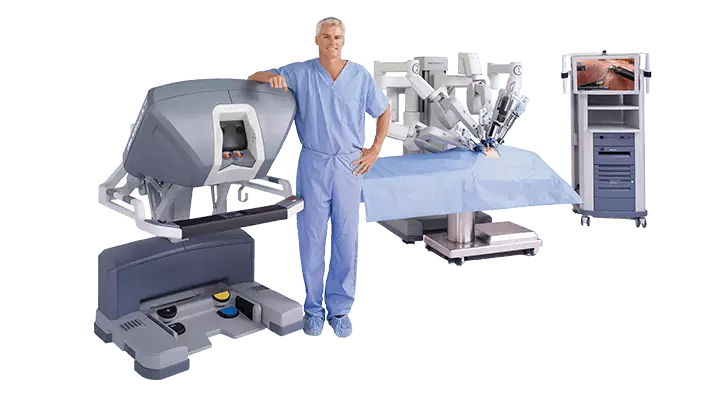
Robotic heart surgery is an advanced minimally invasive technique in which the surgeon performs the surgery using specialized robotic arms. The surgeon sits at the console, controls the robotic arms, and completes the surgery with small, precise movements. This technology helps achieve more sensitive and reliable results in the treatment of heart diseases.
Robotic heart surgery may be a choice for the following patient groups:
- Patients with heart valve disease who do not require large incisions.
- Patients who require intervention on certain vessels due to coronary artery disease.
- Patients who experience heart rhythm disturbances and require surgical ablation.
What are the benefits of minimally invasive and robotic surgery?
Minimally invasive and robotic surgery provide patients with significant gains in both the short and long term. Compared to traditional open heart surgeries, the aim is to provide patients with a more comfortable post-operative period.
Some of the benefits offered by these surgical methods include:
- Less tissue damage occurs because small entry points are used instead of large incisions.
- The healing process accelerates, and patients can return to their daily lives in a shorter time.
- The risk of infection is reduced, making it safer, especially for patients with diabetes or weakened immune systems.
- Post-operative pain is less severe, and patients experience a more comfortable recovery process.
- It provides better aesthetic results, leaving small and inconspicuous incisions instead of large surgical scars.
Minimally invasive and robotic surgery are becoming increasingly common in cardiovascular surgery thanks to advancing medical technologies and offer an effective treatment option for many patients.
Recovery Process After Cardiovascular Surgery
The recovery process for patients undergoing cardiovascular surgery may vary depending on the type of surgery, the patient's general health, and the surgical technique used. There are many important points to consider in the post-operative period, both in the hospital and at home. For a successful recovery, the doctor's recommendations should be followed, and regular checkups should be maintained.
The recovery process after heart surgery generally consists of three phases: intensive care and hospitalization, home care, and a rehabilitation program.
Intensive Care and Hospital Stay
Following heart surgery, patients are first admitted to the intensive care unit, where their vital functions are closely monitored. This process usually takes 24-48 hours, depending on the patient's condition. Then, the patient is taken to the ward and his/her general health status and wound healing are evaluated.
- Some points to consider during the hospital stay include:
- Vital signs are checked regularly, and blood pressure, pulse, and oxygen levels are monitored.
- To prevent arteriosclerosis or clot formation, early mobilization is provided, and patients are encouraged to get out of bed after a certain period of time.
- Diet and fluid intake are regulated, and nutritional plans that will protect heart health are created.
- Pain management is performed; keeping post-operative pain under control accelerates the healing process.
Post-Operative Home Care
After discharge from the hospital, recovery should continue at home. During this period, it is important for patients to pay attention to the lifestyle changes and medication recommended by the doctor. To prevent post-operative risks, regular follow-up should be performed and possible symptoms should be observed.
Here are some points to consider during home care:
- Meticulous wound care should be taken, and dressing and hygiene guidelines should be followed to prevent the risk of infection.
- Physical activities should be increased gradually, excessive exertion should be avoided, but sedentary behavior should not be avoided.
- Regular medication use must be ensured, especially for patients who have had a pacemaker or bypass surgery, drug therapy is of great importance.
- Smoking and alcohol consumption should be avoided, and healthy habits should be adopted to protect vascular health.
Post-Heart Surgery Rehabilitation
For patients who have undergone heart surgery, the rehabilitation process helps restore heart function and improve quality of life. This process is shaped depending on the patient's physical activity capacity, general health status, and the type of surgery.
Some methods used during the rehabilitation process include:
- Physical exercise programs are designed to strengthen the heart and maintain vascular health.
- A diet program is determined and heart-healthy eating habits are taught.
- Stress management is provided, psychological support and relaxing techniques are recommended.
- Regular check-ups are performed, and the healing process is monitored with tests such as CT angiography and Doppler ultrasonography.
Tips for Protecting Cardiovascular Health
Cardiovascular diseases are among the most common health problems worldwide. Adopting a healthy lifestyle plays a big role in preventing these diseases. Factors such as a balanced diet, regular physical activity and avoiding bad habits are very important for heart health. Additionally, early diagnosis and regular doctor check-ups play a critical role in preventing potential risks.
Healthy Nutrition
To maintain heart health, it's important to pay attention to your diet. Eating the right foods helps prevent blockages in your arteries and heart disease. Fish, vegetables, fruits, and fiber-rich whole grains containing omega-3 fatty acids are among the heart-healthy foods.
Excessive consumption of salt, sugar and saturated fat can increase the risk of heart disease. It is especially necessary to avoid processed foods, trans fats and excessive red meat consumption. Your daily diet should include balanced protein, healthy fats and complex carbohydrates.
Regular Exercise
Physical activity is one of the most important factors for cardiovascular health. Regular exercise improves blood circulation, balances blood pressure and helps strengthen the heart muscle. Getting at least 150 minutes of moderate exercise per week significantly reduces the risk of heart disease.
Activities such as walking, swimming and cycling are among the most effective exercises that support heart health. A sedentary lifestyle can lead to problems such as vascular occlusion and high blood pressure. For this reason, it is necessary to avoid sitting for long periods of time and take care to move more in daily life.
Avoiding Smoking and Alcohol
Smoking is one of the biggest causes of cardiovascular disease. Smoking increases the risk of heart attack by causing narrowing of blood vessels and impaired blood flow. Additionally, secondhand smoke can also negatively impact heart health. Quitting smoking improves the cardiovascular system and helps the body repair itself over time.
Alcohol consumption can also increase blood pressure and lead to heart rhythm disturbances. Excessive alcohol use can weaken the heart muscle and cause serious health problems in the long run. To protect heart health, it is important to quit smoking and alcohol consumption completely or minimize it.
Regular Heart Health Checkups
Early diagnosis is crucial in the prevention and treatment of heart disease. Blood pressure, cholesterol and blood sugar levels can be monitored through regular health checks. Individuals with a family history of heart disease should have regular cardiology examinations.
Imaging methods such as CT angiography, Doppler ultrasonography, and ECG are used to evaluate cardiovascular health. If you experience symptoms such as chest pain, shortness of breath or palpitations, you should consult a doctor without delay. Since heart diseases can often progress insidiously, it is vital to have regular check-ups even if there are no symptoms.
Frequently Asked Questions About Cardiovascular Surgery (CVS)
What does Cardiovascular Surgery look for?
Heart surgery can fix problems with heart valves and arteries, restore blood flow, or completely replace a diseased heart.
How is Coronary Bypass Surgery Performed?
Coronary bypass surgery is the restoration of blood flow by replacing blocked or narrowed coronary arteries with vessels taken from another part of the body. The procedure is performed by opening the rib cage or using minimally invasive surgical methods.
Is Heart Valve Surgery Risky?
Heart valve surgeries may carry some risks, depending on the patient's general health and the degree of disease. However, today, thanks to advanced surgical techniques and methods such as robotic heart surgery, the risks have been significantly reduced.
Who Can Get a Heart Transplant?
A heart transplant is performed on patients with advanced heart failure who have not responded to other treatment methods. A suitable donor must be found for the transplant and the patient's general health must be at a level that can tolerate the operation.
How is Varicose Vein Treatment Done?
Varicose vein treatment can be done with methods such as laser, radiofrequency and foam sclerotherapy, depending on the severity of the disease. In advanced cases, varicose vein surgery can be performed to remove enlarged veins.
What are the risks of aneurysm surgery?
Aneurysm surgery is the process of repairing the weakness in the vascular wall or supporting it with artificial grafts. Risks of surgery may include bleeding, infection, and, in rare cases, vascular rupture.
What is Minimally Invasive Surgery?
Minimally invasive surgery involves surgeries performed through small incisions or catheter-based methods, without making large incisions. This method is preferred because it offers faster healing, less pain, and a lower risk of infection.
What are the benefits of robotic heart surgery?
Robotic heart surgery allows the surgeon to perform surgery with greater precision via robotic arms. Because it is performed with smaller incisions, patients have a shorter recovery time and less post-operative pain.


Doctors
-
![Prof. AHMET TULGA ULUS, M.D.]() Prof. AHMET TULGA ULUS, M.D.
Cardiovascular Surgery
Prof. AHMET TULGA ULUS, M.D.
Cardiovascular Surgery
 Book an Appointment
-
![Prof. AHMET ÜMİT GÜLLÜ, M.D.]() Prof. AHMET ÜMİT GÜLLÜ, M.D.
Cardiovascular Surgery
Book an Appointment
Prof. AHMET ÜMİT GÜLLÜ, M.D.
Cardiovascular Surgery
Book an Appointment
-
![Prof. BÜLENT KISACIKOĞLU, M.D.]() Prof. BÜLENT KISACIKOĞLU, M.D.
Cardiovascular Surgery
Book an Appointment
Prof. BÜLENT KISACIKOĞLU, M.D.
Cardiovascular Surgery
Book an Appointment
-
![Prof. CEM ALHAN, M.D.]() Prof. CEM ALHAN, M.D.
Cardiovascular Surgery
Book an Appointment
Prof. CEM ALHAN, M.D.
Cardiovascular Surgery
Book an Appointment
-
![Prof. ERSİN EREK, M.D.]() Prof. ERSİN EREK, M.D.
Cardiovascular Surgery
Book an Appointment
Prof. ERSİN EREK, M.D.
Cardiovascular Surgery
Book an Appointment
-
![Prof. EYÜP MURAT ÖKTEN, M.D.]() Prof. EYÜP MURAT ÖKTEN, M.D.
Cardiovascular Surgery
Book an Appointment
Prof. EYÜP MURAT ÖKTEN, M.D.
Cardiovascular Surgery
Book an Appointment
-
![Prof. FUAT BİLGEN, M.D.]() Prof. FUAT BİLGEN, M.D.
Cardiovascular Surgery
Book an Appointment
Prof. FUAT BİLGEN, M.D.
Cardiovascular Surgery
Book an Appointment
-
![Prof. MEHMET ÖZKAN, M.D.]() Prof. MEHMET ÖZKAN, M.D.
Cardiovascular Surgery
Book an Appointment
Prof. MEHMET ÖZKAN, M.D.
Cardiovascular Surgery
Book an Appointment
-
![Prof. ÖNER GÜLCAN, M.D.]() Prof. ÖNER GÜLCAN, M.D.
Cardiovascular Surgery
Book an Appointment
Prof. ÖNER GÜLCAN, M.D.
Cardiovascular Surgery
Book an Appointment
-
![Prof. RIZA TÜRKÖZ, M.D.]() Prof. RIZA TÜRKÖZ, M.D.
Cardiovascular Surgery
Book an Appointment
Prof. RIZA TÜRKÖZ, M.D.
Cardiovascular Surgery
Book an Appointment
-
![Prof. ŞAHİN ŞENAY, M.D.]() Prof. ŞAHİN ŞENAY, M.D.
Cardiovascular Surgery
Book an Appointment
Prof. ŞAHİN ŞENAY, M.D.
Cardiovascular Surgery
Book an Appointment
-
![Prof. TAYYAR SARIOĞLU, M.D.]() Prof. TAYYAR SARIOĞLU, M.D.
Cardiovascular Surgery
Book an Appointment
Prof. TAYYAR SARIOĞLU, M.D.
Cardiovascular Surgery
Book an Appointment
-
![Prof. UFUK DEMİRKILIÇ, M.D.]() Prof. UFUK DEMİRKILIÇ, M.D.
Cardiovascular Surgery
Book an Appointment
Prof. UFUK DEMİRKILIÇ, M.D.
Cardiovascular Surgery
Book an Appointment
-
![Prof. YUSUF KENAN YALÇINBAŞ, M.D.]() Prof. YUSUF KENAN YALÇINBAŞ, M.D.
Cardiovascular Surgery
Book an Appointment
Prof. YUSUF KENAN YALÇINBAŞ, M.D.
Cardiovascular Surgery
Book an Appointment
-
![Assoc. Prof. AHMET ARNAZ, M.D.]() Assoc. Prof. AHMET ARNAZ, M.D.
Cardiovascular Surgery
Book an Appointment
Assoc. Prof. AHMET ARNAZ, M.D.
Cardiovascular Surgery
Book an Appointment
-
![Assoc. Prof. CÜNEYT NARİN, M.D.]() Assoc. Prof. CÜNEYT NARİN, M.D.
Cardiovascular Surgery
Book an Appointment
Assoc. Prof. CÜNEYT NARİN, M.D.
Cardiovascular Surgery
Book an Appointment
-
![Assoc. Prof. İSMAİL SELÇUK, M.D.]() Assoc. Prof. İSMAİL SELÇUK, M.D.
Cardiovascular Surgery
Book an Appointment
Assoc. Prof. İSMAİL SELÇUK, M.D.
Cardiovascular Surgery
Book an Appointment
-
![Assoc. Prof. MURAT BAŞTOPCU, M.D.]() Assoc. Prof. MURAT BAŞTOPCU, M.D.
Cardiovascular Surgery
Book an Appointment
Assoc. Prof. MURAT BAŞTOPCU, M.D.
Cardiovascular Surgery
Book an Appointment
-
![Assoc. Prof. SELİM AYDIN, M.D.]() Assoc. Prof. SELİM AYDIN, M.D.
Cardiovascular Surgery
Book an Appointment
Assoc. Prof. SELİM AYDIN, M.D.
Cardiovascular Surgery
Book an Appointment
-
![Assoc. Prof. TANSEL TÜRKOĞLU, M.D.]() Assoc. Prof. TANSEL TÜRKOĞLU, M.D.
Cardiovascular Surgery
Book an Appointment
Assoc. Prof. TANSEL TÜRKOĞLU, M.D.
Cardiovascular Surgery
Book an Appointment
-
![Assist. Prof. GÖKHAN ARSLANHAN, M.D.]() Assist. Prof. GÖKHAN ARSLANHAN, M.D.
Cardiovascular Surgery
Book an Appointment
Assist. Prof. GÖKHAN ARSLANHAN, M.D.
Cardiovascular Surgery
Book an Appointment
-
![Assist. Prof. HAMDİ TOKÖZ, M.D.]() Assist. Prof. HAMDİ TOKÖZ, M.D.
Cardiovascular Surgery
Book an Appointment
Assist. Prof. HAMDİ TOKÖZ, M.D.
Cardiovascular Surgery
Book an Appointment
-
![ABDULLAH DOĞAN, M.D.]() ABDULLAH DOĞAN, M.D.
Cardiovascular Surgery
Book an Appointment
ABDULLAH DOĞAN, M.D.
Cardiovascular Surgery
Book an Appointment
-
![AHMET ARİF AĞLAR, M.D.]() AHMET ARİF AĞLAR, M.D.
Cardiovascular Surgery
Book an Appointment
AHMET ARİF AĞLAR, M.D.
Cardiovascular Surgery
Book an Appointment
-
![ANIL KARAAĞAÇ, M.D.]() ANIL KARAAĞAÇ, M.D.
Cardiovascular Surgery
Book an Appointment
ANIL KARAAĞAÇ, M.D.
Cardiovascular Surgery
Book an Appointment
-
![ARZU ERCAN, M.D.]() ARZU ERCAN, M.D.
Cardiovascular Surgery
Book an Appointment
ARZU ERCAN, M.D.
Cardiovascular Surgery
Book an Appointment
-
![AYÇA ÖZGEN, M.D.]() AYÇA ÖZGEN, M.D.
Cardiovascular Surgery
Book an Appointment
AYÇA ÖZGEN, M.D.
Cardiovascular Surgery
Book an Appointment
-
![AYTAÇ ÇALIŞKAN, M.D.]() AYTAÇ ÇALIŞKAN, M.D.
Cardiovascular Surgery
Book an Appointment
AYTAÇ ÇALIŞKAN, M.D.
Cardiovascular Surgery
Book an Appointment
-
![SELİM TANSAL, M.D.]() SELİM TANSAL, M.D.
Cardiovascular Surgery
Book an Appointment
SELİM TANSAL, M.D.
Cardiovascular Surgery
Book an Appointment
-
![TAMER TURAN, M.D.]() TAMER TURAN, M.D.
Cardiovascular Surgery
Book an Appointment
TAMER TURAN, M.D.
Cardiovascular Surgery
Book an Appointment
-
![UĞUR KAYA, M.D.]() UĞUR KAYA, M.D.
Cardiovascular Surgery
Book an Appointment
UĞUR KAYA, M.D.
Cardiovascular Surgery
Book an Appointment
-
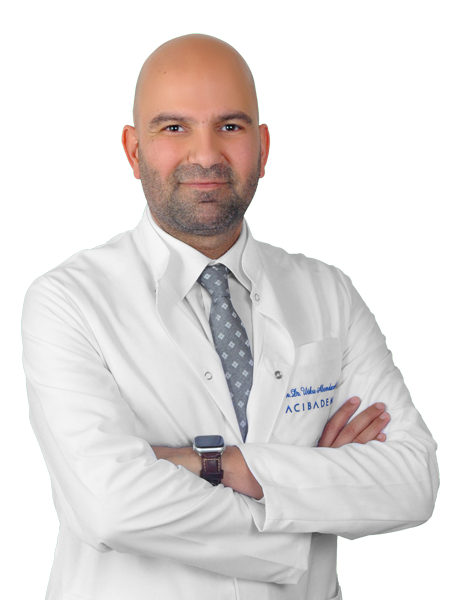
![UTKU ALEMDAROĞLU, M.D.]() UTKU ALEMDAROĞLU, M.D.
Cardiovascular Surgery
Book an Appointment
UTKU ALEMDAROĞLU, M.D.
Cardiovascular Surgery
Book an Appointment
-
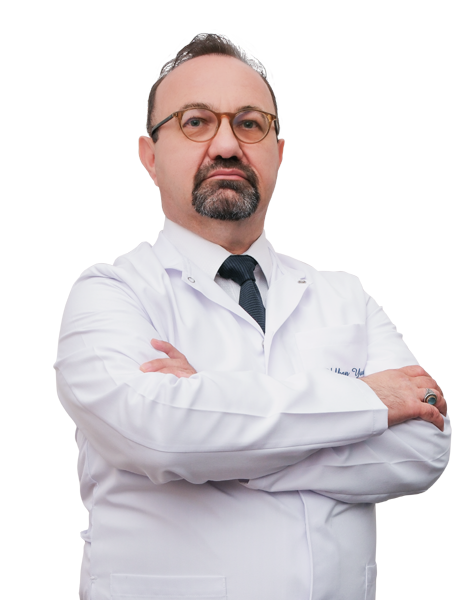
![VOLKAN YURTMAN, M.D.]() VOLKAN YURTMAN, M.D.
Cardiovascular Surgery
Book an Appointment
VOLKAN YURTMAN, M.D.
Cardiovascular Surgery
Book an Appointment
-
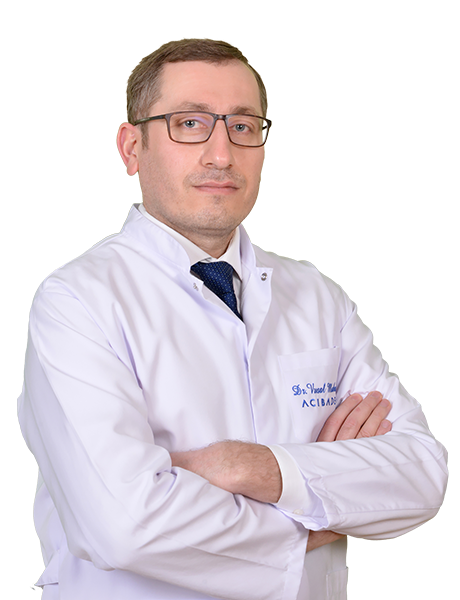
![VUSAL MAHMUDOV, M.D.]() VUSAL MAHMUDOV, M.D.
Cardiovascular Surgery
Book an Appointment
VUSAL MAHMUDOV, M.D.
Cardiovascular Surgery
Book an Appointment
-
![YAKUP TİRE, M.D.]() YAKUP TİRE, M.D.
Cardiovascular Surgery
Book an Appointment
YAKUP TİRE, M.D.
Cardiovascular Surgery
Book an Appointment





Medical Technologies
Hospitals
-
![Adana Hospital]() Adana Hospital
Adana Hospital -
![Altunizade Hospital]() Altunizade Hospital
Altunizade Hospital -
![Ankara Hospital]() Ankara Hospital
Ankara Hospital -
![Atakent Hospital]() Atakent Hospital
Atakent Hospital -
![Ataşehir Hospital]() Ataşehir Hospital
Ataşehir Hospital -
![Ataşehir Outpatient Clinic]() Ataşehir Outpatient Clinic
Ataşehir Outpatient Clinic -
![Bağdat Outpatient Clinic]() Bağdat Outpatient Clinic
Bağdat Outpatient Clinic -
![Bakırköy Hospital]() Bakırköy Hospital
Bakırköy Hospital -
![Bodrum Hospital]() Bodrum Hospital
Bodrum Hospital -
![Bursa Hospital]() Bursa Hospital
Bursa Hospital -
![Eskişehir Hospital]() Eskişehir Hospital
Eskişehir Hospital -
![International Hospital]() International Hospital
International Hospital -
![İzmir Kent Hospital]() İzmir Kent Hospital
İzmir Kent Hospital -
![Kadıköy (Dr. Şinasi Can) Hospital]() Kadıköy (Dr. Şinasi Can) Hospital
Kadıköy (Dr. Şinasi Can) Hospital -
![Kartal Hospital]() Kartal Hospital
Kartal Hospital -
![Kayseri Hospital]() Kayseri Hospital
Kayseri Hospital -
![Kozyatağı Hospital]() Kozyatağı Hospital
Kozyatağı Hospital -
![Maslak Hospital]() Maslak Hospital
Maslak Hospital