FOR INTERNATIONAL PATIENTS
















About Service
General surgery covers the diagnosis, treatment, and surgical interventions of diseases affecting many systems in the body, such as hernia repair, stomach surgery, appendectomy, colon and rectal surgery, breast surgery, and gastrointestinal diseases. Specializing in various fields, from obesity surgery to endocrine surgery, from hepatopancreatobiliary surgery to organ transplantation, general surgery aims to improve the health of patients with modern diagnostic and treatment methods.
What is General Surgery?
General surgery is a branch of medicine that undertakes the diagnosis and treatment of diseases occurring in various organs and systems of the body through surgical methods. Many areas and diseases such as abdomen, breast, thyroid, soft tissue, digestive system and hernia are within the scope of general surgery. Conditions such as cancer, infection, trauma, gallbladder problems, appendicitis and intestinal obstructions are among the diseases that general surgery frequently deals with.
The Department of General Surgery plays a leading role in the accurate and early diagnosis of diseases requiring surgical intervention and in the application of effective treatment methods. The diagnostic process is supported by detailed examinations, laboratory tests, imaging techniques such as MRI, CT and ultrasound, and biopsy procedures if necessary. Treatments range from minimally invasive procedures to open surgery, and customized plans for each patient are developed by a multidisciplinary team. In this process, the patient's general health status, lifestyle and preferences are taken into consideration. In addition to obesity surgery, specialized treatment methods in sub-branches such as endocrine surgery and gastroenterology and coloproctology surgery are meticulously applied by surgeons who are experienced in their fields.
What Does General Surgery Look For?
General surgery deals with diseases such as the abdominal organs (stomach, intestines, gallbladder, liver, pancreas), thyroid and parathyroid glands, breast diseases, hernias, soft tissue tumors, appendicitis, hemorrhoids, and anal fistulas. Additionally, the treatment of injuries resulting from trauma and surgical interventions for some types of cancer are also within the scope of general surgery. General surgery undertakes the diagnosis and treatment of patients, working with other specialties when necessary.
Problems associated with general surgery include:
- Hernias
- Thyroid and parathyroid diseases
- Breast diseases
- Digestive system diseases
- Appendicitis
- Hemorrhoids and anal diseases
- Trauma and injuries
Hernias
Hernias are a common condition that occurs when internal organs protrude through a weak spot in the abdominal wall. Hernias, which usually occur in the groin, umbilical or surgical incision areas, can cause pain and discomfort. The aim of treatment is to repair the hernia area by surgical method.
Thyroid and Parathyroid Diseases
Thyroid and parathyroid gland problems such as nodules, hyperactivity, or cancer are among the diseases that general surgery deals with. In particular, the risk of malignancy of thyroid nodules may require surgical intervention. Disorders related to the parathyroid gland may cause calcium imbalance and necessitate surgical intervention.
Breast Diseases
General surgery deals with diseases such as breast cancer, benign tumors, cysts, and infections. Surgical intervention in breast cancer involves tumor removal or, if necessary, mastectomy.
Digestive System Diseases
Diseases affecting organs such as the stomach, small intestine, large intestine, liver, pancreas, and gallbladder fall under the scope of general surgery. Surgical intervention is often preferred in cases such as gallstones, appendicitis, intestinal obstruction and inflammatory bowel diseases.
Appendicitis
Appendicitis is inflammation of the organ called the appendix and is characterized by symptoms such as abdominal pain, nausea, and fever. Appendicitis, which requires emergency surgery, is treated by removing the appendix.
Hemorrhoids and Anal Diseases
Hemorrhoids (piles), anal fistulas, and anal fissures are among the conditions frequently treated by general surgery. These diseases cause pain, bleeding and discomfort in the anus and rectum area. Treatment methods vary depending on the severity of the disease and surgical intervention may be necessary.
Trauma and Injuries
General surgery plays a critical role in the treatment of traumas caused by accidents, falls, or impacts. In cases such as internal organ injuries, bleeding and fractures, surgical intervention can save the patient's life or accelerate the healing process.
General Surgery Department Diagnosis and Tests
In the general surgery department, the diagnostic process begins with a detailed medical history and physical examination. Laboratory tests, blood and biochemistry analyses are performed depending on the severity of the disease. Imaging methods are an indispensable part of the diagnostic process; Technologies such as MRI, CT, ultrasound, and X-ray are used to assess the location of the disease, its extent, and the tissues it affects. When necessary, advanced diagnostic methods such as biopsy are used to make a definitive diagnosis. With this comprehensive approach, general surgery manages the diagnostic process reliably and in detail.
Commonly performed tests in the general surgery department include:
- Blood tests (such as complete blood count, biochemistry panel, coagulation tests),
- Urinalysis,
- Radiological imaging methods (X-ray, ultrasonography, CT),
- Magnetic resonance imaging (MRI),
- Endoscopy (such as gastroscopy, colonoscopy),
- Biopsy (tissue sampling),
- Electrocardiography (ECG),
- Lung function tests,
- Laparoscopy to evaluate intra-abdominal organs,
- Infection screenings (such as CRP, sedimentation rate),
- Tumor markers (such as CA 19-9, CEA, AFP),
- Echocardiography (evaluation of the heart and circulatory system),
- Ultrasound-guided drainage or fluid aspiration.
Treatment Options in the General Surgery Department
Treatment in the general surgery department is tailored to the type and stage of the disease, and the patient's general health. A wide range of treatments are offered, from minimally invasive methods to open surgery. While minimally invasive procedures such as laparoscopic surgery offer less pain and faster recovery, open surgery is generally preferred when more major interventions are required. Common procedures such as hernia repair, gallbladder surgeries, appendicitis surgeries, thyroid and parathyroid surgeries are performed. Additionally, patient-specific treatment plans are prepared in areas of expertise such as obesity surgery, gastrointestinal surgery, and oncological surgery. The treatment process is implemented by a multidisciplinary team, aiming to improve the patient's quality of life and ensure rapid recovery.
Treatment options offered in the general surgery department include:
- Bariatric surgery,
- Endocrine surgery,
- Gastroenterology surgery,
- Liver, pancreas, and bile duct surgery (hepatopancreatobiliary surgery),
- Breast surgery,
- Organ transplantation.
Bariatric surgery
Obesity is a serious and widespread health problem affecting numerous organs in the human body. Treatment of this disease requires a multidisciplinary approach to improve the patient's quality of life and reduce comorbid health problems. These techniques, which include advanced surgical techniques, include methods such as gastric banding, gastric sleeve (gastric tube) and gastric bypass.
The gastric band method allows you to control your eating capacity with an adjustable band placed on the stomach. In the gastric sleeve procedure, a large portion of the stomach volume is removed to create a tube-shaped structure. Gastric bypass, on the other hand, is based on the principle of reducing the stomach volume and preventing some of the nutrients from being absorbed in the small intestine. Each surgical method is carefully selected, taking into account the patient's health status, degree of obesity and other personal factors. The treatment process is supported by the support of a dietitian, psychologist and other health professionals, making it easier for the patient to adapt to lifestyle changes after treatment.
Endocrine Surgery
Endocrine surgery involves the surgical treatment of diseases related to the glands in the endocrine system and the hormones produced by these glands. This field encompasses diseases affecting various organs, particularly neuroendocrine tumors of the thyroid, parathyroid, adrenal glands, and pancreas. Endocrine surgery plays a critical role in the diagnosis and treatment of diseases resulting from excessive or insufficient hormone production by these glands. While thyroid and parathyroid surgery is usually performed for goiter, hyperthyroidism, hypoparathyroidism, and similar diseases, adrenal surgery may be required for tumors or dysfunctions in the adrenal glands. Neuroendocrine tumors of the pancreas usually originate from the hormone-producing cells of the pancreas, and although these tumors are mostly benign, they can cause serious health problems if not treated in a timely manner.
These surgical procedures are usually performed using minimally invasive methods. In this way, patients recover more quickly and their hospital stay is reduced. Furthermore, these techniques leave minimal scarring and offer aesthetic benefits. Endocrine surgery is not limited to surgical procedures alone; it requires a treatment plan that considers the patient's overall health. Within this plan, the patient is also provided with appropriate diet, medication and follow-up recommendations. Surgeons serving in this field at Acıbadem Healthcare Group constantly improve themselves and apply the latest techniques to provide their patients with the most up-to-date and effective treatment methods.
Gastrointestinal surgery
Gastrointestinal surgery is a surgical procedure used to treat diseases that occur in various parts of the digestive system. This area covers important parts of the digestive system such as the esophagus, stomach-duodenum, small intestine, large intestine and rectum. Gastroenterology surgery can be performed for serious diseases such as ulcerative colitis, Crohn's disease, colorectal cancer, stomach cancer, esophageal cancer, as well as less risky conditions such as hernias and diverticulitis. Surgical procedures are performed using minimally invasive techniques such as laparoscopic and endoscopic methods, shortening the recovery time for patients and reducing the risk of complications. These treatments are customized according to the patient's general health status and the stage of the disease and are planned with a multidisciplinary approach.
Liver, Pancreas, and Bile Duct Surgery (Hepatopancreatobiliary Surgery)
Hepato-pancreatobiliary (HPB) surgery is a subspecialty of general surgery that covers vital organs such as the liver, pancreas, and bile ducts. The functional and anatomical closeness between these three organs requires that this area be considered as a whole. HPB surgery is used to treat life-threatening diseases such as liver cancer, pancreatic cancer, gallbladder and bile duct cancer, as well as more common conditions such as gallstones and pancreatitis. These surgical procedures require a high level of expertise and experience and are usually performed in specialized operating rooms equipped with state-of-the-art equipment. Treatment is personalized according to the stage of the disease and the general health of the patient, thus trying to achieve the best results and improving the patient's quality of life.
Breast surgery
Breast surgery includes a variety of procedures, including debulking, lumpectomy (sparing removal of cancerous tissue), mastectomy (partial or complete removal of breast tissue), and oncoplastic surgery. Additionally, procedures such as lymph node biopsy or dissection are frequently performed in this area for patients diagnosed with breast cancer.
Breast cancer treatment is personalized depending on the patient's age, stage of cancer, hormone receptor status, and genetic factors. At Acıbadem Healthcare Group, this process is carried out in collaboration with experts from different disciplines, such as oncologists, radiologists, pathologists and plastic surgeons. This multidisciplinary approach provides a great advantage in determining and implementing the most appropriate treatment options for patients.
Post-treatment follow-up and rehabilitation are also an important part of this process. In addition to their physical recovery, patients can also receive psychological support and counseling services during the post-surgical period. These services help patients better manage their treatment processes and improve their quality of life. Acıbadem Health Group offers both treatment and support to its patients with these comprehensive breast health services.
Organ Transplantation
At Acıbadem Healthcare Group's Organ Transplant Centers, life-saving kidney and liver transplant surgeries are meticulously performed by a team of experts. Kidney transplantation is offered as a last resort for patients suffering from chronic kidney failure, while liver transplantation is performed on patients with serious liver diseases or liver failure. Both types of transplants begin with finding suitable donor organs and are performed after numerous tests that must be compatible with the recipients.
This process includes a period of extensive evaluation and preparation for both the donor and the recipient. Transplant operations are performed by experienced surgeons and transplant coordinators in special operating rooms equipped with state-of-the-art equipment. After the transplant, patients undergo intensive monitoring and medication therapy. During this period, the aim is to protect recipients against potential complications such as organ rejection and infection and to optimize the functionality of the new organ.
Acıbadem Healthcare Group provides multidisciplinary support to patients in the post-organ transplantation period; it aims to improve the health status of patients and enhance their quality of life through collaboration between nephrology, hepatology, infectious diseases, and other relevant specialties. Additionally, psychological support and educational programs are offered for patients and their families, providing information and support at all stages of the transplant process.
Colorectal Surgery
Colorectal surgery; It is a specialty that deals with the diagnosis, treatment and surgical interventions of diseases affecting the rectum, anus and large intestine. This field covers the treatment of diseases such as colon cancer, rectal cancer, diverticulitis, inflammatory bowel diseases (e.g. Crohn's disease, ulcerative colitis), hemorrhoids, anal fistulas and fissures. Colorectal surgeons evaluate these structures in the lower part of the digestive system from both functional and oncological perspectives to create the most appropriate treatment plan.
Frequently Asked Questions About General Surgery
What does general surgery mean?
General surgery is a branch of medicine that covers surgical procedures involving structures and organs in various parts of the body. Surgeons in this field perform surgical interventions, especially for diseases of the abdomen, breast and endocrine system.
What diseases does general surgery deal with?
Diseases such as hernia, appendicitis, thyroid diseases, breast cancer and hemorrhoids are within the scope of the general surgery doctor.
Are general surgery procedures performed urgently or planned?
General surgical operations can be both emergency and planned. While emergency operations are performed for unexpected situations and health problems that require immediate intervention, planned operations are carried out on predetermined dates after a detailed preparation process.
How should I prepare before the surgical procedure?
Before the surgery, your doctor will give you specific instructions. Generally, you will be asked not to eat or drink liquids after midnight the night before the operation. You will also be informed about any medications you should or should not use.
What is the recovery process like after surgery?
The recovery process varies depending on the operation performed and the general health status of the individual. Your doctor will give you specific instructions about pain control, wound care, and activity level after surgery. Generally, most patients can gradually return to normal activities within a few days after surgery.
Is there a risk of infection after the operation?
Every surgical procedure carries a certain risk of infection. However, hospitals perform operations under sterile conditions to minimize the risk of infection, and this risk can be further reduced with the appropriate use of antibiotics.
Are there any scars left after general surgery operations?
Depending on the type of surgery and where it is performed, scarring may occur, but surgeons strive to provide healing with the least possible scarring. Operations performed using minimally invasive techniques (such as laparoscopy) leave fewer scars.
When can I return to my normal diet?
This varies depending on the type of surgery and its effects on the digestive system. While some patients can return to their normal diet within a few days, for others this process may take longer. Your doctor will give you a special diet plan.


Doctors
-
![Prof. ABDULLAH ZORLUOĞLU, M.D.]() Prof. ABDULLAH ZORLUOĞLU, M.D.
General Surgery
Prof. ABDULLAH ZORLUOĞLU, M.D.
General Surgery
 Book an Appointment
-
![Prof. ABDULLAH İĞCİ, M.D.]() Prof. ABDULLAH İĞCİ, M.D.
General Surgery
Book an Appointment
Prof. ABDULLAH İĞCİ, M.D.
General Surgery
Book an Appointment
-
![Prof. AHMET ALPONAT, M.D.]() Prof. AHMET ALPONAT, M.D.
General Surgery
Book an Appointment
Prof. AHMET ALPONAT, M.D.
General Surgery
Book an Appointment
-
![Prof. ALİ AKYÜZ, M.D.]() Prof. ALİ AKYÜZ, M.D.
General Surgery
Book an Appointment
Prof. ALİ AKYÜZ, M.D.
General Surgery
Book an Appointment
-
![Prof. AYKUT SOYDER, M.D.]() Prof. AYKUT SOYDER, M.D.
General Surgery
Book an Appointment
Prof. AYKUT SOYDER, M.D.
General Surgery
Book an Appointment
-
![Prof. BİLGİ BACA, M.D.]() Prof. BİLGİ BACA, M.D.
General Surgery
Book an Appointment
Prof. BİLGİ BACA, M.D.
General Surgery
Book an Appointment
-
![Prof. CAN KÜÇÜK, M.D.]() Prof. CAN KÜÇÜK, M.D.
General Surgery
Book an Appointment
Prof. CAN KÜÇÜK, M.D.
General Surgery
Book an Appointment
-
![Prof. CİHAN URAS, M.D.]() Prof. CİHAN URAS, M.D.
General Surgery
Book an Appointment
Prof. CİHAN URAS, M.D.
General Surgery
Book an Appointment
-
![Prof. CİHAN YILDIRIR, M.D.]() Prof. CİHAN YILDIRIR, M.D.
General Surgery
Book an Appointment
Prof. CİHAN YILDIRIR, M.D.
General Surgery
Book an Appointment
-
![Prof. DENİZ ATASOY, M.D.]() Prof. DENİZ ATASOY, M.D.
General Surgery
Book an Appointment
Prof. DENİZ ATASOY, M.D.
General Surgery
Book an Appointment
-
![Prof. ERKİN İSMAİL, M.D.]() Prof. ERKİN İSMAİL, M.D.
General Surgery
Book an Appointment
Prof. ERKİN İSMAİL, M.D.
General Surgery
Book an Appointment
-
![Prof. FATİH AYDOĞAN, M.D.]() Prof. FATİH AYDOĞAN, M.D.
General Surgery
Book an Appointment
Prof. FATİH AYDOĞAN, M.D.
General Surgery
Book an Appointment
-
![Prof. FATİH ATA GENÇ, M.D.]() Prof. FATİH ATA GENÇ, M.D.
General Surgery
Book an Appointment
Prof. FATİH ATA GENÇ, M.D.
General Surgery
Book an Appointment
-
![Prof. FİKRET AKSOY, M.D.]() Prof. FİKRET AKSOY, M.D.
General Surgery
Book an Appointment
Prof. FİKRET AKSOY, M.D.
General Surgery
Book an Appointment
-
![Prof. GÜRALP ONUR CEYHAN, M.D.]() Prof. GÜRALP ONUR CEYHAN, M.D.
General Surgery
Book an Appointment
Prof. GÜRALP ONUR CEYHAN, M.D.
General Surgery
Book an Appointment
-
![Prof. İBRAHİM BERBER, M.D.]() Prof. İBRAHİM BERBER, M.D.
General Surgery
Book an Appointment
Prof. İBRAHİM BERBER, M.D.
General Surgery
Book an Appointment
-
![Prof. İLGİN ÖZDEN, M.D.]() Prof. İLGİN ÖZDEN, M.D.
General Surgery
Book an Appointment
Prof. İLGİN ÖZDEN, M.D.
General Surgery
Book an Appointment
-
![Prof. İSMAİL HAMZAOĞLU, M.D.]() Prof. İSMAİL HAMZAOĞLU, M.D.
General Surgery
Book an Appointment
Prof. İSMAİL HAMZAOĞLU, M.D.
General Surgery
Book an Appointment
-
![Prof. M. SİNAN ERSİN, M.D.]() Prof. M. SİNAN ERSİN, M.D.
General Surgery
Book an Appointment
Prof. M. SİNAN ERSİN, M.D.
General Surgery
Book an Appointment
-
![Prof. MERT ERKAN, M.D.]() Prof. MERT ERKAN, M.D.
General Surgery
Book an Appointment
Prof. MERT ERKAN, M.D.
General Surgery
Book an Appointment
-
![Prof. METİN KESKİN, M.D.]() Prof. METİN KESKİN, M.D.
General Surgery
Book an Appointment
Prof. METİN KESKİN, M.D.
General Surgery
Book an Appointment
-
![Prof. METİN ERTEM, M.D.]() Prof. METİN ERTEM, M.D.
General Surgery
Book an Appointment
Prof. METİN ERTEM, M.D.
General Surgery
Book an Appointment
-
![Prof. METİN ÇAKMAKÇI, M.D.]() Prof. METİN ÇAKMAKÇI, M.D.
General Surgery
Book an Appointment
Prof. METİN ÇAKMAKÇI, M.D.
General Surgery
Book an Appointment
-
![Prof. MURAT GÖNENÇ, M.D.]() Prof. MURAT GÖNENÇ, M.D.
General Surgery
Book an Appointment
Prof. MURAT GÖNENÇ, M.D.
General Surgery
Book an Appointment
-
![Prof. MURAT KILIÇ, M.D.]() Prof. MURAT KILIÇ, M.D.
General Surgery
Book an Appointment
Prof. MURAT KILIÇ, M.D.
General Surgery
Book an Appointment
-
![Prof. MURAT KEMAL ATAHAN, M.D.]() Prof. MURAT KEMAL ATAHAN, M.D.
General Surgery
Book an Appointment
Prof. MURAT KEMAL ATAHAN, M.D.
General Surgery
Book an Appointment
-
![Prof. NİHAT YAVUZ, M.D.]() Prof. NİHAT YAVUZ, M.D.
General Surgery
Book an Appointment
Prof. NİHAT YAVUZ, M.D.
General Surgery
Book an Appointment
-
![Prof. OĞUZHAN KARATEPE, M.D.]() Prof. OĞUZHAN KARATEPE, M.D.
General Surgery
Book an Appointment
Prof. OĞUZHAN KARATEPE, M.D.
General Surgery
Book an Appointment
-
![Prof. ORHAN DEMİRCAN, M.D.]() Prof. ORHAN DEMİRCAN, M.D.
General Surgery
Book an Appointment
Prof. ORHAN DEMİRCAN, M.D.
General Surgery
Book an Appointment
-
![Prof. ÖZGEN IŞIK, M.D.]() Prof. ÖZGEN IŞIK, M.D.
General Surgery
Book an Appointment
Prof. ÖZGEN IŞIK, M.D.
General Surgery
Book an Appointment
-
![Prof. ÖZGÜR YAĞMUR, M.D.]() Prof. ÖZGÜR YAĞMUR, M.D.
General Surgery
Book an Appointment
Prof. ÖZGÜR YAĞMUR, M.D.
General Surgery
Book an Appointment
-
![Prof. ÖZGÜR FIRAT, M.D.]() Prof. ÖZGÜR FIRAT, M.D.
General Surgery
Book an Appointment
Prof. ÖZGÜR FIRAT, M.D.
General Surgery
Book an Appointment
-
![Prof. ŞÜKRÜ AKTAN, M.D.]() Prof. ŞÜKRÜ AKTAN, M.D.
General Surgery
Book an Appointment
Prof. ŞÜKRÜ AKTAN, M.D.
General Surgery
Book an Appointment
-
![Prof. SÜLEYMAN ÇETİNKÜNAR, M.D.]() Prof. SÜLEYMAN ÇETİNKÜNAR, M.D.
General Surgery
Book an Appointment
Prof. SÜLEYMAN ÇETİNKÜNAR, M.D.
General Surgery
Book an Appointment
-
![Prof. TARIK ZAFER NURSAL, M.D.]() Prof. TARIK ZAFER NURSAL, M.D.
General Surgery
Book an Appointment
Prof. TARIK ZAFER NURSAL, M.D.
General Surgery
Book an Appointment
-
![Prof. TAYFUN KARAHASANOĞLU, M.D.]() Prof. TAYFUN KARAHASANOĞLU, M.D.
General Surgery
Book an Appointment
Prof. TAYFUN KARAHASANOĞLU, M.D.
General Surgery
Book an Appointment
-
![Prof. TUĞBAY TUĞ, M.D.]() Prof. TUĞBAY TUĞ, M.D.
General Surgery
Book an Appointment
Prof. TUĞBAY TUĞ, M.D.
General Surgery
Book an Appointment
-
![Prof. V. MELİH KARA, M.D.]() Prof. V. MELİH KARA, M.D.
General Surgery
Book an Appointment
Prof. V. MELİH KARA, M.D.
General Surgery
Book an Appointment
-
![Prof. VOLKAN ÖZBEN, M.D.]() Prof. VOLKAN ÖZBEN, M.D.
General Surgery
Book an Appointment
Prof. VOLKAN ÖZBEN, M.D.
General Surgery
Book an Appointment
-
![Prof. YAMAN TOKAT, M.D.]() Prof. YAMAN TOKAT, M.D.
General Surgery
Book an Appointment
Prof. YAMAN TOKAT, M.D.
General Surgery
Book an Appointment
-
![Prof. YASEMİN ŞENYÜREK, M.D.]() Prof. YASEMİN ŞENYÜREK, M.D.
General Surgery
Book an Appointment
Prof. YASEMİN ŞENYÜREK, M.D.
General Surgery
Book an Appointment
-
![Prof. YILMAZ BÜYÜKUNCU, M.D.]() Prof. YILMAZ BÜYÜKUNCU, M.D.
General Surgery
Book an Appointment
Prof. YILMAZ BÜYÜKUNCU, M.D.
General Surgery
Book an Appointment
-
![Prof. AZİZ SÜMER (G), M.D.]() Prof. AZİZ SÜMER (G), M.D.
General Surgery
Book an Appointment
Prof. AZİZ SÜMER (G), M.D.
General Surgery
Book an Appointment
-
![Assoc. Prof. A. ENES ARIKAN, M.D.]() Assoc. Prof. A. ENES ARIKAN, M.D.
General Surgery
Book an Appointment
Assoc. Prof. A. ENES ARIKAN, M.D.
General Surgery
Book an Appointment
-
![Assoc. Prof. AFAG AGHAYEVA, M.D.]() Assoc. Prof. AFAG AGHAYEVA, M.D.
General Surgery
Book an Appointment
Assoc. Prof. AFAG AGHAYEVA, M.D.
General Surgery
Book an Appointment
-
![Assoc. Prof. BAHADIR OSMAN BOZKIRLI, M.D.]() Assoc. Prof. BAHADIR OSMAN BOZKIRLI, M.D.
General Surgery
Book an Appointment
Assoc. Prof. BAHADIR OSMAN BOZKIRLI, M.D.
General Surgery
Book an Appointment
-
![Assoc. Prof. DİDEM ÖNCEL YAKAR, M.D.]() Assoc. Prof. DİDEM ÖNCEL YAKAR, M.D.
General Surgery
Book an Appointment
Assoc. Prof. DİDEM ÖNCEL YAKAR, M.D.
General Surgery
Book an Appointment
-
![Assoc. Prof. EMİR ÇAPKINOĞLU, M.D.]() Assoc. Prof. EMİR ÇAPKINOĞLU, M.D.
General Surgery
Book an Appointment
Assoc. Prof. EMİR ÇAPKINOĞLU, M.D.
General Surgery
Book an Appointment
-
![Assoc. Prof. EMRE GÜNAY, M.D.]() Assoc. Prof. EMRE GÜNAY, M.D.
General Surgery
Book an Appointment
Assoc. Prof. EMRE GÜNAY, M.D.
General Surgery
Book an Appointment
-
![Assoc. Prof. EMRE BOZKURT, M.D.]() Assoc. Prof. EMRE BOZKURT, M.D.
General Surgery
Book an Appointment
Assoc. Prof. EMRE BOZKURT, M.D.
General Surgery
Book an Appointment
-
![Assoc. Prof. HAKAN YARDIMCI, M.D.]() Assoc. Prof. HAKAN YARDIMCI, M.D.
General Surgery
Book an Appointment
Assoc. Prof. HAKAN YARDIMCI, M.D.
General Surgery
Book an Appointment
-
![Assoc. Prof. HALİL KARA, M.D.]() Assoc. Prof. HALİL KARA, M.D.
General Surgery
Book an Appointment
Assoc. Prof. HALİL KARA, M.D.
General Surgery
Book an Appointment
-
![Assoc. Prof. HAYRETTİN DİZEN, M.D.]() Assoc. Prof. HAYRETTİN DİZEN, M.D.
General Surgery
Book an Appointment
Assoc. Prof. HAYRETTİN DİZEN, M.D.
General Surgery
Book an Appointment
-
![Assoc. Prof. HÜSEYİN CAHİT YILMAZ, M.D.]() Assoc. Prof. HÜSEYİN CAHİT YILMAZ, M.D.
General Surgery
Book an Appointment
Assoc. Prof. HÜSEYİN CAHİT YILMAZ, M.D.
General Surgery
Book an Appointment
-
![Assoc. Prof. İSMAİL AHMET BİLGİN, M.D.]() Assoc. Prof. İSMAİL AHMET BİLGİN, M.D.
General Surgery
Book an Appointment
Assoc. Prof. İSMAİL AHMET BİLGİN, M.D.
General Surgery
Book an Appointment
-
![Prof. MURAT URKAN, M.D.]() Prof. MURAT URKAN, M.D.
General Surgery
Book an Appointment
Prof. MURAT URKAN, M.D.
General Surgery
Book an Appointment
-
![Assoc. Prof. OMAR YUSEF KUDSI, M.D.]() Assoc. Prof. OMAR YUSEF KUDSI, M.D.
General Surgery
Book an Appointment
Assoc. Prof. OMAR YUSEF KUDSI, M.D.
General Surgery
Book an Appointment
-
![Assoc. Prof. ONUR DÜLGEROĞLU, M.D.]() Assoc. Prof. ONUR DÜLGEROĞLU, M.D.
General Surgery
Book an Appointment
Assoc. Prof. ONUR DÜLGEROĞLU, M.D.
General Surgery
Book an Appointment
-
![Assoc. Prof. RIZA GÜRHAN IŞIL, M.D.]() Assoc. Prof. RIZA GÜRHAN IŞIL, M.D.
General Surgery
Book an Appointment
Assoc. Prof. RIZA GÜRHAN IŞIL, M.D.
General Surgery
Book an Appointment
-
![Assoc. Prof. TAYFUN YOLDAŞ, M.D.]() Assoc. Prof. TAYFUN YOLDAŞ, M.D.
General Surgery
Book an Appointment
Assoc. Prof. TAYFUN YOLDAŞ, M.D.
General Surgery
Book an Appointment
-
![Assoc. Prof. TUNA BİLECİK, M.D.]() Assoc. Prof. TUNA BİLECİK, M.D.
General Surgery
Book an Appointment
Assoc. Prof. TUNA BİLECİK, M.D.
General Surgery
Book an Appointment
-
![Assoc. Prof. YUNUS DÖNDER, M.D.]() Assoc. Prof. YUNUS DÖNDER, M.D.
General Surgery
Book an Appointment
Assoc. Prof. YUNUS DÖNDER, M.D.
General Surgery
Book an Appointment
-
![ABDULLAH BOĞA, M.D.]() ABDULLAH BOĞA, M.D.
General Surgery
Book an Appointment
ABDULLAH BOĞA, M.D.
General Surgery
Book an Appointment
-
![AHMET ALAN, M.D.]() AHMET ALAN, M.D.
General Surgery
Book an Appointment
AHMET ALAN, M.D.
General Surgery
Book an Appointment
-
![AHMET ALİ AKTAŞ, M.D.]() AHMET ALİ AKTAŞ, M.D.
General Surgery
Book an Appointment
AHMET ALİ AKTAŞ, M.D.
General Surgery
Book an Appointment
-
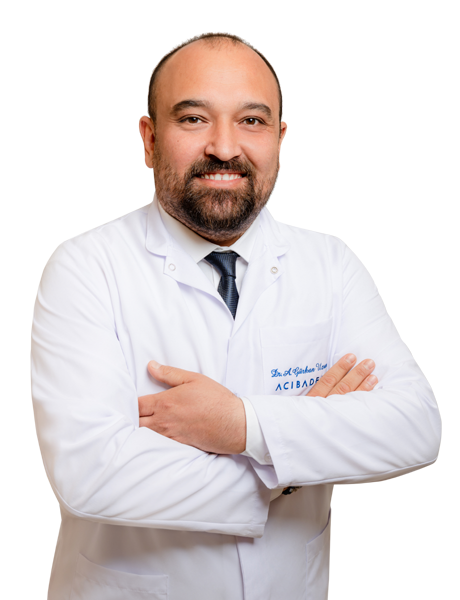
![AHMET GÜRKAN UZUN, M.D.]() AHMET GÜRKAN UZUN, M.D.
General Surgery
Book an Appointment
AHMET GÜRKAN UZUN, M.D.
General Surgery
Book an Appointment
-
![ALİ ŞAHİN, M.D.]() ALİ ŞAHİN, M.D.
General Surgery
Book an Appointment
ALİ ŞAHİN, M.D.
General Surgery
Book an Appointment
-
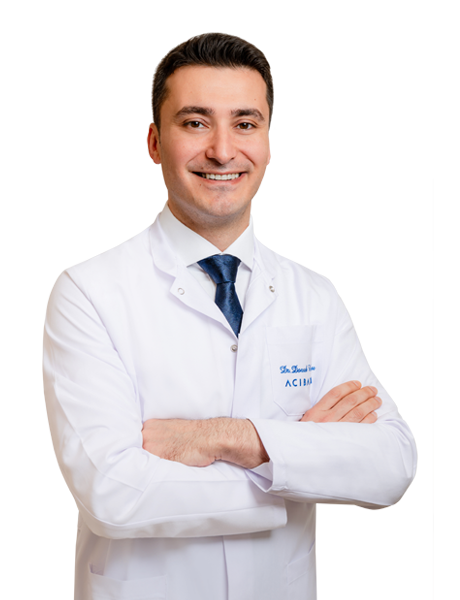
![ALİ DORUK HACIOĞLU, M.D.]() ALİ DORUK HACIOĞLU, M.D.
General Surgery
Book an Appointment
ALİ DORUK HACIOĞLU, M.D.
General Surgery
Book an Appointment
-
![ARMAĞAN ÖZEL, M.D.]() ARMAĞAN ÖZEL, M.D.
General Surgery
Book an Appointment
ARMAĞAN ÖZEL, M.D.
General Surgery
Book an Appointment
-
![BERKHAN SAVAŞÇIN, M.D.]() BERKHAN SAVAŞÇIN, M.D.
General Surgery
Book an Appointment
BERKHAN SAVAŞÇIN, M.D.
General Surgery
Book an Appointment
-
![BİROL ESEN, M.D.]() BİROL ESEN, M.D.
General Surgery
Book an Appointment
BİROL ESEN, M.D.
General Surgery
Book an Appointment
-
![BURAK KUTLU, M.D.]() BURAK KUTLU, M.D.
General Surgery
Book an Appointment
BURAK KUTLU, M.D.
General Surgery
Book an Appointment
-
![CAHİDE İNCİ KURTUL, M.D.]() CAHİDE İNCİ KURTUL, M.D.
General Surgery
Book an Appointment
CAHİDE İNCİ KURTUL, M.D.
General Surgery
Book an Appointment
-
![CEZMİ KARACA, M.D.]() CEZMİ KARACA, M.D.
General Surgery
Book an Appointment
CEZMİ KARACA, M.D.
General Surgery
Book an Appointment
-
![ÇİĞDEM BENLİCE, M.D.]() ÇİĞDEM BENLİCE, M.D.
General Surgery
Book an Appointment
ÇİĞDEM BENLİCE, M.D.
General Surgery
Book an Appointment
-
![DOĞUŞ DURMUŞ, M.D.]() DOĞUŞ DURMUŞ, M.D.
General Surgery
Book an Appointment
DOĞUŞ DURMUŞ, M.D.
General Surgery
Book an Appointment
-
![EBRU ÖZDEMİR, M.D.]() EBRU ÖZDEMİR, M.D.
General Surgery
Book an Appointment
EBRU ÖZDEMİR, M.D.
General Surgery
Book an Appointment
-
![EMEL ÖZVERİ, M.D.]() EMEL ÖZVERİ, M.D.
General Surgery
Book an Appointment
EMEL ÖZVERİ, M.D.
General Surgery
Book an Appointment
-
![ENGİN ALTUNKAYA, M.D.]() ENGİN ALTUNKAYA, M.D.
General Surgery
Book an Appointment
ENGİN ALTUNKAYA, M.D.
General Surgery
Book an Appointment
-
![ERTUĞRUL YALTI, M.D.]() ERTUĞRUL YALTI, M.D.
General Surgery
Book an Appointment
ERTUĞRUL YALTI, M.D.
General Surgery
Book an Appointment
-
![FAHRİ GÜVEN, M.D.]() FAHRİ GÜVEN, M.D.
General Surgery
Book an Appointment
FAHRİ GÜVEN, M.D.
General Surgery
Book an Appointment
-
![FATİH KAYA, M.D.]() FATİH KAYA, M.D.
General Surgery
Book an Appointment
FATİH KAYA, M.D.
General Surgery
Book an Appointment
-
![FERHAT ERDEM UĞRAŞ, M.D.]() FERHAT ERDEM UĞRAŞ, M.D.
General Surgery
Book an Appointment
FERHAT ERDEM UĞRAŞ, M.D.
General Surgery
Book an Appointment
-
![GÖKSEL SEÇKİN, M.D.]() GÖKSEL SEÇKİN, M.D.
General Surgery
Book an Appointment
GÖKSEL SEÇKİN, M.D.
General Surgery
Book an Appointment
-
![GÜLDEN CANCAN, M.D.]() GÜLDEN CANCAN, M.D.
General Surgery
Book an Appointment
GÜLDEN CANCAN, M.D.
General Surgery
Book an Appointment
-
![HÜSEYİN GÜNEY, M.D.]() HÜSEYİN GÜNEY, M.D.
General Surgery
Book an Appointment
HÜSEYİN GÜNEY, M.D.
General Surgery
Book an Appointment
-
![İBRAHİM KAVAK, M.D.]() İBRAHİM KAVAK, M.D.
General Surgery
Book an Appointment
İBRAHİM KAVAK, M.D.
General Surgery
Book an Appointment
-
 İSMAİL ÇALIKOĞLU, M.D.
General Surgery
Book an Appointment
İSMAİL ÇALIKOĞLU, M.D.
General Surgery
Book an Appointment
-
![İSMAİL TAMER, M.D.]() İSMAİL TAMER, M.D.
General Surgery
Book an Appointment
İSMAİL TAMER, M.D.
General Surgery
Book an Appointment
-
![JİRAYR AĞAZARYAN, M.D.]() JİRAYR AĞAZARYAN, M.D.
General Surgery
Book an Appointment
JİRAYR AĞAZARYAN, M.D.
General Surgery
Book an Appointment
-
MEHMET TEKİNEL, M.D.
General Surgery
Book an Appointment
-
![MEHMET FATİH KORKMAZ, M.D.]() MEHMET FATİH KORKMAZ, M.D.
General Surgery
Book an Appointment
MEHMET FATİH KORKMAZ, M.D.
General Surgery
Book an Appointment
-
![MUSTAFA TANIDIR, M.D.]() MUSTAFA TANIDIR, M.D.
General Surgery
Book an Appointment
MUSTAFA TANIDIR, M.D.
General Surgery
Book an Appointment
-
![NECAT ALMALI, M.D.]() NECAT ALMALI, M.D.
General Surgery
Book an Appointment
NECAT ALMALI, M.D.
General Surgery
Book an Appointment
-
![NİHAT AĞAR, M.D.]() NİHAT AĞAR, M.D.
General Surgery
Book an Appointment
NİHAT AĞAR, M.D.
General Surgery
Book an Appointment
-
![NIZAMI GAHRAMANOV, M.D.]() NIZAMI GAHRAMANOV, M.D.
General Surgery
Book an Appointment
NIZAMI GAHRAMANOV, M.D.
General Surgery
Book an Appointment
-
![OKAY MEHMET ERGENOĞLU, M.D.]() OKAY MEHMET ERGENOĞLU, M.D.
General Surgery
Book an Appointment
OKAY MEHMET ERGENOĞLU, M.D.
General Surgery
Book an Appointment
-
![ORKHAN VERDIYEV, M.D.]() ORKHAN VERDIYEV, M.D.
General Surgery
Book an Appointment
ORKHAN VERDIYEV, M.D.
General Surgery
Book an Appointment
-
![RAİF ORHAN, M.D.]() RAİF ORHAN, M.D.
General Surgery
Book an Appointment
RAİF ORHAN, M.D.
General Surgery
Book an Appointment
-
![RASIM FARAJOV, M.D.]() RASIM FARAJOV, M.D.
General Surgery
Book an Appointment
RASIM FARAJOV, M.D.
General Surgery
Book an Appointment
-
![SEMRA DEMİRLİ ATICI, M.D.]() SEMRA DEMİRLİ ATICI, M.D.
General Surgery
Book an Appointment
SEMRA DEMİRLİ ATICI, M.D.
General Surgery
Book an Appointment
-
![SIRRI ÖZKAN, M.D.]() SIRRI ÖZKAN, M.D.
General Surgery
Book an Appointment
SIRRI ÖZKAN, M.D.
General Surgery
Book an Appointment
-
![TOLGA HÜNER, M.D.]() TOLGA HÜNER, M.D.
General Surgery
Book an Appointment
TOLGA HÜNER, M.D.
General Surgery
Book an Appointment
-
![TUNA YILDIRIM, M.D.]() TUNA YILDIRIM, M.D.
General Surgery
Book an Appointment
TUNA YILDIRIM, M.D.
General Surgery
Book an Appointment
-
![TUNCER BABÜR, M.D.]() TUNCER BABÜR, M.D.
General Surgery
Book an Appointment
TUNCER BABÜR, M.D.
General Surgery
Book an Appointment
-
![TÜRKER ERTÜRK, M.D.]() TÜRKER ERTÜRK, M.D.
General Surgery
Book an Appointment
TÜRKER ERTÜRK, M.D.
General Surgery
Book an Appointment
-
![VUGAR ISMAYILOV, M.D.]() VUGAR ISMAYILOV, M.D.
General Surgery
Book an Appointment
VUGAR ISMAYILOV, M.D.
General Surgery
Book an Appointment
-
![NİLÜFER YILDIRIM (G), M.D.]() NİLÜFER YILDIRIM (G), M.D.
General Surgery
Book an Appointment
NİLÜFER YILDIRIM (G), M.D.
General Surgery
Book an Appointment
-
![Physiotherapist GİZEM ÖZTÜRK]() Physiotherapist GİZEM ÖZTÜRK
General Surgery
Book an Appointment
Physiotherapist GİZEM ÖZTÜRK
General Surgery
Book an Appointment































Medical Technologies
Hospitals
-
![Adana Hospital]() Adana Hospital
Adana Hospital -
![Altunizade Hospital]() Altunizade Hospital
Altunizade Hospital -
![Ankara Hospital]() Ankara Hospital
Ankara Hospital -
![Atakent Hospital]() Atakent Hospital
Atakent Hospital -
![Ataşehir Hospital]() Ataşehir Hospital
Ataşehir Hospital -
![Ataşehir Outpatient Clinic]() Ataşehir Outpatient Clinic
Ataşehir Outpatient Clinic -
![Bağdat Outpatient Clinic]() Bağdat Outpatient Clinic
Bağdat Outpatient Clinic -
![Bakırköy Hospital]() Bakırköy Hospital
Bakırköy Hospital -
![Beylikdüzü Surgical Outpatient Clinic]() Beylikdüzü Surgical Outpatient Clinic
Beylikdüzü Surgical Outpatient Clinic -
![Bodrum Hospital]() Bodrum Hospital
Bodrum Hospital -
![Bodrum Outpatient Clinic]() Bodrum Outpatient Clinic
Bodrum Outpatient Clinic -
![Bursa Hospital]() Bursa Hospital
Bursa Hospital -
![Eskişehir Hospital]() Eskişehir Hospital
Eskişehir Hospital -
![Etiler Outpatient Clinic]() Etiler Outpatient Clinic
Etiler Outpatient Clinic -
![Fulya Hospital]() Fulya Hospital
Fulya Hospital -
![Göktürk Outpatient Clinic]() Göktürk Outpatient Clinic
Göktürk Outpatient Clinic -
![International Hospital]() International Hospital
International Hospital -
![İzmir Kent Hospital]() İzmir Kent Hospital
İzmir Kent Hospital -
![Kadıköy (Dr. Şinasi Can) Hospital]() Kadıköy (Dr. Şinasi Can) Hospital
Kadıköy (Dr. Şinasi Can) Hospital -
![Kartal Hospital]() Kartal Hospital
Kartal Hospital -
![Kayseri Hospital]() Kayseri Hospital
Kayseri Hospital -
![Kozyatağı Hospital]() Kozyatağı Hospital
Kozyatağı Hospital -
![Maslak Hospital]() Maslak Hospital
Maslak Hospital -
![Taksim Hospital]() Taksim Hospital
Taksim Hospital -
![Zekeriyaköy Outpatient Clinic]() Zekeriyaköy Outpatient Clinic
Zekeriyaköy Outpatient Clinic