FOR INTERNATIONAL PATIENTS








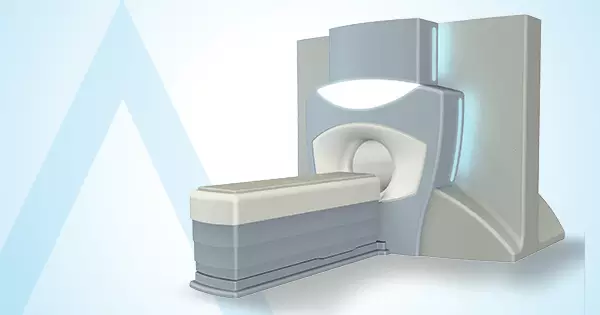




In Interventional Radiology units, diseased body organs or systemic diseases are diagnosed and treated with imaging-guided (ultrasound, computerized tomography, X-rays, magnetic resonance imaging) minimally invasive techniques as an alternative to surgical procedures.
Diagnostic and Therapeutic Services in Interventional Radiology Department
Following methods are used at diagnosis and treatment phases at Interventional Radiology Departments;
- Vascular Interventional Methods
- Angiogram
- Balloon angioplasty/stent implantation
- Embolization
- Thrombolysis/Thrombectomy
- Chemoembolization/Radioembolization
- Dialysis and venous access
- Placement of Vena Cava filter
- Endovenous laser/radiofrequency therapies
- Treatment of myomas in women
- Treatment of enlarged prostate in men
- Management of congenital/acquired vascular malformations and hemangiomas
- Transjugular Intrahepatic Portosystemic Shunt (TIPS)
- Removal of foreign body
- Treatment of chronic pelvic pain or varicocele
- Venous Sampling
- Non-vascular Interventional Procedures
- Biopsy
- Drainage
- Treatment of tumor (ablation)
- Marking
- Hepatobiliary procedures
- Urinary System Procedures
Vascular Interventional Methods
Vascular methods include procedures related to both arteries and veins. Generally, these diseases that involve all vessels of body (aorta, arteries of legs, arms, liver, bowel, kidneys, neck, brain etc.), except arteries and veins of heart (coronary artery and veins), can be treated with these methods.
Angiogram
This invasive diagnostic method requires puncturing any blood vessel and instillation of a contrast agent or a tracer. Imaging of arteries is called arteriogram while venogram implies visualization of veins. Iodine-based drugs are most commonly used contrast agents or tracers, while it is possible to conduct imaging tests with CO2 (carbon dioxide) for patients with renal dysfunction under certain circumstances.
Balloon angioplasty/stent implantation
In this method, stenoses (narrowing) or occlusions in vessels are dilated with balloons that vary in diameters and features. In addition to balloon angioplasty, permanent or temporary stents (medical prosthesis like metal tubes or cages) are inserted into vessels with similar methods.
In this way, many diseases such as aortic aneurysms, dissections (rupture of vascular walls), aneurysms in any other blood vessel, stenoses and occlusions in blood vessels of legs, arms, head and neck as well as renal arteries and mesenteric artery and stenoses and occlusions of dialysis fistulas can be treated with minimally invasive approach.
Various devices have been developed along with technological advancements for treatment of these diseases and they are used for various indications. Drug-eluting balloons and stents, bioabsorbable stents, fabric-coated stents (stent-grafts), very long balloons, large bore stents and endovascular sonography devices are examples of such devices.
Embolization
The procedure is performed to occlude feeders of a region or an organ, where abnormal vascular formation is present, temporarily or permanently with endovascular methods.
These purposes include treatment of tumor, cessation of bleeding, management of aneurysms, preventing enlargement of organs or reducing enlarged organ or diseased region (myoma embolization or prostate embolization), reducing vascularization before a surgery to decrease the risk of bleeding and reducing vascular malformation.
While life-saving procedures can be performed for conditions like life-threatening bleedings, many procedures can be carried out before surgery, to assist surgery or as an alternative to surgery.
Thrombolysis/Thrombectomy
This procedure is used for breaking up blood clots in vessels using drugs or some mechanical devices (thrombolysis) and/or fragmenting and removing them outside the vessel (thrombectomy). Therefore, function of the organ fed by the vessel can be protected or potential damages can be regressed.
Chemoembolization/Radioembolization
These methods are commonly used especially in management of tumors in liver and bile ducts. The method enables advancing through vessels that feed the tumor and instilling chemotherapy drugs (chemoembolization) or high dose of radiation (radioembolisation) to tumor bed.
Thus, efficiency of treatment is maximized at the target, while side effects are minimized.
Dialysis and venous access
Temporary or permanent dialysis catheters can be placed for dialysis procedure and stenosis or occlusions of dialysis fistulas can be treated. Moreover, central venous catheters or venous ports can be inserted under guidance of imaging studies for various purposes (chemotherapy, intravenous feeding, long-term intravenous drug administration, bone marrow/stem cell transplant etc.).
Placement of Vena Cava filter
A filter (that looks like an umbrella) is temporarily or permanently placed in vena cava – the major vein of body - to prevent pulmonary embolism (clot migration to lungs) that occurs due to deep vein thrombosis and can cause death. Thus, blood flow is not hindered, while the fragments detaching from clots in veins of legs can be caught by the filter.
Endovenous laser/radiofrequency therapies
Insufficiencies in superficial veins of legs and resultant varicose diseases can be treated with endovenous laser/radiofrequency and most of the patients can be treated without a surgical procedure.
Treatment of myomas in women
A certain part of myomas that were surgically treated for years can, recently, reduced using angiographic invasive procedures and complaints such as pain and bleeding can be alleviated.
Treatment of enlarged prostate in men
It is possible to decrease prostatic volume and eliminate complaints of patients, after arteries that feed the prostate gland are embolized.
Management of congenital/acquired vascular malformations and hemangiomas
Congenital or acquired (secondary to trauma, surgery etc.) vascular malformations which develop in any body part and accompanying benign tumors can be treated in sessions by combining intra- and extravascular technique with a multidisciplinary approach.
Transjugular Intrahepatic Portosystemic Shunt (TIPS)
The main cause of life-threatening bleedings and fluid collection in abdominal cavity (ascites) - both arising out of varicose veins located in and around stomach and esophagus secondary to cirrhosis of liver - is increased pressure in veins that carry blood from bowels to liver, called portal veins (portal hypertension).
Portal hypertension can be reduced by creating a bridge between two veins that are not communicating in liver under normal circumstances and placing a stent at this location in order to alleviate or eliminate cirrhosis-related signs, such as bleeding and ascites.
This method can partially improve hepatic functions.
Removal of foreign body
Certain materials (mostly medical devices) migrates to somewhere other than the intended body part while or after they are placed into a blood vessel and then, they are grasped with various intravascular lasso and removed.
It is mostly secondary to transposition of broken or detached part of venous ports or various catheters as well as certain endovascular materials (stent, balloon, microcoil etc.). Alternatives of these procedures are usually major and risky surgical procedures.
Treatment of chronic pelvic pain or varicocele
Reproductive or sexual functions may impair due to dilatation of veins that are located in the lower part of abdominal cavity (pelvis); such disorders can be treated with embolization of dilated veins.
Venous Sampling
Venous blood samples are drawn from the veins, where certain hormones are secreted into, in order to locate hormone-secreting tumors of endocrine organs (adrenal gland, pancreas, pituitary gland etc.) that can be clearly visualized using imaging modalities.
Non-vascular Interventional Procedures
Biopsy
Imaging-guided biopsy of many body organs and tissues (lung, liver, kidney, pancreas, thyroid, breast, bone, lymph node etc.) not only helps the diagnosis, but also ensures that most procedures are carried out within a short time with a reduced risk under local anesthesia. Thus, the risk of vascular injuries and resultant hemorrhages can be reduced.
Drainage
Drainage of fluid or inflammatory material that accumulate secondary to various infections of abdominal and chest cavities, traumas or surgeries may save life, but it also makes great contribution to recovery of the existing disease or the medical process in most times.
Treatment of tumor (ablation)
Needles and probes that vary in size are used to burn (radiofrequency or microwave ablation) or freeze tumors of many organs, including but not limited to liver, lung, kidney, breast, thyroid gland and bone; here, there are some limitations on size and number of tumors.
Marking
Various markers (microcoil, wire, radioactive agent etc.) are used to mark the suspected lumps or areas in tissues or organs or the intended body part of radiation therapy or to guide surgery or radiotherapy.
Hepatobiliary procedures
Obstructions in intrahepatic ducts, bile ducts and gallbladder secondary to benign or malignant tumors are dilated by catheters or stents and stones are fragmented or removed using various devices.
The underlying diseases include stones and sludge in bile ducts, stenosis secondary to surgeries, cancers and liver transplants, bile leakages, pancreatic tumors or certain congenital disorders.
Urinary System Procedures
Stenotic and obstructed segments of kidneys and urinary bladder (secondary to tumor, stone, trauma or surgery) are expanded using catheters or stents.


Doctors
-
![Prof. BORA PEYNİRCİOĞLU, M.D.]() Prof. BORA PEYNİRCİOĞLU, M.D.
Interventional Radiology
Prof. BORA PEYNİRCİOĞLU, M.D.
Interventional Radiology
 Book an Appointment
-
![Prof. CAN ÇALIŞKAN, M.D.]() Prof. CAN ÇALIŞKAN, M.D.
Interventional Radiology
Book an Appointment
Prof. CAN ÇALIŞKAN, M.D.
Interventional Radiology
Book an Appointment
-
![Prof. ERKAN YILDIRIM, M.D.]() Prof. ERKAN YILDIRIM, M.D.
Interventional Radiology
Book an Appointment
Prof. ERKAN YILDIRIM, M.D.
Interventional Radiology
Book an Appointment
-
![Prof. FİLİZ SAÇAN, M.D.]() Prof. FİLİZ SAÇAN, M.D.
Interventional Radiology
Book an Appointment
Prof. FİLİZ SAÇAN, M.D.
Interventional Radiology
Book an Appointment
-
![Prof. KORAY GÜVEN, M.D.]() Prof. KORAY GÜVEN, M.D.
Interventional Radiology
Book an Appointment
Prof. KORAY GÜVEN, M.D.
Interventional Radiology
Book an Appointment
-
![Prof. MUSTAFA PARILDAR, M.D.]() Prof. MUSTAFA PARILDAR, M.D.
Interventional Radiology
Book an Appointment
Prof. MUSTAFA PARILDAR, M.D.
Interventional Radiology
Book an Appointment
-
![Prof. MUZAFFER OLCAY ÇİZMELİ, M.D.]() Prof. MUZAFFER OLCAY ÇİZMELİ, M.D.
Interventional Radiology
Book an Appointment
Prof. MUZAFFER OLCAY ÇİZMELİ, M.D.
Interventional Radiology
Book an Appointment
-
![Prof. SİMAY A.KARA, M.D.]() Prof. SİMAY A.KARA, M.D.
Interventional Radiology
Book an Appointment
Prof. SİMAY A.KARA, M.D.
Interventional Radiology
Book an Appointment
-
![Prof. TUĞSAN BALLI, M.D.]() Prof. TUĞSAN BALLI, M.D.
Interventional Radiology
Book an Appointment
Prof. TUĞSAN BALLI, M.D.
Interventional Radiology
Book an Appointment
-
![Prof. YURTKURAN SADIKOĞLU, M.D.]() Prof. YURTKURAN SADIKOĞLU, M.D.
Interventional Radiology
Book an Appointment
Prof. YURTKURAN SADIKOĞLU, M.D.
Interventional Radiology
Book an Appointment
-
![Assoc. Prof. ALİ HARMAN, M.D.]() Assoc. Prof. ALİ HARMAN, M.D.
Interventional Radiology
Book an Appointment
Assoc. Prof. ALİ HARMAN, M.D.
Interventional Radiology
Book an Appointment
-
![Assoc. Prof. IŞIL YILDIZ, M.D.]() Assoc. Prof. IŞIL YILDIZ, M.D.
Interventional Radiology
Book an Appointment
Assoc. Prof. IŞIL YILDIZ, M.D.
Interventional Radiology
Book an Appointment
-
![ELİDOR AGOLLİ, M.D.]() ELİDOR AGOLLİ, M.D.
Interventional Radiology
Book an Appointment
ELİDOR AGOLLİ, M.D.
Interventional Radiology
Book an Appointment
-
![OĞUZ ASLAN, M.D.]() OĞUZ ASLAN, M.D.
Interventional Radiology
Book an Appointment
OĞUZ ASLAN, M.D.
Interventional Radiology
Book an Appointment
-
![RECEP ÖZGÜR, M.D.]() RECEP ÖZGÜR, M.D.
Interventional Radiology
Book an Appointment
RECEP ÖZGÜR, M.D.
Interventional Radiology
Book an Appointment



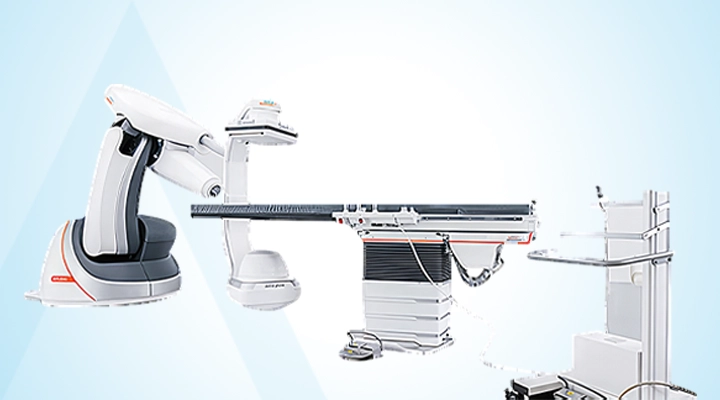
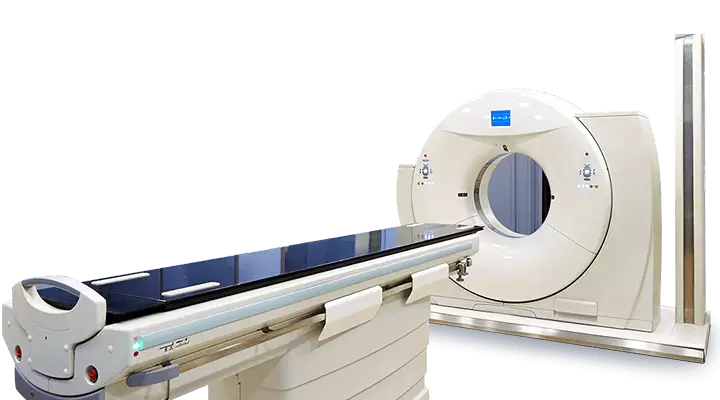
Medical Technologies
Hospitals
-
![Adana Hospital]() Adana Hospital
Adana Hospital -
![Altunizade Hospital]() Altunizade Hospital
Altunizade Hospital -
![Atakent Hospital]() Atakent Hospital
Atakent Hospital -
![Ataşehir Hospital]() Ataşehir Hospital
Ataşehir Hospital -
![Bodrum Hospital]() Bodrum Hospital
Bodrum Hospital -
![Bursa Hospital]() Bursa Hospital
Bursa Hospital -
![Fulya Hospital]() Fulya Hospital
Fulya Hospital -
![İzmir Kent Hospital]() İzmir Kent Hospital
İzmir Kent Hospital -
![Kayseri Hospital]() Kayseri Hospital
Kayseri Hospital -
![Maslak Hospital]() Maslak Hospital
Maslak Hospital