FOR INTERNATIONAL PATIENTS












What is Cardiology?
Cardiology is a medical specialty that deals with the diagnosis, treatment and prevention of diseases of the heart and circulatory system, such as heart attack, heart failure and coronary artery disease. Cardiologists treat cardiovascular problems such as heart attacks, arrhythmias, heart failure and blockages in blood vessels and provide recommendations for maintaining heart health. Ensuring healthy heart function is of great importance for overall quality of life and longevity.
Cardiovascular diseases are the most common cause of death worldwide and are responsible for approximately 17.9 million deaths each year, according to the World Health Organization. Ischemic heart disease, one of the most common diseases, affects 1 in 3 adults worldwide and causes approximately 49% of cardiovascular-related deaths.
Stroke, the second most common cause of death, affects 12.2 million people each year and can lead to permanent disability. Hypertension is a health problem for 1.28 billion adults worldwide and is a major risk factor for serious conditions such as heart attack and heart failure. Chronic conditions such as heart failure (64 million people) and atrial fibrillation (37.6 million people) also increase the burden of cardiovascular disease.
What Does Cardiology Look At?
Cardiology deals with the diagnosis, treatment and follow-up of diseases that occur in the heart and cardiovascular systems. These include heart attack, hypertension, arrhythmias, heart failure, valve diseases and congenital heart diseases.
Cardiologists detect diseases using diagnostic methods such as electrocardiography (ECG), echocardiography, and angiography and manage the treatment process with drug therapies, lifestyle changes, or interventional procedures.
It also focuses on disease prevention by combating risk factors that affect heart health, such as obesity, diabetes, smoking, and high cholesterol. Cardiology has a close relationship with many medical disciplines, especially cardiovascular surgery (CVS). Conditions such as ischemic heart disease, valvular heart disease, and congenital heart defects, in particular, require the collaboration of cardiologists with surgeons.
Cardiologists diagnose the disease and determine treatment options using advanced imaging techniques and interventional procedures. Surgeons intervene with more invasive treatments such as open-heart surgery, bypass procedures, or valve repairs.
The Cardiology department deals with the following diseases:
What are Cardiology Diseases?
Cardiology diseases cover various health problems affecting the cardiovascular system. The most common cardiological diseases include coronary artery disease (blockages in the arteries), heart attack, heart failure, hypertension (high blood pressure), arrhythmia (rhythm disturbances), valve diseases and cardiomyopathy (heart muscle diseases). In addition, congenital heart diseases and vascular disorders such as aortic aneurysms are among the main diseases that cardiology deals with.
Diseases that fall under the scope of cardiology include:
- Coronary artery disease (blockages in the arteries),
- Heart attack (myocardial infarction),
- Heart failure,
- Hypertension (high blood pressure),
- Arrhythmia (heart rhythm disturbances),
- Heart valve diseases,
- Cardiomyopathy (heart muscle diseases),
- Congenital heart diseases,
- Aortic aneurysm (widening of the aorta),
- Pericarditis (inflammation of the heart membrane).
Coronary Artery Disease
Coronary artery disease is a disease caused by the narrowing or blockage of the heart arteries. CAD can increase the risk of heart attack and lead to serious heart problems.
Hypertension (High Blood Pressure)
This is a condition in which blood pressure is persistently high. High blood pressure is one of the leading risk factors for cardiovascular disease and, if left untreated, can lead to serious health problems such as heart failure.
Heart Rhythm Disorders
Conditions in which the heart beats irregularly or exhibits abnormal rhythms. Arrhythmias can manifest as rapid or irregular heartbeats and increase the risk of heart attack.
Heart Failure
This is a condition in which the heart is unable to pump enough blood to the body due to weakening or dysfunction of the heart muscle. Heart failure is a common condition, especially in the elderly and in individuals with heart disease.
Valvular Heart Diseases
Conditions that prevent the heart from functioning normally are caused by narrowing (stenosis) or leaking (valvular insufficiency) of the heart valves. Valve disease can lead to serious problems that may require heart surgery.
Congenital Heart Diseases
Also known as congenital heart anomalies (congenital heart diseases), these diseases are structural or functional heart problems that are present from birth. Such diseases are usually diagnosed before or during birth and appropriate treatment plans are created.
Peripheral Arterial Diseases
A condition in which blood flow is reduced or stopped due to narrowing or blockage in the arteries of the legs or other extremities. Peripheral artery diseases can lead to serious problems such as circulation problems and gangrene.
What are the Symptoms of Cardiology Diseases?
Symptoms of cardiological diseases generally occur due to dysfunctions in the cardiovascular system. The most common symptoms include chest pain, shortness of breath, palpitations, dizziness, fainting, swelling in the legs, rapid or irregular heartbeat, and extreme fatigue. Symptoms such as chest pain and shortness of breath should be evaluated carefully, as they may be a sign of an emergency.
Common symptoms in cardiological diseases are:
- Chest pain or a feeling of pressure
- Shortness of breath, especially during exertion
- Palpitations or irregular heartbeat
- Dizziness or fainting
- Pain radiating to the arms, shoulders, back, or jaw
- Swelling in the ankles, legs, or abdomen
- Fatigue or weakness, especially during daily activities
- Cold sweat
- Cyanosis or paleness of the skin
- Cough or wheezing when breathing (in cases of heart failure)
- Shortness of breath even at rest or waking up at night
Cardiologic diseases that affect the heart and circulatory system can lead to serious health problems if not diagnosed early. Although symptoms vary depending on the type of disease, some common symptoms may be signs of various heart conditions.
Diagnosis and Tests Performed in the Cardiology Department
A cardiology examination is a medical evaluation process performed to identify health problems related to the cardiovascular system. The topics focused on during this process can be listed as follows:
- Listening to the Patient: Cardiology doctors focus on listening to the patient as the first step of the examination process. At this stage, the person is first asked to explain his/her complaints. The doctor then asks the patient questions to learn about his or her medical history. Based on the answers received, various factors, especially the individual's lifestyle and the risks he or she is exposed to, can be evaluated.
- Physical Examination: After the anamnesis is completed, the physical examination begins. The tests performed at this stage of the examination allow information to be obtained about the general health status of the patient. The physical examination process may include different processes such as listening to the heart rhythm and manual checks.
Various tests are performed in the cardiology department to evaluate cardiovascular health. These tests play a critical role in the diagnosis and treatment of diseases. The most commonly performed tests in cardiology are:
- Electrocardiography (ECG): This records the electrical activity of the heart, providing information about heart rhythm and heart rate, and is used to detect arrhythmias and signs of heart attack.
- Echocardiography: Using ultrasound waves, the structure of the heart, its functioning and the condition of the valves are evaluated, it is important in the diagnosis of heart failure or valve diseases.
- Stress Test (Effort Test): The patient is walked on a treadmill and the heart rhythm, blood pressure and the heart's reactions during exercise are monitored, and it is used to detect vascular blockages and problems that occur during exercise.
- Holter Monitor: This device, worn for 24-48 hours, continuously records the heart rhythm and is effective in detecting temporary arrhythmias and irregularities.
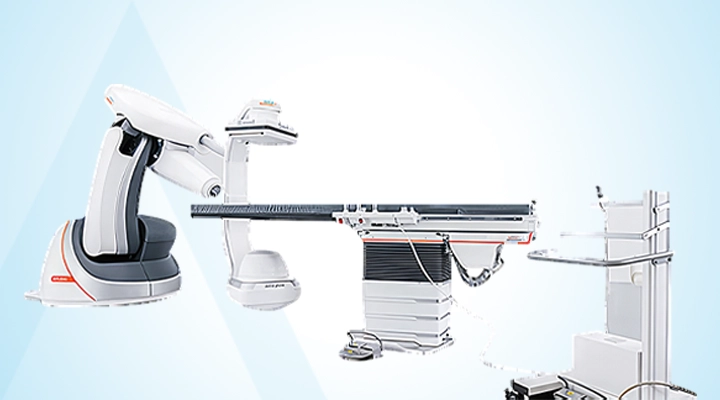
- Angiography (Coronary Angiography): It displays the status of the blood vessels by injecting contrast material into the vein. It is the gold standard for diagnosing blockages such as coronary artery disease.
- Blood Pressure Holter: This monitor records the patient's blood pressure regularly for 24 hours and is important in the evaluation of hypertension.
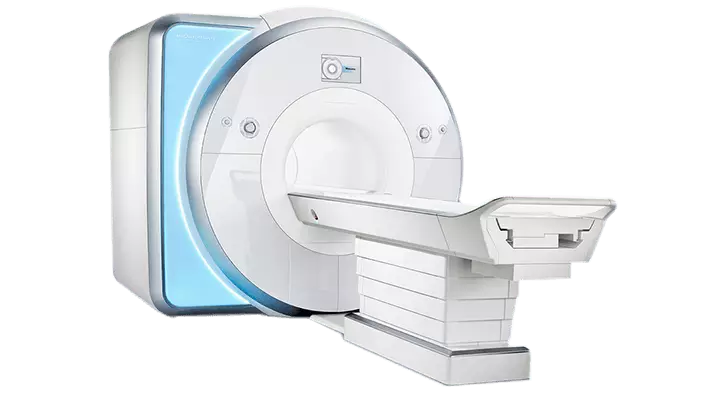
- Magnetic Resonance Imaging (MRI): This scan provides detailed images of the heart's structure and function, helping to evaluate congenital heart diseases, heart muscle diseases, and tumors.
- Computed Tomography (CT) Angiography: This scan is used to examine the coronary arteries in detail, providing information about blockages and vascular structure.
- Blood Tests (Troponin, BNP, etc.): Helps diagnose conditions such as heart attacks by measuring the levels of certain enzymes and proteins in the blood.
- Nuclear Cardiology Tests (Myocardial Perfusion Scintigraphy): Evaluates the blood flow and functioning of the heart using special radioactive substances, providing diagnosis when insufficient blood flows to the heart muscle.
- Photon Counter Computed Tomography: Provides high-resolution images and supports the diagnostic process in the early diagnosis of cardiovascular diseases.
What tests do cardiologists perform?
It varies depending on the health problem that develops in the person. Because cardiologists choose from different options depending on the current situation in order to diagnose and monitor heart and circulatory system diseases.
The following tests are frequently used by doctors working in hospital cardiology departments:
- Electrocardiography: Also known as ECG, this device is used to assess the regularity of heartbeats.
- Echo-Cardiography: ECHO is performed when it is necessary to evaluate the structure, size, muscle mass, thickness and function of the heart.
- Angiography: Detailed images of the heart and vessels can be obtained through angiography, which is an invasive type of test. Imaging is done by injecting dye and using X-rays.
- Magnetic Resonance Imaging and Computed Tomography: MRI and CT are other devices used to take detailed images of the circulatory system.
- Stress Test: The test, which makes it possible to evaluate how the heart responds during exercise, is performed in 2 different ways. Stress testing can be performed during exercise or with medication.
- Holter Monitoring: In some cases, it may be necessary to monitor the heart rhythm for 24 hours or more. For this purpose, a method called Holter monitoring is used. The method makes it possible to evaluate how heart rhythm changes during daily activities.
- Tilt Table Test: This test is performed to understand which factor is causing unexplained fainting attacks.
- Electrophysiology Test: EP is another method used to determine the causes of heart rhythm disorders. The invasive type of test is performed by placing a series of electrodes on the body that are connected to a device that measures the heart rhythm.
How often should a cardiology examination be performed?
The frequency of cardiology examinations may vary depending on various factors.
When creating a schedule for repeat examinations, the following factors are generally considered:
- The Individual's Age and General Health Status: The individual's age and current health status are the two most important criteria in determining examination frequency. Young and healthy people generally do not need regular cardiology checkups. However, as age increases or health status changes, more frequent examinations may be necessary.
- Family History of Heart Disease: If there is a family history of heart disease, especially high blood pressure, the person may need regular examinations. Because there may be a genetic predisposition in the origin of some cardiological diseases.
- Risk Factors: Various risk factors are among the factors that cause frequent repeat cardiology examinations. The factors in question are mainly related to the habits that the person adopts in daily life. Factors such as smoking, heavy alcohol consumption, irregular and unhealthy diet, and low levels of physical activity may lead to the need for regular examinations. When determining risk factors, environmental factors such as constant exposure to bad weather conditions can also be listed.
- Past Heart Problems: People with a history of cardiovascular disease are scheduled for more intensive examinations than healthy individuals. Regular checkups with a doctor are critical for people who have had a heart attack or other heart problems.
To summarize, based on the factors listed above, healthy individuals at low risk can have a cardiology exam once a year. Those at high risk should contact their doctor to obtain the most accurate information on this subject. If you need medical advice on this matter, you can make an appointment at the cardiology department of the nearest Acıbadem Hospital.
Treatment Methods for Cardiological Diseases
Treatment methods for cardiological diseases vary depending on the type and severity of the disease and the patient's general health status. Medication is the most common approach and includes a variety of options, such as blood pressure regulators, blood thinners, or rhythm-modifying medications. Interventional cardiology methods include procedures such as angioplasty, stent placement or balloon application and are performed to relieve vascular blockages.
- Drug therapy: Blood pressure regulators, cholesterol lowering, blood thinners and rhythm regulating drugs are frequently used. These medications are prescribed to halt the progression of the disease or alleviate symptoms.
- Interventional cardiology procedures: Procedures such as angioplasty, stent placement, and balloon placement are performed to open blocked or narrowed arteries.
- Pacemakers and ICD devices: Pacemakers are placed for patients with heart rhythm disturbances, or ICD (implantable cardioverter defibrillator) devices are used to correct sudden arrhythmias.
- Surgical interventions: Surgical procedures such as heart valve repair or replacement and bypass surgery are generally preferred in advanced cases where medications and interventional methods are not sufficient.
- Lifestyle changes: Lifestyle changes such as a healthy diet, regular exercise, smoking cessation, and stress reduction play an important role in controlling the disease.
- Regular follow-up and monitoring: Regular doctor check-ups and tests are critical for monitoring the success of treatment and preventing disease progression in cardiac diseases.
In more advanced cases, devices such as pacemakers and ICD (implantable cardioverter defibrillator) are used. Surgical interventions such as heart valve repair or bypass surgery may also be necessary in some cases. Additionally, lifestyle changes and regular follow-up are an important part of treatment.
What is the Difference Between Cardiovascular Surgery and Cardiology?
Cardiovascular surgery and cardiology are medical specialties that focus on treating health problems related to the circulatory system. Although the topics they focus on are similar, there are details that distinguish the two departments from each other. For example, cardiologists deal with the diagnosis and treatment of heart diseases. For this purpose, mainly non-invasive procedures are applied in the diagnostic process. The treatment process includes taking medication and lifestyle changes.
In contrast, cardiovascular surgeons perform surgical procedures such as heart valve replacement, heart bypass surgery (coronary artery bypass grafting), heart valve repairs, angioplasty and stenting. These procedures are preferred in more severe cases of heart disease or if the patient is unresponsive to cardiological treatments.
Tips for Maintaining Heart Health
Heart disease is considered one of the most common causes of death worldwide. Therefore, maintaining heart health should be a part of daily life at all ages, not just when disease occurs. Cardiologists emphasize the effectiveness of lifestyle changes in preventing heart disease. It is possible to protect heart health in the long term with regular checkups and conscious habits.
Cardiologists frequently recommend heart-healthy lifestyle habits as follows:
- Exercise regularly.
- Stay away from cigarettes and tobacco products.
- Get stress under control.
- Eat a healthy and balanced diet.
- Avoid trans fats and processed foods.
- Consume salt in limited amounts.
- Maintain an ideal weight.
- Limit alcohol consumption.
- Measure your blood pressure regularly.
- Monitor your blood sugar and cholesterol levels.
- Get enough and quality sleep.
- If you have a family history of heart disease, get regular cardiological checkups.
Regular Exercise
Exercising for at least 150 minutes per week supports heart health. For a healthier heart and circulatory system, moderate-intensity exercises such as walking, running, swimming and cycling can be preferred. These exercises can also be supported by a muscle strengthening program that covers at least a few days a week.
Limiting Smoking and Alcohol Consumption
Smoking is one of the habits that increases the risk of heart disease. It is beneficial to stop smoking as it causes many health problems, especially cardiac diseases. Alcohol consumption should also be limited as it can have a similar effect.
Maintaining Height-Weight Balance
Another recommendation cardiologists offer their patients to protect heart health is to maintain a balance between height and weight. In order to maintain ideal weight, a diet that includes low-calorie and high-fiber foods can be followed. To check the balance between height and weight, body mass index can be calculated at regular intervals.
Regular Medical Checkups
Regular visits to the doctor and checkups allow potential heart problems to be detected at an early stage. Heart health can be monitored through blood sample tests and pressure measurements.
Regular Medication Use
Chronic health problems such as diabetes, high blood pressure, and cholesterol require regular medication use. Taking the medications recommended by the cardiologist on time and in the correct dose has a positive effect on heart health.
Foods That Are Good for the Heart
Healthy nutrition, which is among the heart-healthy and heart-healthy recommendations, should be discussed in a separate section. In this context, the following foods can be included in your daily diet:
- Fruits and Vegetables: Vegetables such as carrots, zucchini, broccoli, and spinach, especially leafy greens, as well as fruits such as strawberries, kiwi, oranges, apples, and avocados, can be included in your daily diet. The fruits and vegetables in question are rich in antioxidants, fiber, vitamins and minerals.
- Whole Grains: Oats, whole wheat, brown rice, bulgur are beneficial for heart health. Whole grain products with high fiber content contain various vitamins, minerals and antioxidants.
- Fish: Fish varieties are among the foods that can be consumed regularly to support heart health. Species such as salmon, sardines and anchovies are ideal options for the intake of Omega-3 fatty acids into the body.
- Dried Legumes: Beans, chickpeas, lentils and many other types of dried legumes have ingredients that will help keep blood levels balanced. Such foods can be added to the daily consumption routine to maintain ideal levels of fiber, protein, vitamins and mineral intake.
- Milk and Dairy Products: Regular protein and calcium intake is important to maintain heart health. These substances can be introduced into the body by consuming fat-free or low-fat dairy products.
- Healthy Oils: Vegetable oils such as olive, canola, and hazelnut have a heart-healthy effect because each is rich in unsaturated fatty acids.
- Red Meat Alternatives: To protect heart health, chicken and turkey can be consumed instead of red meat.
- Nuts and Seeds: Almonds, walnuts, hazelnuts, peanuts, chia and flax seeds are high fiber, protein and antioxidant rich food products. Consuming them within daily limits can help protect heart health and stay fit.
How Should Heart Patients Eat?
Heart patients should adopt a diet that supports heart health. Low-fat and low-salt foods should be preferred; Red meat, butter, and full-fat dairy products, which are high in saturated fat, should be limited.
Fiber-rich vegetables, fruits, whole grains and legumes should be at the forefront. Consuming fish (especially types like salmon, which contain omega-3 fatty acids) is also beneficial for heart health. Trans fats, processed foods, and excessive sugar consumption should be avoided. Additionally, attention should be paid to water consumption and ideal portion sizes should not be exceeded.
Key dietary habits that heart patients should consider include:
- Limiting saturated fat and trans fat intake
- Consuming fish rich in omega-3 fatty acids (at least twice a week)
- Reducing daily salt intake (under 5 grams per day)
- Choosing fiber-rich whole grains
- Increasing fruit and vegetable intake (at least 5 servings per day)
- Limiting sugar and refined carbohydrate intake
- Using healthy fats like olive oil
- Choosing white meat or plant-based proteins over red meat
- Limiting or completely avoiding alcohol consumption
- Regularizing daily fluid intake (increasing water intake)
- Controlling portions and avoiding overeating
Frequently Asked Questions About the Cardiology Department
What does cardiology mean?
Cardiology is the branch of medicine that studies heart and vascular diseases. It covers diagnosis and treatments related to heart rhythm, circulatory system and vascular health.
What diseases does cardiology treat?
Cardiology deals with heart-related diseases such as heart attack, rhythm disturbances, and hypertension. It also monitors vascular occlusions and heart valve diseases.
Which department is cardiology?
Cardiology is a specialty within internal medicine. It is usually chosen as a subspecialty after internal medicine.
How is a cardiology examination performed?
Cardiology examination is performed by evaluating the patient's heart functions such as blood pressure, pulse, and ECG. Echocardiography and stress tests may be performed if necessary.
Does cardiology look at varicose veins?
Cardiology generally deals with diseases related to the deep venous system, but varicose veins are a direct area of vascular surgery. For this reason, cardiovascular surgery is more suitable for varicose veins.
What is Cardiology ECHO?
Cardiology ECHO is an echocardiography procedure known as heart ultrasound. Displays the structure and function of heart valves and muscle.
What is the difference between cardiology and cardiovascular surgery?
While cardiology focuses on heart and vascular diseases that are treated with medication, cardiovascular surgery looks at conditions that require surgical correction. So, one is an internal discipline and the other is a surgical discipline.
What does a cardiologist examine?
A cardiologist monitors diseases such as heart rhythm disorders, hypertension and heart failure. They are responsible for diagnosis, treatment planning, and patient education.
Does cardiology require blood tests?
Cardiology frequently requests blood tests for diagnosis and follow-up. Particularly troponin, cholesterol and electrolyte levels are important.
What is done during a cardiology examination?
During a cardiology examination, the patient's heart sounds are listened to, blood pressure is measured, and an ECG is taken. When necessary, an echocardiogram, stress test, and blood tests are requested.
What is a cardiology consultation?
A cardiology consultation is when another doctor requests a cardiologist's opinion to evaluate a patient's heart. It is frequently used before surgery or in patients at risk.
What is echocardiography?
ECHO cardiology is an evaluation method performed using cardiac ultrasound. Heart valves, wall movements and pumping power are analyzed with this test.
What does the cardiology department examine?
The cardiology department deals with the diagnosis and treatment of heart and circulatory system diseases. Heart rhythm disorders, heart attack, hypertension and heart valve diseases are the main areas of interest of this department.
For which complaints do you go to the cardiologist?
Cardiology may be consulted with complaints such as chest pain, palpitations, shortness of breath and fainting. Additionally, if there is hypertension monitoring or a family history of heart disease, cardiological evaluation may be necessary.
What is done during a cardiology examination?
Cardiology examination; It begins with listening to the patient's history, physical examination and blood pressure measurement. Diagnostic methods such as ECG, echocardiography (ECHO) and blood tests are also frequently applied.
Why go to the cardiology department?
A cardiology department is visited to monitor the presence of symptoms that threaten heart health or chronic heart diseases. With early diagnosis and correct treatment, serious consequences of heart diseases can be prevented.


Doctors
-
![Prof. AHMET AKYOL, M.D.]() Prof. AHMET AKYOL, M.D.
Cardiology
Prof. AHMET AKYOL, M.D.
Cardiology
 Book an Appointment
-
![Prof. AHMET KARABULUT, M.D.]() Prof. AHMET KARABULUT, M.D.
Cardiology
Book an Appointment
Prof. AHMET KARABULUT, M.D.
Cardiology
Book an Appointment
-
![Prof. AHMET KAYA BİLGE, M.D.]() Prof. AHMET KAYA BİLGE, M.D.
Cardiology
Book an Appointment
Prof. AHMET KAYA BİLGE, M.D.
Cardiology
Book an Appointment
-
![Prof. AHMET OYTUN BAYKAN, M.D.]() Prof. AHMET OYTUN BAYKAN, M.D.
Cardiology
Book an Appointment
Prof. AHMET OYTUN BAYKAN, M.D.
Cardiology
Book an Appointment
-
![Prof. ALEKS DEĞİRMENCİOĞLU, M.D.]() Prof. ALEKS DEĞİRMENCİOĞLU, M.D.
Cardiology
Book an Appointment
Prof. ALEKS DEĞİRMENCİOĞLU, M.D.
Cardiology
Book an Appointment
-
![Prof. ALİ AYDINLAR, M.D.]() Prof. ALİ AYDINLAR, M.D.
Cardiology
Book an Appointment
Prof. ALİ AYDINLAR, M.D.
Cardiology
Book an Appointment
-
![Prof. ALPER ÖZKAN, M.D.]() Prof. ALPER ÖZKAN, M.D.
Cardiology
Book an Appointment
Prof. ALPER ÖZKAN, M.D.
Cardiology
Book an Appointment
-
![Prof. BEKİR SITKI CEBECİ, M.D.]() Prof. BEKİR SITKI CEBECİ, M.D.
Cardiology
Book an Appointment
Prof. BEKİR SITKI CEBECİ, M.D.
Cardiology
Book an Appointment
-
![Prof. BURAK PAMUKÇU, M.D.]() Prof. BURAK PAMUKÇU, M.D.
Cardiology
Book an Appointment
Prof. BURAK PAMUKÇU, M.D.
Cardiology
Book an Appointment
-
![Prof. CAHİDE SOYDAŞ ÇINAR, M.D.]() Prof. CAHİDE SOYDAŞ ÇINAR, M.D.
Cardiology
Book an Appointment
Prof. CAHİDE SOYDAŞ ÇINAR, M.D.
Cardiology
Book an Appointment
-
![Prof. DUHAN FATİH BAYRAK, M.D.]() Prof. DUHAN FATİH BAYRAK, M.D.
Cardiology
Book an Appointment
Prof. DUHAN FATİH BAYRAK, M.D.
Cardiology
Book an Appointment
-
![Prof. ELİF EROĞLU BÜYÜKÖNER, M.D.]() Prof. ELİF EROĞLU BÜYÜKÖNER, M.D.
Cardiology
Book an Appointment
Prof. ELİF EROĞLU BÜYÜKÖNER, M.D.
Cardiology
Book an Appointment
-
![Prof. ENDER SEMİZ, M.D.]() Prof. ENDER SEMİZ, M.D.
Cardiology
Book an Appointment
Prof. ENDER SEMİZ, M.D.
Cardiology
Book an Appointment
-
![Prof. ERCÜMENT YILMAZ, M.D.]() Prof. ERCÜMENT YILMAZ, M.D.
Cardiology
Book an Appointment
Prof. ERCÜMENT YILMAZ, M.D.
Cardiology
Book an Appointment
-
![Prof. ERGÜN SEYFELİ, M.D.]() Prof. ERGÜN SEYFELİ, M.D.
Cardiology
Book an Appointment
Prof. ERGÜN SEYFELİ, M.D.
Cardiology
Book an Appointment
-
![Prof. ERTUĞRUL ZENCİRCİ, M.D.]() Prof. ERTUĞRUL ZENCİRCİ, M.D.
Cardiology
Book an Appointment
Prof. ERTUĞRUL ZENCİRCİ, M.D.
Cardiology
Book an Appointment
-
![Prof. ETHEM KUMBAY, M.D.]() Prof. ETHEM KUMBAY, M.D.
Cardiology
Book an Appointment
Prof. ETHEM KUMBAY, M.D.
Cardiology
Book an Appointment
-
![Prof. GÜLTEKİN KARAKUŞ, M.D.]() Prof. GÜLTEKİN KARAKUŞ, M.D.
Cardiology
Book an Appointment
Prof. GÜLTEKİN KARAKUŞ, M.D.
Cardiology
Book an Appointment
-
![Prof. HALDUN AKGÖZ, M.D.]() Prof. HALDUN AKGÖZ, M.D.
Cardiology
Book an Appointment
Prof. HALDUN AKGÖZ, M.D.
Cardiology
Book an Appointment
-
![Prof. METİN GÜRSÜRER, M.D.]() Prof. METİN GÜRSÜRER, M.D.
Cardiology
Book an Appointment
Prof. METİN GÜRSÜRER, M.D.
Cardiology
Book an Appointment
-
![Prof. MURAT TURFAN, M.D.]() Prof. MURAT TURFAN, M.D.
Cardiology
Book an Appointment
Prof. MURAT TURFAN, M.D.
Cardiology
Book an Appointment
-
![Prof. MURAT SEZER, M.D.]() Prof. MURAT SEZER, M.D.
Cardiology
Book an Appointment
Prof. MURAT SEZER, M.D.
Cardiology
Book an Appointment
-
![Prof. MUSTAFA HAKAN DİNÇKAL, M.D.]() Prof. MUSTAFA HAKAN DİNÇKAL, M.D.
Cardiology
Book an Appointment
Prof. MUSTAFA HAKAN DİNÇKAL, M.D.
Cardiology
Book an Appointment
-
![Prof. MUSTAFA KEMAL BATUR, M.D.]() Prof. MUSTAFA KEMAL BATUR, M.D.
Cardiology
Book an Appointment
Prof. MUSTAFA KEMAL BATUR, M.D.
Cardiology
Book an Appointment
-
![Prof. OSMAN BİLGİN TİMURALP, M.D.]() Prof. OSMAN BİLGİN TİMURALP, M.D.
Cardiology
Book an Appointment
Prof. OSMAN BİLGİN TİMURALP, M.D.
Cardiology
Book an Appointment
-
![Prof. REFİK ERDİM, M.D.]() Prof. REFİK ERDİM, M.D.
Cardiology
Book an Appointment
Prof. REFİK ERDİM, M.D.
Cardiology
Book an Appointment
-
![Prof. SİNAN DAĞDELEN, M.D.]() Prof. SİNAN DAĞDELEN, M.D.
Cardiology
Book an Appointment
Prof. SİNAN DAĞDELEN, M.D.
Cardiology
Book an Appointment
-
![Prof. TANSEL EROL, M.D.]() Prof. TANSEL EROL, M.D.
Cardiology
Book an Appointment
Prof. TANSEL EROL, M.D.
Cardiology
Book an Appointment
-
![Prof. TANSU KARAAHMET, M.D.]() Prof. TANSU KARAAHMET, M.D.
Cardiology
Book an Appointment
Prof. TANSU KARAAHMET, M.D.
Cardiology
Book an Appointment
-
![Prof. SABAHATTİN UMMAN (G), M.D.]() Prof. SABAHATTİN UMMAN (G), M.D.
Cardiology
Book an Appointment
Prof. SABAHATTİN UMMAN (G), M.D.
Cardiology
Book an Appointment
-
![Assoc. Prof. ALPER KARAKUŞ, M.D.]() Assoc. Prof. ALPER KARAKUŞ, M.D.
Cardiology
Book an Appointment
Assoc. Prof. ALPER KARAKUŞ, M.D.
Cardiology
Book an Appointment
-
![Assoc. Prof. CEM KÖZ, M.D.]() Assoc. Prof. CEM KÖZ, M.D.
Cardiology
Book an Appointment
Assoc. Prof. CEM KÖZ, M.D.
Cardiology
Book an Appointment
-
![Assoc. Prof. EMRAH ERDAL, M.D.]() Assoc. Prof. EMRAH ERDAL, M.D.
Cardiology
Book an Appointment
Assoc. Prof. EMRAH ERDAL, M.D.
Cardiology
Book an Appointment
-
![Assoc. Prof. EMRAH ERDOĞAN, M.D.]() Assoc. Prof. EMRAH ERDOĞAN, M.D.
Cardiology
Book an Appointment
Assoc. Prof. EMRAH ERDOĞAN, M.D.
Cardiology
Book an Appointment
-
![Assoc. Prof. ERTUĞRUL EMRE GÜNTÜRK, M.D.]() Assoc. Prof. ERTUĞRUL EMRE GÜNTÜRK, M.D.
Cardiology
Book an Appointment
Assoc. Prof. ERTUĞRUL EMRE GÜNTÜRK, M.D.
Cardiology
Book an Appointment
-
![Assoc. Prof. HAKAN HASDEMİR, M.D.]() Assoc. Prof. HAKAN HASDEMİR, M.D.
Cardiology
Book an Appointment
Assoc. Prof. HAKAN HASDEMİR, M.D.
Cardiology
Book an Appointment
-
![Assoc. Prof. MEHMET FATİH KARAKAŞ, M.D.]() Assoc. Prof. MEHMET FATİH KARAKAŞ, M.D.
Cardiology
Book an Appointment
Assoc. Prof. MEHMET FATİH KARAKAŞ, M.D.
Cardiology
Book an Appointment
-
![Assoc. Prof. MÜJGAN TEK, M.D.]() Assoc. Prof. MÜJGAN TEK, M.D.
Cardiology
Book an Appointment
Assoc. Prof. MÜJGAN TEK, M.D.
Cardiology
Book an Appointment
-
![Assoc. Prof. MURAT TÜMÜKLÜ, M.D.]() Assoc. Prof. MURAT TÜMÜKLÜ, M.D.
Cardiology
Book an Appointment
Assoc. Prof. MURAT TÜMÜKLÜ, M.D.
Cardiology
Book an Appointment
-
![Assoc. Prof. MUSTAFA ZUNGUR, M.D.]() Assoc. Prof. MUSTAFA ZUNGUR, M.D.
Cardiology
Book an Appointment
Assoc. Prof. MUSTAFA ZUNGUR, M.D.
Cardiology
Book an Appointment
-
![Assoc. Prof. MUSTAFA KAPLANGÖRAY, M.D.]() Assoc. Prof. MUSTAFA KAPLANGÖRAY, M.D.
Cardiology
Book an Appointment
Assoc. Prof. MUSTAFA KAPLANGÖRAY, M.D.
Cardiology
Book an Appointment
-
![Assoc. Prof. MUSTAFA AYTEK ŞİMŞEK, M.D.]() Assoc. Prof. MUSTAFA AYTEK ŞİMŞEK, M.D.
Cardiology
Book an Appointment
Assoc. Prof. MUSTAFA AYTEK ŞİMŞEK, M.D.
Cardiology
Book an Appointment
-
![Assoc. Prof. ONUR TAŞAR, M.D.]() Assoc. Prof. ONUR TAŞAR, M.D.
Cardiology
Book an Appointment
Assoc. Prof. ONUR TAŞAR, M.D.
Cardiology
Book an Appointment
-
![Assoc. Prof. SAİM SAĞ, M.D.]() Assoc. Prof. SAİM SAĞ, M.D.
Cardiology
Book an Appointment
Assoc. Prof. SAİM SAĞ, M.D.
Cardiology
Book an Appointment
-
![Assoc. Prof. SEÇKİN SATILMIŞ, M.D.]() Assoc. Prof. SEÇKİN SATILMIŞ, M.D.
Cardiology
Book an Appointment
Assoc. Prof. SEÇKİN SATILMIŞ, M.D.
Cardiology
Book an Appointment
-
![Assoc. Prof. SEDEN ERTEN ÇELİK, M.D.]() Assoc. Prof. SEDEN ERTEN ÇELİK, M.D.
Cardiology
Book an Appointment
Assoc. Prof. SEDEN ERTEN ÇELİK, M.D.
Cardiology
Book an Appointment
-
![Assoc. Prof. SELÇUK GÖRMEZ, M.D.]() Assoc. Prof. SELÇUK GÖRMEZ, M.D.
Cardiology
Book an Appointment
Assoc. Prof. SELÇUK GÖRMEZ, M.D.
Cardiology
Book an Appointment
-
![Assoc. Prof. SENA SERT ŞEKERCİ, M.D.]() Assoc. Prof. SENA SERT ŞEKERCİ, M.D.
Cardiology
Book an Appointment
Assoc. Prof. SENA SERT ŞEKERCİ, M.D.
Cardiology
Book an Appointment
-
![Assist. Prof. FUNDA HELVACIOĞLU, M.D.]() Assist. Prof. FUNDA HELVACIOĞLU, M.D.
Cardiology
Book an Appointment
Assist. Prof. FUNDA HELVACIOĞLU, M.D.
Cardiology
Book an Appointment
-
![Assist. Prof. HİLAL KURTOĞLU GÜMÜŞEL, M.D.]() Assist. Prof. HİLAL KURTOĞLU GÜMÜŞEL, M.D.
Cardiology
Book an Appointment
Assist. Prof. HİLAL KURTOĞLU GÜMÜŞEL, M.D.
Cardiology
Book an Appointment
-
![Assist. Prof. M. ERKAN EKİCİBAŞI, M.D.]() Assist. Prof. M. ERKAN EKİCİBAŞI, M.D.
Cardiology
Book an Appointment
Assist. Prof. M. ERKAN EKİCİBAŞI, M.D.
Cardiology
Book an Appointment
-
![AYDIN AKSOY, M.D.]() AYDIN AKSOY, M.D.
Cardiology
Book an Appointment
AYDIN AKSOY, M.D.
Cardiology
Book an Appointment
-
![AYŞE CENNET SARIMEHMETOĞLU, M.D.]() AYŞE CENNET SARIMEHMETOĞLU, M.D.
Cardiology
Book an Appointment
AYŞE CENNET SARIMEHMETOĞLU, M.D.
Cardiology
Book an Appointment
-
![CAN BURAK ÖZME, M.D.]() CAN BURAK ÖZME, M.D.
Cardiology
Book an Appointment
CAN BURAK ÖZME, M.D.
Cardiology
Book an Appointment
-
![DOĞAÇ ÇAĞLAR GÜRBÜZ, M.D.]() DOĞAÇ ÇAĞLAR GÜRBÜZ, M.D.
Cardiology
Book an Appointment
DOĞAÇ ÇAĞLAR GÜRBÜZ, M.D.
Cardiology
Book an Appointment
-
![EDA TOKUÇCU, M.D.]() EDA TOKUÇCU, M.D.
Cardiology
Book an Appointment
EDA TOKUÇCU, M.D.
Cardiology
Book an Appointment
-
![EGEMEN DUYGU, M.D.]() EGEMEN DUYGU, M.D.
Cardiology
Book an Appointment
EGEMEN DUYGU, M.D.
Cardiology
Book an Appointment
-
![ELMIN IMANOV, M.D.]() ELMIN IMANOV, M.D.
Cardiology
Book an Appointment
ELMIN IMANOV, M.D.
Cardiology
Book an Appointment
-
![ERTUĞRUL MEHMETOĞLU, M.D.]() ERTUĞRUL MEHMETOĞLU, M.D.
Cardiology
Book an Appointment
ERTUĞRUL MEHMETOĞLU, M.D.
Cardiology
Book an Appointment
-
![FAHRİ FATİH TİPİ, M.D.]() FAHRİ FATİH TİPİ, M.D.
Cardiology
Book an Appointment
FAHRİ FATİH TİPİ, M.D.
Cardiology
Book an Appointment
-
![FİKRET MERT ACAR, M.D.]() FİKRET MERT ACAR, M.D.
Cardiology
Book an Appointment
FİKRET MERT ACAR, M.D.
Cardiology
Book an Appointment
-
![HAMED MOGHANCHI ZADEH, M.D.]() HAMED MOGHANCHI ZADEH, M.D.
Cardiology
Book an Appointment
HAMED MOGHANCHI ZADEH, M.D.
Cardiology
Book an Appointment
-
![HÜSEYİN DOĞAN, M.D.]() HÜSEYİN DOĞAN, M.D.
Cardiology
Book an Appointment
HÜSEYİN DOĞAN, M.D.
Cardiology
Book an Appointment
-
![İLKUT ÖZER, M.D.]() İLKUT ÖZER, M.D.
Cardiology
Book an Appointment
İLKUT ÖZER, M.D.
Cardiology
Book an Appointment
-
![MERT PEHLİVAN ALTIN, M.D.]() MERT PEHLİVAN ALTIN, M.D.
Cardiology
Book an Appointment
MERT PEHLİVAN ALTIN, M.D.
Cardiology
Book an Appointment
-
![MUHAMMET BUĞRA KARAASLAN, M.D.]() MUHAMMET BUĞRA KARAASLAN, M.D.
Cardiology
Book an Appointment
MUHAMMET BUĞRA KARAASLAN, M.D.
Cardiology
Book an Appointment
-
![MUSTAFA ERTUĞRUL MERCAN, M.D.]() MUSTAFA ERTUĞRUL MERCAN, M.D.
Cardiology
Book an Appointment
MUSTAFA ERTUĞRUL MERCAN, M.D.
Cardiology
Book an Appointment
-
![NALAN KARADAĞ, M.D.]() NALAN KARADAĞ, M.D.
Cardiology
Book an Appointment
NALAN KARADAĞ, M.D.
Cardiology
Book an Appointment
-
![NAZAN KANAL, M.D.]() NAZAN KANAL, M.D.
Cardiology
Book an Appointment
NAZAN KANAL, M.D.
Cardiology
Book an Appointment
-
![NECATİ ZİNCİRLİ, M.D.]() NECATİ ZİNCİRLİ, M.D.
Cardiology
Book an Appointment
NECATİ ZİNCİRLİ, M.D.
Cardiology
Book an Appointment
-
![OLCAYTO İNCEDERE, M.D.]() OLCAYTO İNCEDERE, M.D.
Cardiology
Book an Appointment
OLCAYTO İNCEDERE, M.D.
Cardiology
Book an Appointment
-
![OSMAN ÖZDABAKOĞLU, M.D.]() OSMAN ÖZDABAKOĞLU, M.D.
Cardiology
Book an Appointment
OSMAN ÖZDABAKOĞLU, M.D.
Cardiology
Book an Appointment
-
![R.KEREM TEMEL, M.D.]() R.KEREM TEMEL, M.D.
Cardiology
Book an Appointment
R.KEREM TEMEL, M.D.
Cardiology
Book an Appointment
-
![REDWAN SEID BUSERY, M.D.]() REDWAN SEID BUSERY, M.D.
Cardiology
Book an Appointment
REDWAN SEID BUSERY, M.D.
Cardiology
Book an Appointment
-
![SAMPRIE OUZOUN, M.D.]() SAMPRIE OUZOUN, M.D.
Cardiology
Book an Appointment
SAMPRIE OUZOUN, M.D.
Cardiology
Book an Appointment
-
![SAVAŞ BEYAZTAŞ, M.D.]() SAVAŞ BEYAZTAŞ, M.D.
Cardiology
Book an Appointment
SAVAŞ BEYAZTAŞ, M.D.
Cardiology
Book an Appointment
-
![ŞENOL COŞKUN, M.D.]() ŞENOL COŞKUN, M.D.
Cardiology
Book an Appointment
ŞENOL COŞKUN, M.D.
Cardiology
Book an Appointment
-
![SERDAR DEĞER, M.D.]() SERDAR DEĞER, M.D.
Cardiology
Book an Appointment
SERDAR DEĞER, M.D.
Cardiology
Book an Appointment
-
![TANSEL YILDIRAN, M.D.]() TANSEL YILDIRAN, M.D.
Cardiology
Book an Appointment
TANSEL YILDIRAN, M.D.
Cardiology
Book an Appointment
-
![TAYFUN AGBULUT, M.D.]() TAYFUN AGBULUT, M.D.
Cardiology
Book an Appointment
TAYFUN AGBULUT, M.D.
Cardiology
Book an Appointment
-
![ULAANKHUU BATGEREL, M.D.]() ULAANKHUU BATGEREL, M.D.
Cardiology
Book an Appointment
ULAANKHUU BATGEREL, M.D.
Cardiology
Book an Appointment
-
![UTKU ŞENOL, M.D.]() UTKU ŞENOL, M.D.
Cardiology
Book an Appointment
UTKU ŞENOL, M.D.
Cardiology
Book an Appointment
-
![YUSUF AKTÜRK, M.D.]() YUSUF AKTÜRK, M.D.
Cardiology
Book an Appointment
YUSUF AKTÜRK, M.D.
Cardiology
Book an Appointment









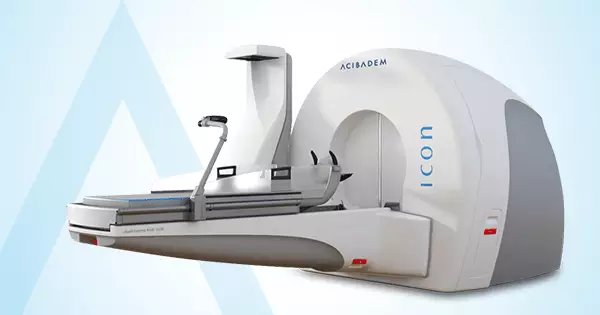
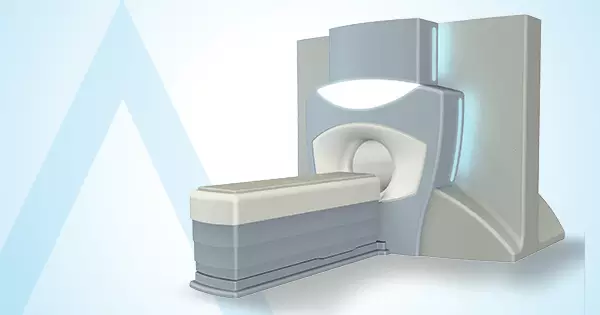
Medical Technologies
Hospitals
-
![Adana Hospital]() Adana Hospital
Adana Hospital -
![Altunizade Hospital]() Altunizade Hospital
Altunizade Hospital -
![Ankara Hospital]() Ankara Hospital
Ankara Hospital -
![Atakent Hospital]() Atakent Hospital
Atakent Hospital -
![Ataşehir Hospital]() Ataşehir Hospital
Ataşehir Hospital -
![Bağdat Outpatient Clinic]() Bağdat Outpatient Clinic
Bağdat Outpatient Clinic -
![Bakırköy Hospital]() Bakırköy Hospital
Bakırköy Hospital -
![Bodrum Hospital]() Bodrum Hospital
Bodrum Hospital -
![Bodrum Outpatient Clinic]() Bodrum Outpatient Clinic
Bodrum Outpatient Clinic -
![Bursa Hospital]() Bursa Hospital
Bursa Hospital -
![Eskişehir Hospital]() Eskişehir Hospital
Eskişehir Hospital -
![Etiler Outpatient Clinic]() Etiler Outpatient Clinic
Etiler Outpatient Clinic -
![Fulya Hospital]() Fulya Hospital
Fulya Hospital -
![Göktürk Outpatient Clinic]() Göktürk Outpatient Clinic
Göktürk Outpatient Clinic -
![International Hospital]() International Hospital
International Hospital -
![İzmir Kent Hospital]() İzmir Kent Hospital
İzmir Kent Hospital -
![Kadıköy (Dr. Şinasi Can) Hospital]() Kadıköy (Dr. Şinasi Can) Hospital
Kadıköy (Dr. Şinasi Can) Hospital -
![Kartal Hospital]() Kartal Hospital
Kartal Hospital -
![Kayseri Hospital]() Kayseri Hospital
Kayseri Hospital -
![Kozyatağı Hospital]() Kozyatağı Hospital
Kozyatağı Hospital -
![Maslak Hospital]() Maslak Hospital
Maslak Hospital -
![Taksim Hospital]() Taksim Hospital
Taksim Hospital